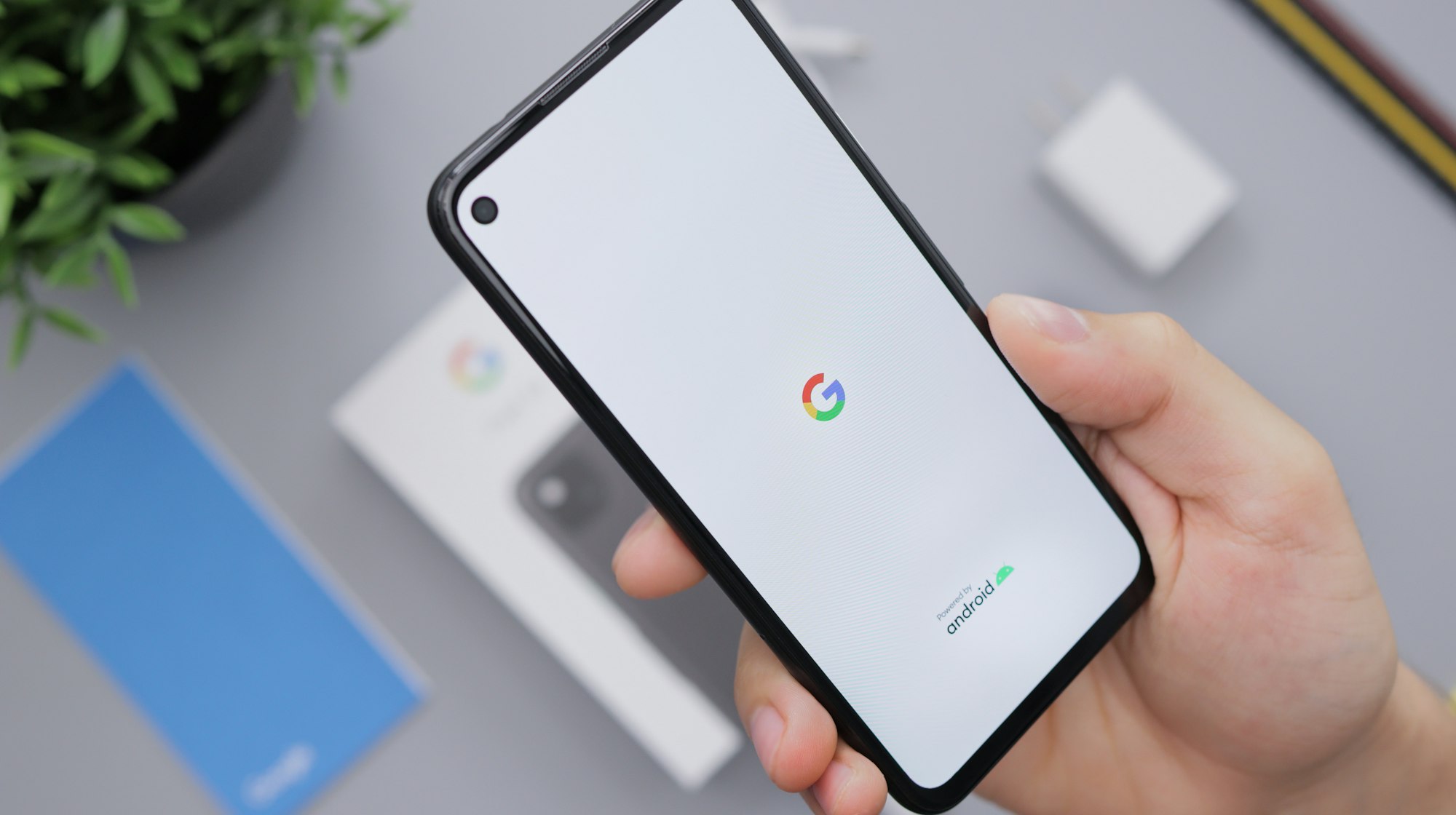
For years, it’s been an open secret in tech: Google’s two major operating systems, Android and ChromeOS, were on a slow path toward convergence. Both systems share a Linux foundation and have grown steadily closer with each release, especially as Android apps became standard on Chromebooks.
Now, after years of speculation, it could be happening sooner than many expected. Android Ecosystem President Sameer Samat confirmed the unification in a recent interview, calling it a significant step forward in how users will interact with their devices. “We're going to be combining ChromeOS and Android into a single platform,” he said.
According to a post by Samat on X, Google has been working on this unification since last year, and it is building the ChromeOS experience on top of Android’s underlying technology to unlock new levels of performance, iterate faster, and make laptop and phone work better together. He referenced a 2024 blog post announcing the move.
This move isn’t just about streamlining engineering or sharing code behind the scenes; it’s a major pivot in how Google wants its ecosystem to work. By building ChromeOS on top of Android’s foundation, Google is laying the groundwork for seamless integration across phones, tablets, and laptops.
But this isn’t just about efficiency, it’s a strategic play. Apple has long dominated the high ground with its unified iOS/macOS ecosystem. Google’s move signals a shift from simply competing in mobile and desktop separately to offering a single, cohesive experience across all screens.
What does this mean for users?
What this means for users is simple: fewer inconsistencies, more continuity. Moving between an Android phone and a Chromebook will feel more like using two parts of the same system, not two separate platforms. For developers, it simplifies app creation across screens. And for Google, it’s a chance to stop spreading its efforts thin and focus on building a stronger, more unified ecosystem.
Existing Chromebooks won’t be left behind. Google says current models will continue receiving updates under its Auto Update Expiration (AUE) policy. Support for schools, businesses, and enterprise deployments will also remain in place during the transition. The first devices with the merged platform will be new Chromebooks, expected in the near future.
Although Google hasn’t given an exact timeline, and Samat’s announcement feels casual, it marks the first real confirmation from Google that full convergence is underway.
The announcement follows the release of Android 16, showcasing Google's new design priorities, with more expressive Material You customisation and improved tablet support, yet another signal that Android is evolving to power a broader range of devices.
 Ogbonda Chivumnovu