The Consumer Electronics Show (CES) 2026 is once again spotlighting a new wave of smart home innovations built to simplify routines, enhance security, and make everyday tasks feel a little more effortless. From AI-driven kitchen assistants to next-gen home robots and offline voice-controlled appliances, this year’s lineup shows just how quickly our homes are becoming more intuitive and adaptive.
With an emphasis on convenience, automation, and user-friendly design, these products reveal how smart living is steadily moving toward deeper integration and more personalised assistance. Below are some of the standout smart home devices turning heads on the CES floor this year.
GE Profile Smart 4-Door French-Door Refrigerator with Kitchen Assistant
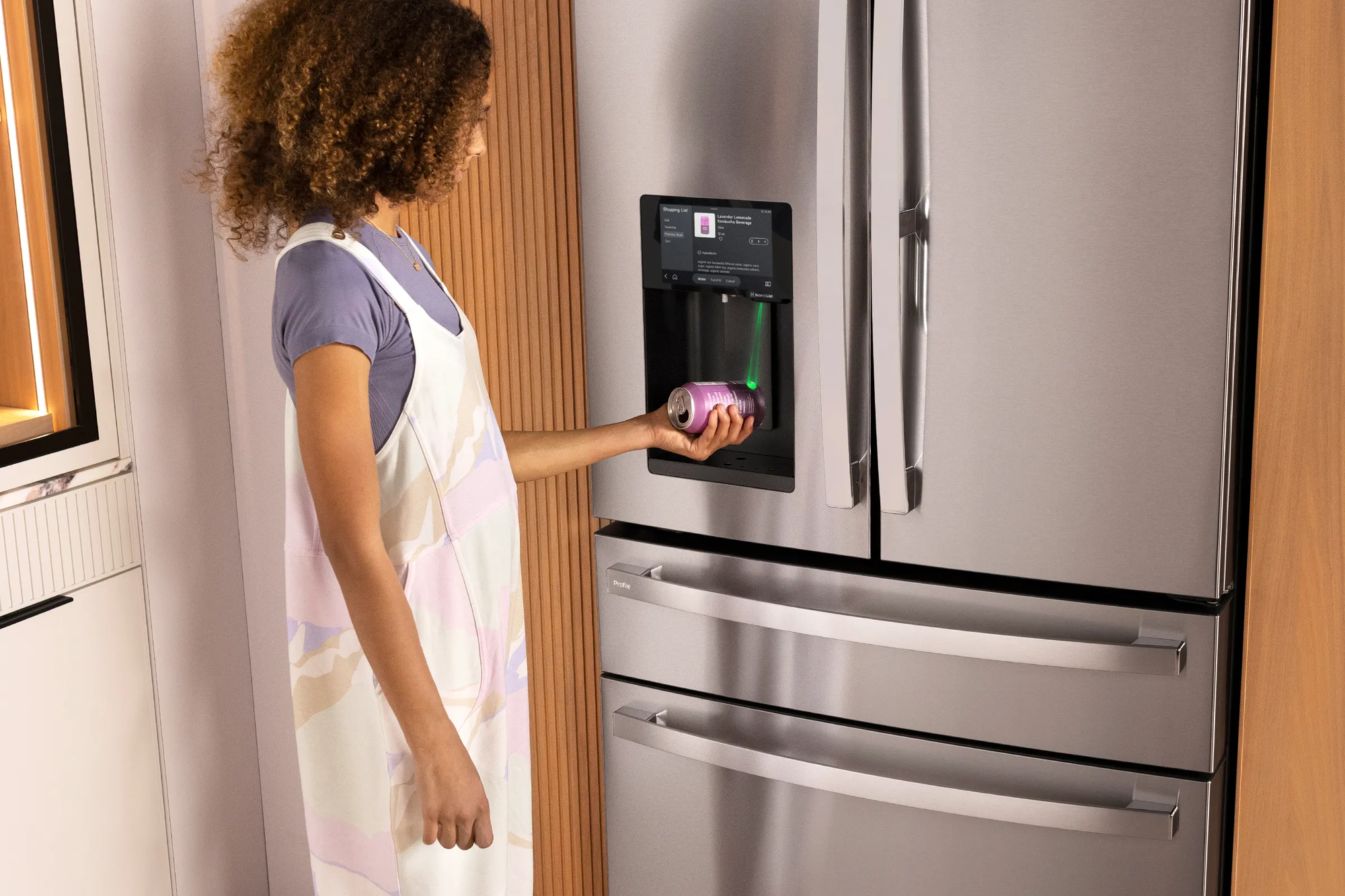
GE Profile kicked off CES 2026 with one of the most ambitious kitchen appliances ever announced: a smart 4-door French-door refrigerator that acts more like a digital sous-chef than a simple food storage unit. The refrigerator introduces Kitchen Assistant, an AI-powered system built to eliminate grocery guesswork, reduce waste, and streamline meal planning.
The star feature is a first-of-its-kind Scan-to-List barcode scanner built directly into the external dispenser. With support for more than four million products, the fridge automatically creates a detailed, shareable shopping list in the SmartHQ app, complete with brand, flavour, and size, simply by scanning items that are running low. Shoppers can sync the list to Instacart for fast delivery or reference it in-store. For items without barcodes, users can add them via voice or text.
GE also introduced FridgeFocus, a camera integrated into the LED light bar that gives real-time snapshots of crisper drawers, helping households avoid overbuying perishables. With AI-powered vision and remote access, anyone can check what’s inside the fridge while shopping.
Additional features include an 8-inch Brilliant Touch Display, voice controls for hands-free commands, precise water dispensing with AutoFill and Precise Fill, curated recipe integrations via OTA updates, a premium stainless-steel design, and full Wi-Fi connectivity.
The refrigerator launches in April 2026 for an MSRP of $4,899, available in standard- and counter-depth options.
Seattle Ultrasonics C-200 Ultrasonic Chef Knife
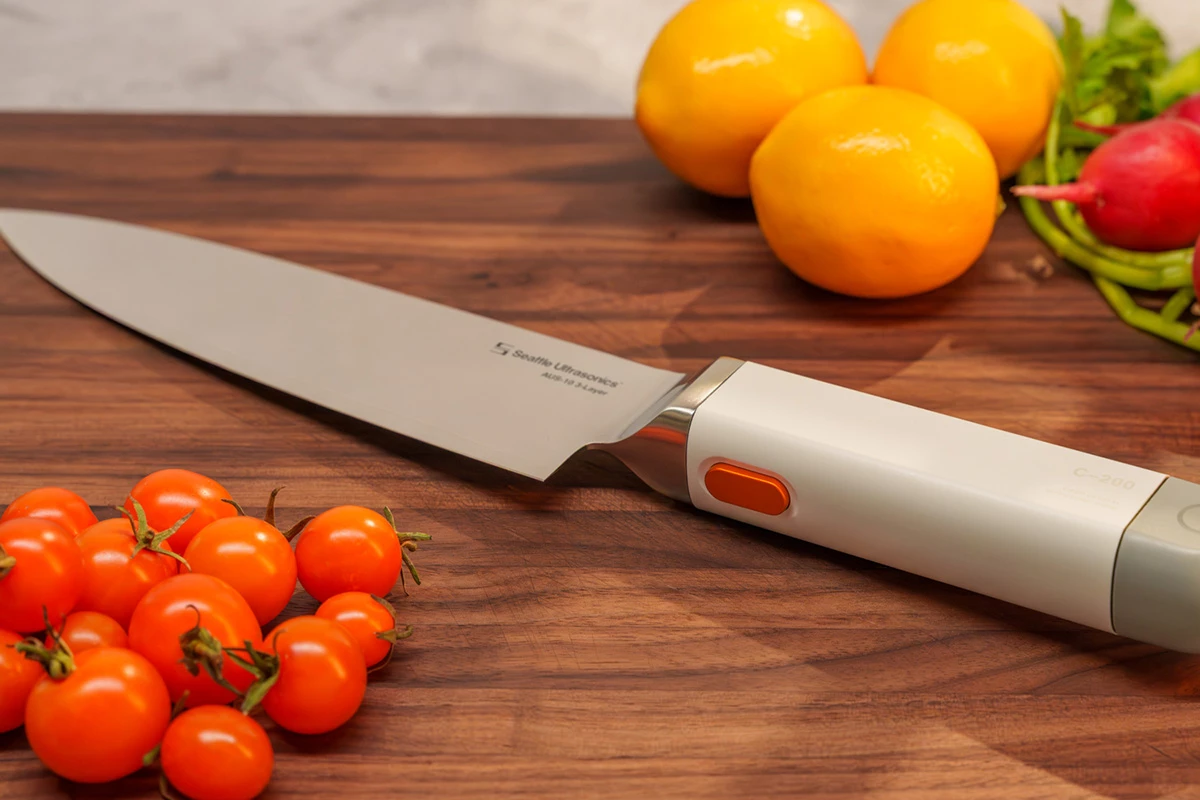
One of the more surprising kitchen gadgets at CES this year is Seattle Ultrasonics’ C-200 UltraSonic Chef’s Knife, a blade designed to vibrate at 30,000 times per second while cutting. The result? Smoother slicing, fewer crumbs sticking to the blade, and significantly less sharpening over time.
Despite its internal tech, the C-200 looks and feels like a traditional eight-inch Japanese steel chef’s knife. Its ultrasonic mechanism moves only 10–20 microns, about a quarter of a grain of salt, making the motion invisible and imperceptible. The only hint of its internal motor is a faint pinging noise when used on wet surfaces, similar to the sound of a ringing wine glass.
After six years in development, the C-200 is the first ultrasonic knife designed for home cooks rather than commercial kitchens. It’s rechargeable via USB-C, includes a removable battery, and is IP65-rated for water resistance.
The first production run ships this month, with a second batch arriving in March. The knife retails for $399, or $499 with a wireless mahogany charging tile.
SwitchBot Onero H1 Household Robot
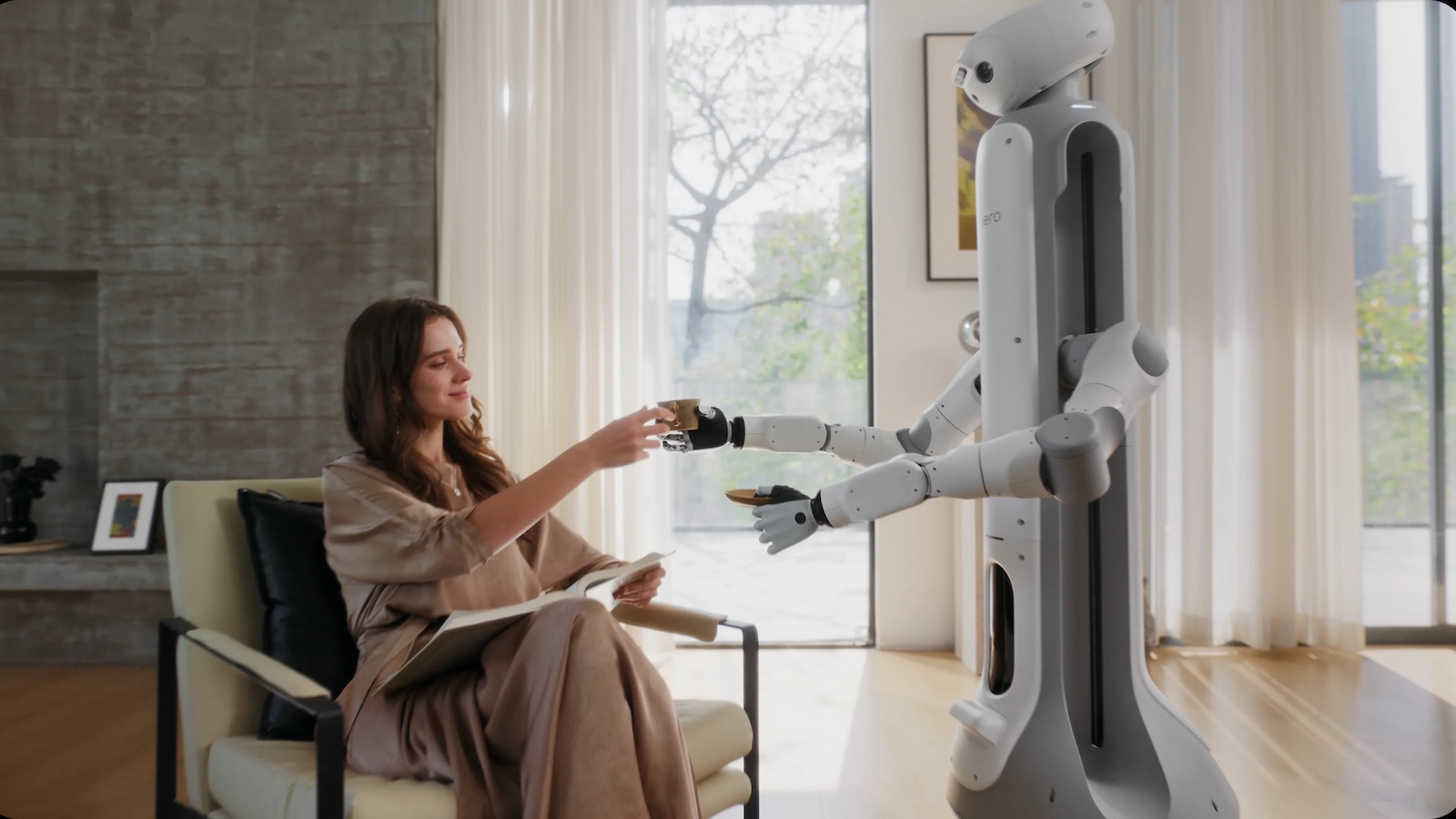
SwitchBot is known for its quirky smart home gadgets, but this year’s centrepiece, the Onero H1 household robot, takes things to a new level. The robot features a humanoid design with arms, a head, and a friendly face, built with 22 degrees of freedom for advanced home interactions.
Powered by the on-device OmniSense VLA model, the H1 can grasp, push, open, and organise objects while learning to adapt to new tasks over time. It’s positioned as the evolution of the K20+ Pro and designed to work alongside SwitchBot’s existing cleaning and automation robots.
SwitchBot will open pre-orders soon through its website, though pricing and an official release date are still under wraps.
SwitchBot Lock Vision Series
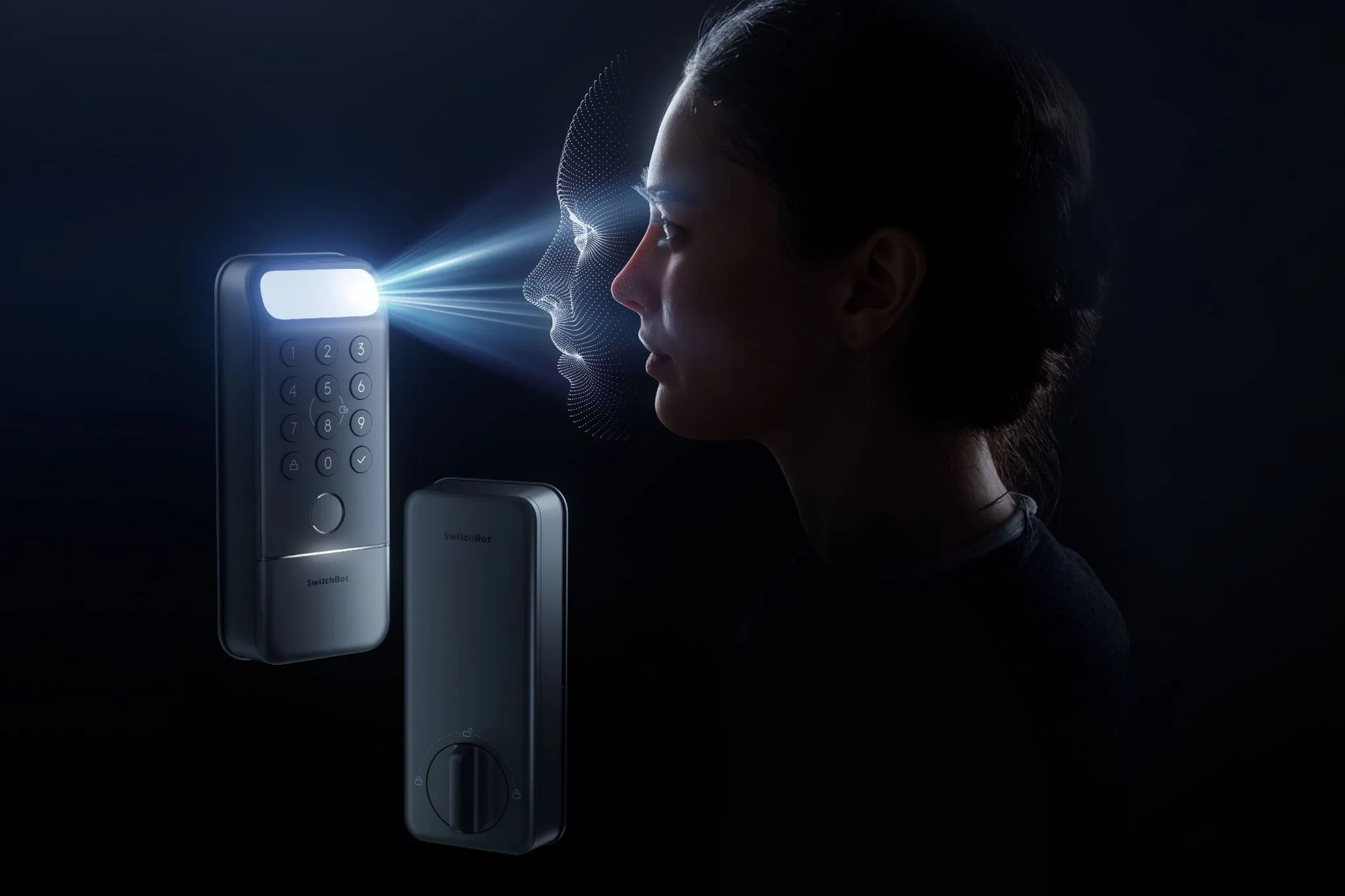
Also debuting this year is the Lock Vision Series, a next-generation deadbolt lock that uses 3D structured-light facial recognition for secure, hands-free entry. With over 2,000 infrared projection points and millimeter-level accuracy, the system promises strong protection against spoofing attempts.
The Lock Vision Pro adds a second biometric layer with palm-vein recognition, offering two advanced ways to authenticate.
Both models support Matter-over-Wi-Fi, enabling hub-free integration with Apple Home and future ecosystems. They also include backup power systems to prevent lockouts during outages.
Alongside the locks and robotics announcements, SwitchBot is showcasing a new set of “Comfort Tech” gadgets, expanding its reach in the smart home category.
Eufy Video Doorbell S4
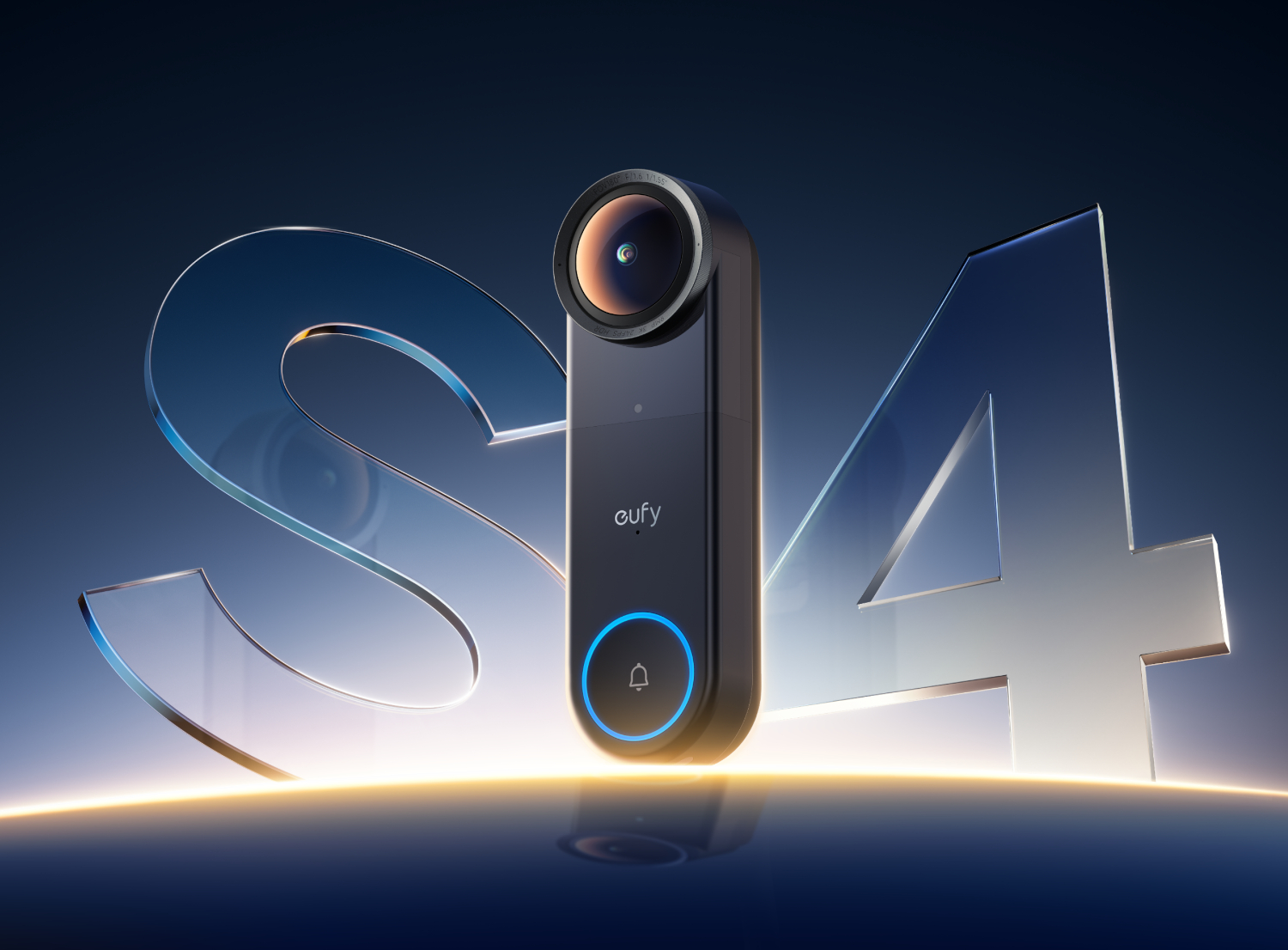
Eufy’s Video Doorbell S4 is designed to solve one of the biggest issues with smart doorbells: poor framing. Thanks to OmniTrack AI, the S4 doesn’t just detect motion; it actively tracks visitors, adjusting zoom to keep them perfectly centred.
With a 180-degree vertical and horizontal field of view, the doorbell can capture an entire doorway, from packages on the ground to tall visitors, in a single shot. A crisp 3K camera ensures clear footage up to 26 feet away.
The Video Doorbell S4 launches in Q1 2026 for $279.99.
Eufy Solar Wall Light Cam S4
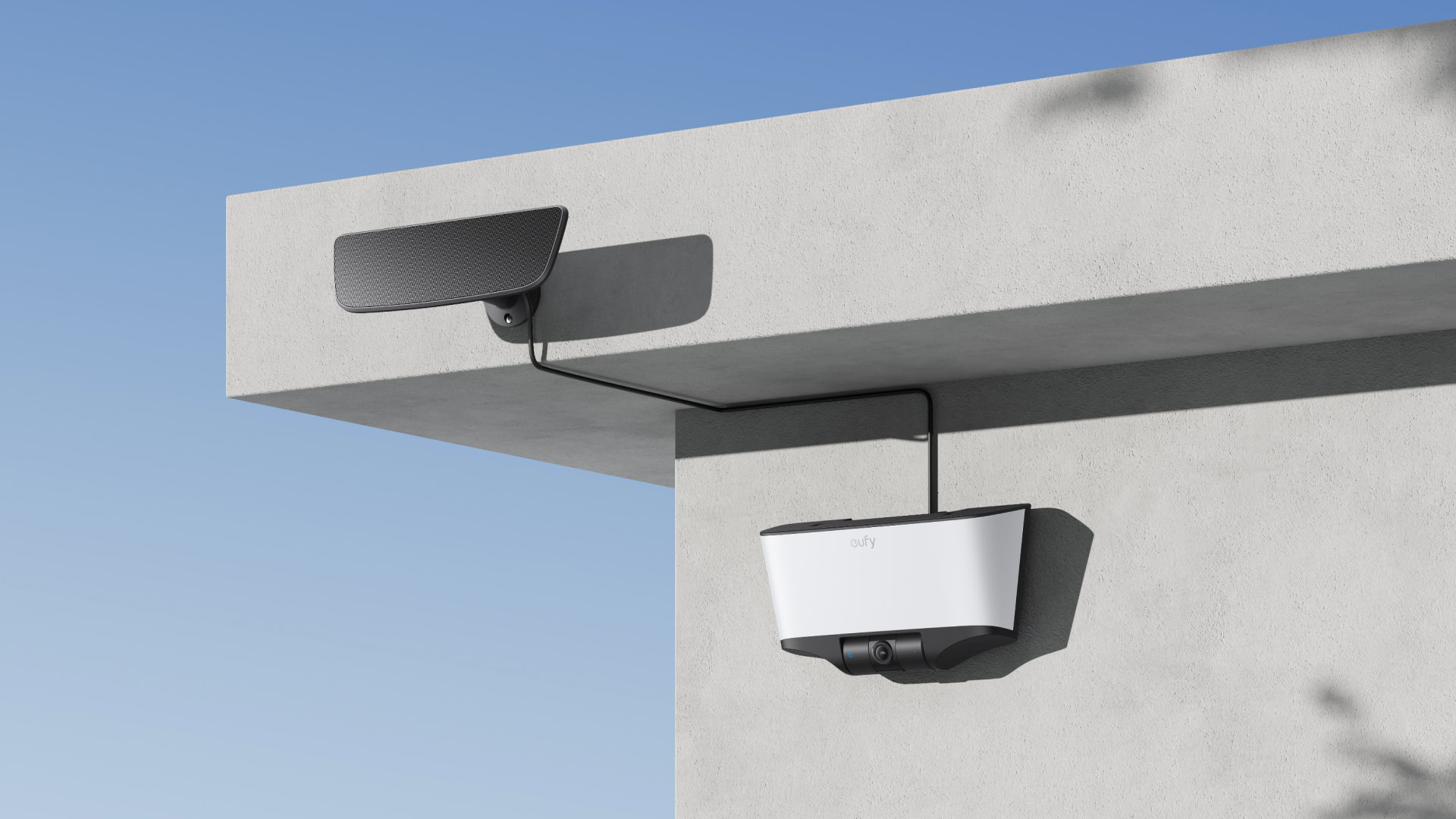
Another strong entry from Eufy is the Solar Wall Light Cam S4, which combines outdoor lighting with advanced security features. It offers 4K colour night vision through an F1.6 lens, helping capture sharper nighttime footage without relying on bright floodlights.
The camera head tilts up to 45 degrees to minimize blind spots, while a detachable 2W solar panel and 10,000mAh battery allow flexible installation without hardwiring.
TP-Link Aireal – AI Smart Home Assistant
Video Credit: TP-Link
Managing network devices and smart home gear can be intimidating, and TP-Link wants to simplify it with Aireal, an AI assistant built directly into its routers and Tapo ecosystem.
Aireal can recommend router placement for optimal coverage, adjust power modes to save energy during quiet periods, summarise repeating notifications, and answer natural-language requests like: “When did someone arrive at the front door?”
It also automatically optimises Wi-Fi performance in the background, no manual tweaking required.
The assistant rolls out in the U.S. first, with broader global availability later in the year. Early compatible devices include the dual-lens Tapo C645D, the 4K solar Tapo C465, and the Tapo C710 floodlight camera showcased at CES.
Emerson SmartVoice Appliances
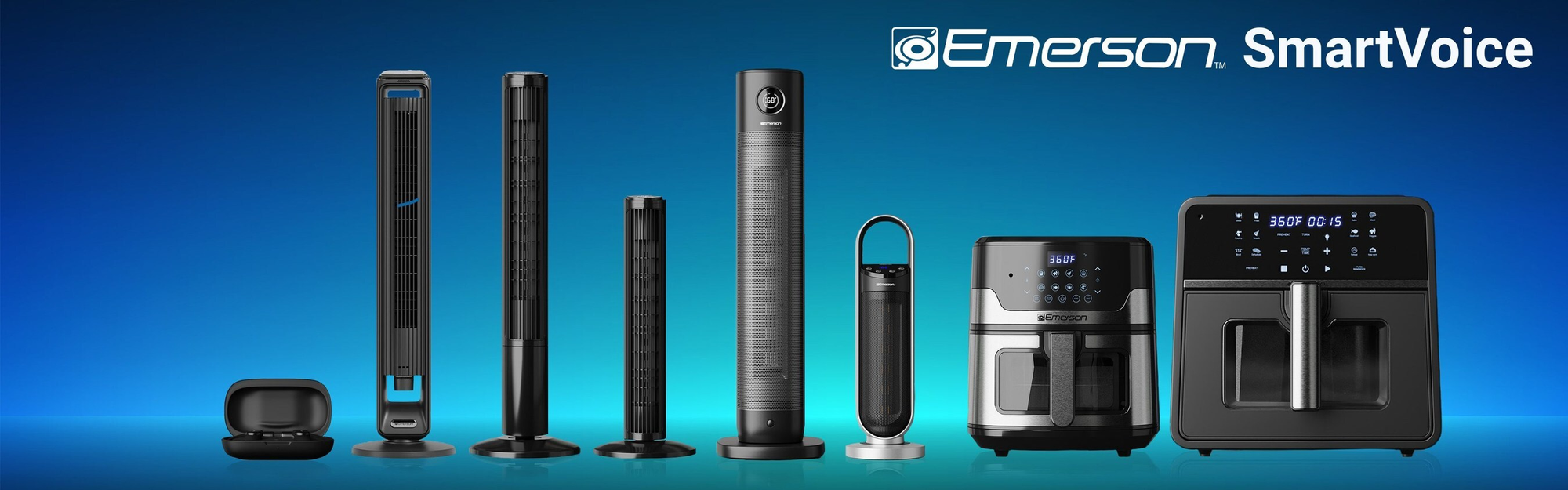
For anyone cautious about cloud-connected smart devices, Emerson’s SmartVoice lineup offers a refreshing alternative: appliances with fully offline voice control. No Wi-Fi, no cloud servers, no smart speakers, everything is processed locally within the device.
Each product responds to its own wake word (“Hey Fan,” “Hey Heater,” “Hey Air Fryer,” etc.) using IAI Smart’s proprietary natural-language processing. This means your data and voice recordings never leave your home.
The lineup includes:
- SmartVoice Air Fryers: 5.3-quart ($129.99) and 10-quart ($169.99) models supporting over 1,000 voice commands and 100+ cooking presets.
- SmartVoice Tower Fans: 29-inch ($89.99), 40-inch ($99.99), and 42-inch ($119.99) units with oscillation, LED touch controls, and an optional aroma diffuser.
- SmartVoice Fan Heaters: 25-inch ($129.99) and 32-inch ($169.99) heaters with multiple modes and built-in safety protections.
- SmartVoice Plugs: Single-outlet ($24.99) and dual-outlet ($29.99–34.99) plugs that support voice-controlled routines and scheduling—all without Wi-Fi.
With this launch, Emerson is testing the waters to see how much demand exists for privacy-first smart appliances, a space that could grow if users embrace the offline approach.
Aqara U400 Smart Lock
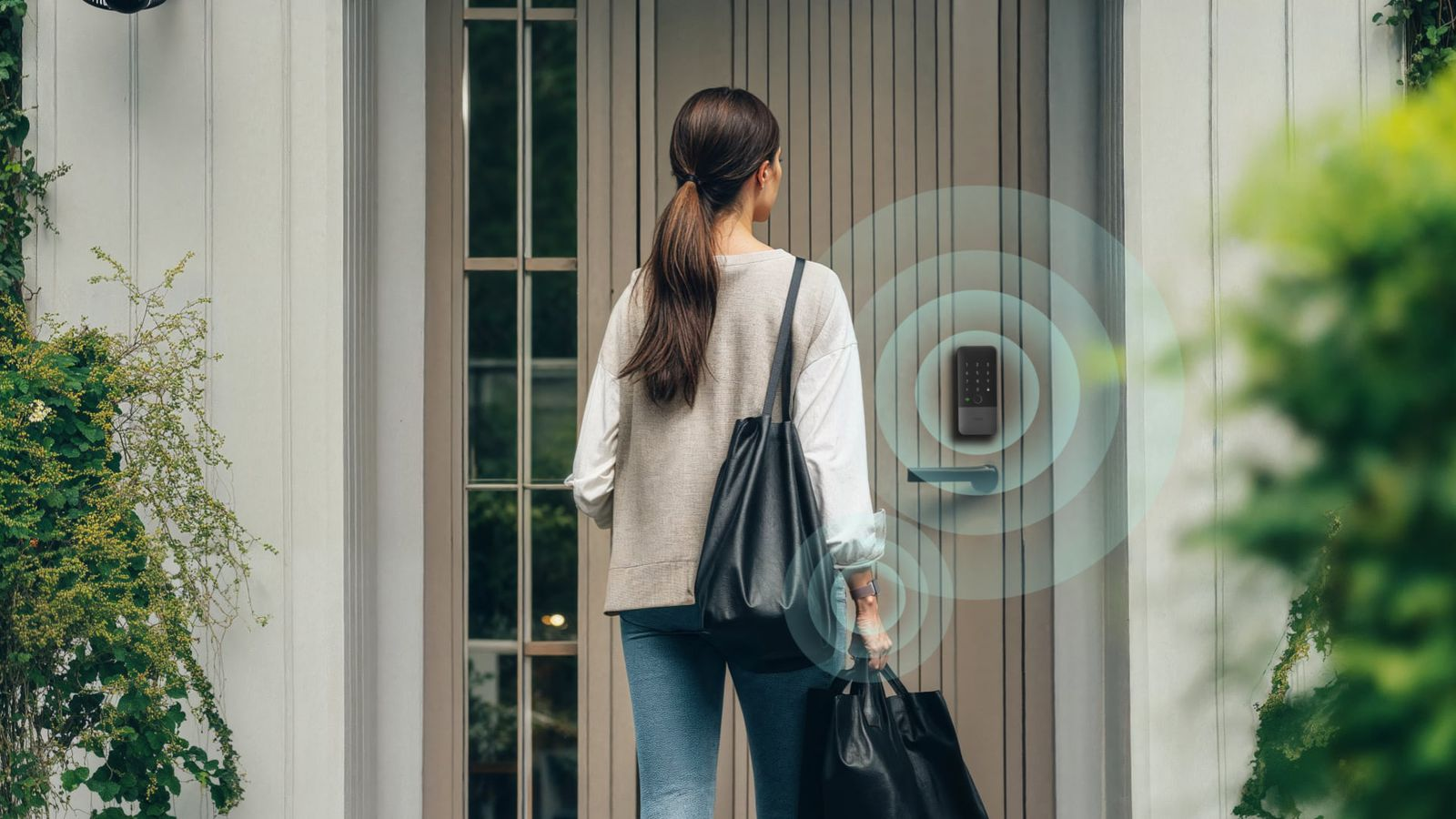
Aqara also unveiled its new U400 smart lock, one of the few models on the market using ultra-wideband (UWB) for truly hands-free unlocking. Instead of tapping your iPhone on the lock, the U400 uses the phone’s UWB chip to detect your exact position and automatically unlock the door as you walk up, accurate enough to know which side of the door you’re on. To avoid accidental triggers, Aqara even lets you set the angle you want the lock to respond to.
Like previous Aqara locks, it still supports multiple access options, including fingerprints, NFC, access codes, physical keys, and Apple Home Key. It’s Matter and Thread-enabled, works with Siri, Apple Home, and the Aqara app, and doesn’t require an Aqara hub if you already have a Matter setup. The lock runs on a rechargeable 4,880 mAh battery rated for up to six months, comes in Silver or Black, and is designed to replace a standard deadbolt with all hardware included.
Conclusion
CES 2026 makes one thing clear: smart home technology is rapidly becoming more adaptive, more intuitive, and more deeply embedded into everyday life. From AI-powered kitchen helpers to offline voice appliances and next-gen home security, this year’s lineup highlights a future where homes respond more naturally to the way we live.
As these devices roll out over the coming months, they’ll bring fresh levels of convenience, efficiency, and personalisation to households everywhere.
 Ejiro Onose