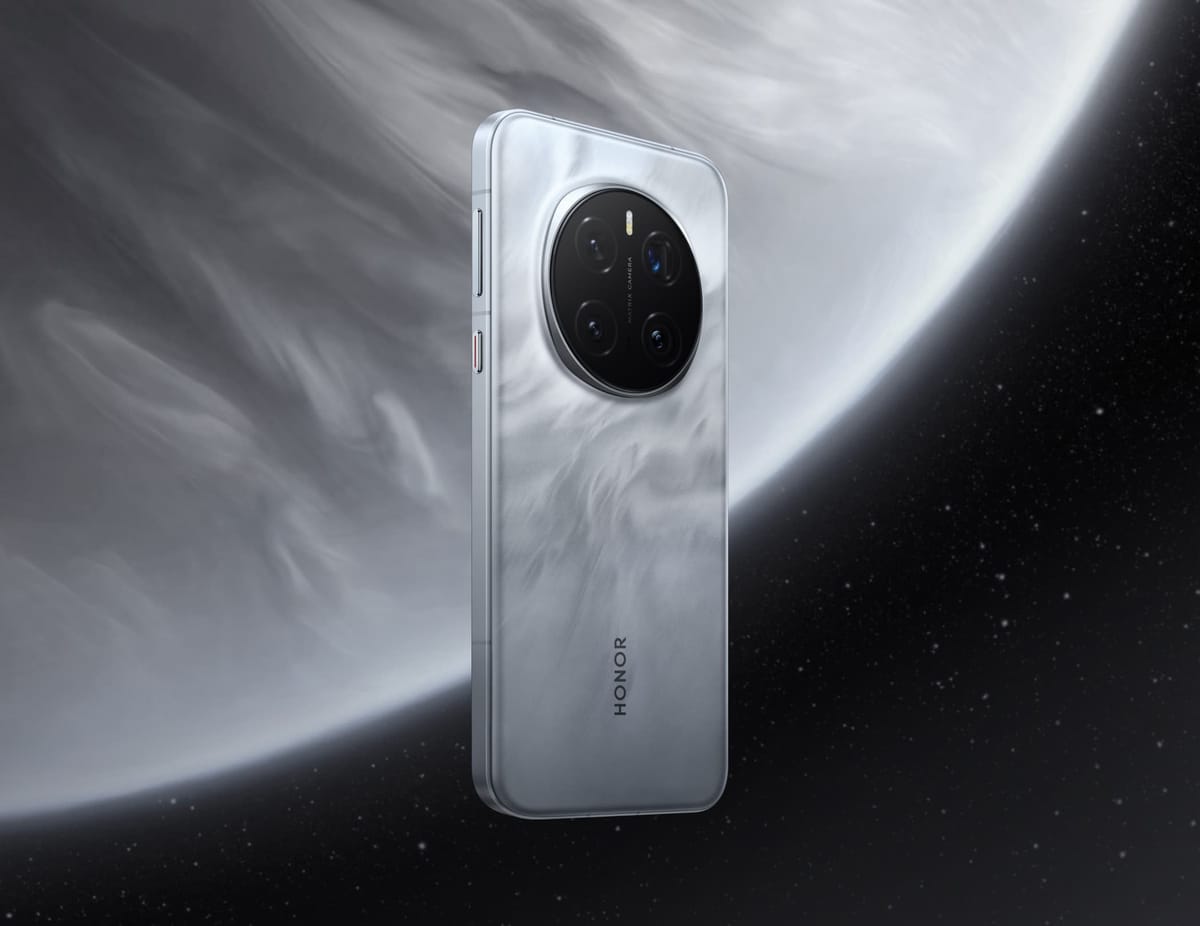
Honor wants to make your next phone feel alive, quite literally. The company has revealed early plans for what it calls a “Robot Phone,” featuring a camera that folds out from the back of the device using a robotic arm. The teaser, shared ahead of a full unveiling at Mobile World Congress in Barcelona next year, shows the camera module extending, swivelling, and even giggling, yes, giggling, as if the phone just came to life.
 Kelechi Edeh
For a brand that’s often danced between innovation and spectacle, this might be Honor’s boldest swing yet. The company describes the concept as a step toward phones that “sense, adapt, and evolve,” a poetic way of saying that AI will play a much deeper role in how the device behaves. It’s also part of a bigger $10 billion investment over the next five years to transition into what Honor calls an “AI device company.”
On paper, the idea isn’t entirely new. We’ve seen creative camera designs before, like the flip-up module on the 2019 Asus Zenfone 6 or the rotating lens on Oppo’s N series. But Honor’s robotic approach feels like a leap into something different, not just for the sake of hardware novelty, but as a symbol of where the smartphone industry is headed: devices that act less like tools and more like companions.
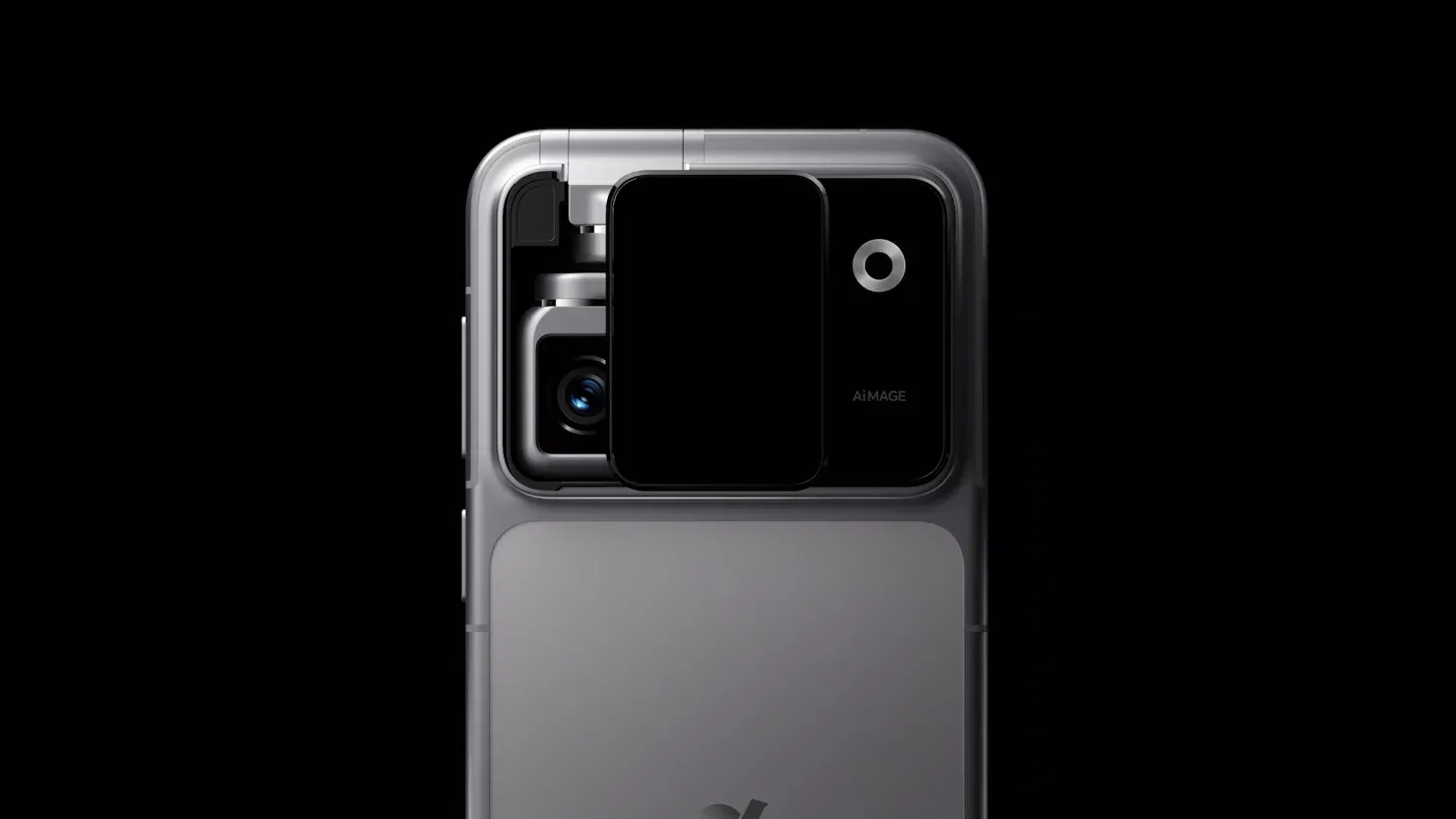
The “Robot Phone,” so far seen only in CGI form, looks like a thick but standard smartphone. The difference is in the chunky camera bump, which hides a mechanical arm capable of moving independently. The concept video shows the camera flipping around to take selfies, adjusting angles for photos, and even appearing to react to its surroundings, a move that feels inspired by gadgets like DJI’s Osmo Pocket gimbal camera.
Of course, this level of mechanical complexity raises some questions. Moving parts have always been a durability risk in smartphones, and past experiments with pop-up cameras have often faded due to wear and manufacturing costs. But if Honor manages to make it reliable, it could set a new benchmark for AI-driven mobile photography, especially if the robotic movement adds real utility beyond the gimmick.
Honor’s teaser also hints at practical AI tools already rolling out across its ecosystem, from smart shopping assistants to photo composition guides and location-based taxi suggestions. The “Robot Phone” feels like an attempt to tie all those elements together, a physical embodiment of the AI brain that’s been quietly evolving inside our devices.
If the vision pans out, Honor’s robotic phone could redefine what “smart” means in smartphones. Whether it ends up as a revolution or just another ambitious concept will depend on how much real-world value that tiny, giggling arm can deliver.
 Kelechi Edeh