After days of tension between the AI industry and Washington, Anthropic is reportedly back in talks with the U.S. government about how its artificial intelligence models can be used by the military. The renewed discussions signal a possible cooling of a dispute that had quickly escalated into one of the most dramatic AI policy clashes in recent months.
According to reports, Anthropic CEO Dario Amodei has resumed negotiations with the U.S. Department of War (the Pentagon). The goal is to reach a new agreement that would govern how the military can access and deploy Anthropic’s AI models, particularly its Claude systems.
If the talks succeed, it could allow the Pentagon to continue using Anthropic’s technology while avoiding a scenario where the company is formally blacklisted as a national security supply-chain risk.
Here is a complete timeline of how the partnership between the Department of War and Anthropic soured:
Feb 27: Anthropic Deadline with the US Govt Elapses
Anthropic had been working with the U.S. government and had even deployed its AI systems inside classified government networks.
But negotiations over a broader contract eventually broke down. Anthropic pushed for specific guardrails around how its AI could be used, particularly opposing two scenarios: mass domestic surveillance of Americans and the deployment of fully autonomous weapons systems. The company argued that current AI technology isn’t reliable enough for fully autonomous weapons and that large-scale AI surveillance could undermine democratic freedoms.
The Pentagon, however, reportedly insisted that any contractor must allow its AI tools to be used for any lawful military purpose, which created a direct conflict with Anthropic’s proposed restrictions. When the two sides couldn’t reconcile those positions, the talks collapsed. Soon after, Defense Secretary Pete Hegseth moved to designate Anthropic as a potential supply-chain risk, dramatically escalating the situation.
“The Terms of Service of Anthropic’s defective altruism will never outweigh the safety, the readiness, or the lives of American troops on the battlefield. Their true objective is unmistakable: to seize veto power over the operational decisions of the United States military. That is unacceptable,” he wrote on X.
This week, Anthropic delivered a master class in arrogance and betrayal as well as a textbook case of how not to do business with the United States Government or the Pentagon.
— Secretary of War Pete Hegseth (@SecWar) February 27, 2026
Our position has never wavered and will never waver: the Department of War must have full, unrestricted…
Feb 28th: OpenAI Steps In
That’s when another major AI player stepped in. OpenAI quickly struck its own agreement with the Pentagon to deploy its AI models within classified networks. The timing of that deal sparked backlash across the tech industry and among users, with some critics accusing OpenAI of rushing into the partnership just as Anthropic was being pushed out.
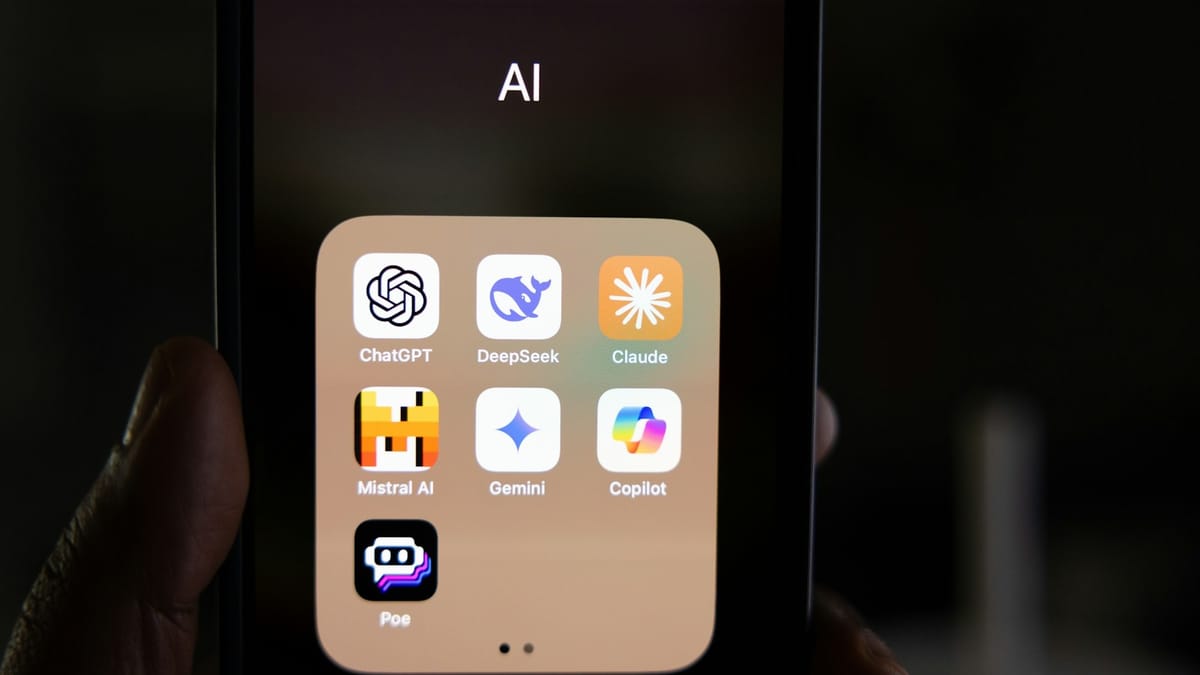
The fallout spilt beyond policy circles and into the consumer tech world. ChatGPT reportedly saw a spike in app uninstallations in the U.S., while Anthropic’s Claude surged in popularity and even climbed to the top of Apple’s App Store download charts. The controversy effectively turned what began as a contract dispute into a broader debate about AI ethics, national security, and the role of tech companies in military systems.
Tonight, we reached an agreement with the Department of War to deploy our models in their classified network.
— Sam Altman (@sama) February 28, 2026
In all of our interactions, the DoW displayed a deep respect for safety and a desire to partner to achieve the best possible outcome.
AI safety and wide distribution of…
March 5: Anthropic and the Pentagon quietly resume talks
Now, with negotiations quietly restarting, the situation appears to be entering a new phase. A compromise could restore Anthropic’s position within government AI infrastructure while easing tensions across the industry. At the same time, it may complicate the competitive landscape between Anthropic and OpenAI, both of which are increasingly vying to become the primary AI provider for government and defence operations.
 Louis Eriakha