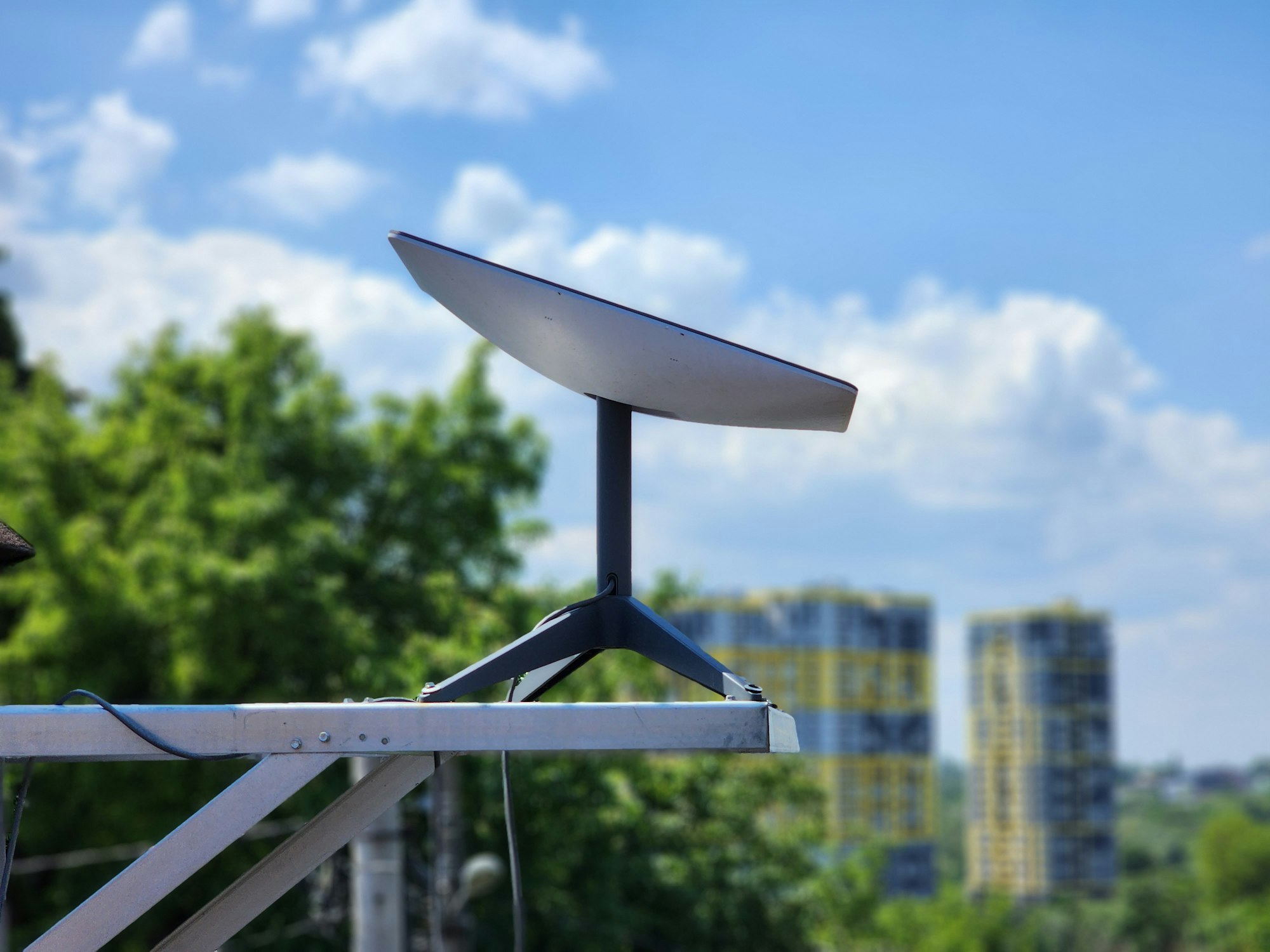
You’ve probably had that moment when your phone loses signal right when you need it most. The map freezes, your message won’t send, and you’re left staring at “no service.” For billions of people, that isn’t an occasional glitch but everyday life.
Mobile carriers have spent decades chasing coverage, building towers to fix the issue, and promising wider reach. Yet vast parts of the world remain disconnected. Now, SpaceX’s Starlink wants to change that from space, not the ground.
Its new Direct to Cell network turns satellites into cell towers and already delivers LTE coverage across five continents. It’s being called the world’s largest 4G network, one that reaches oceans, deserts, and mountain ranges where ordinary service doesn’t exist. Unlike traditional satellite phones, users don’t need bulky equipment. A regular LTE device connects automatically.
That kind of access could reshape what we think of as “coverage,” but it also raises questions. If satellites can reach anywhere, what happens to the business model of carriers that spent decades building physical infrastructure? T-Mobile, Optus, and Rogers have already partnered with Starlink, but that partnership may come with a price: dependence on a private company that controls the sky.
 Loy Okezie
There’s also the question of cost. Starlink’s reach is impressive, but its service isn’t exactly affordable, and the devices that support it still fall outside what most low-income users can afford. Global connectivity sounds democratic, yet access may still favor those who can pay.
Still, the technology shows what’s possible when coverage is no longer tied to geography. During recent disasters in the United States, more than 1.5 million people sent emergency messages through Starlink after local networks went down. It’s proof that redundancy in communication can save lives.
Starlink is already expanding beyond phones. Its satellites connect cargo ships, energy grids, and remote farms through the Internet of Things (IoT), quietly weaving itself into the infrastructure of daily life. As newer satellites roll out, the line between Earth and orbit keeps getting thinner.
Overall, Starlink’s biggest achievement isn’t just global reach. It’s changing who controls access to communication, and that shift will matter long after the signal goes through.
 Ogbonda Chivumnovu