



In 2026, AI video generation is now a cornerstone of modern production, used by marketers and creators alike to move from concept to final cut with unprecedented speed. Rather than replacing the human element, these tools act as digital collaborators that dismantle traditional technical barriers.
The real challenge today isn't finding a tool that can generate video, it’s finding one that actually fits into your specific creative ecosystem.
This guide explores the capabilities that matter most when using AI video generation effectively.
AI Video Generation as a Creative Workflow
At its core, AI video generation transforms concepts into visual output with minimal manual production. A creator might begin with a written idea, a reference image, or a short clip and quickly develop it into a finished video.
Common applications now include:
- Rapid prototyping of creative ideas
- Short-form social media content
- Marketing variations for testing
- Educational explainers
- Visual storytelling without large production crews
Rather than eliminating creative decision-making, AI shifts effort toward directing, refining, and iterating.
Tools such as Loova illustrate this shift by combining multiple generation methods within a single environment, allowing users to move between formats without rebuilding projects. This reflects a broader industry trend toward integrated creation rather than fragmented tooling.
Input Flexibility Expands Creative Starting Points
One of the biggest advantages of AI video generation is the freedom to begin anywhere.
Creators are no longer limited to filming footage before editing. A project can start from:
- Text-to-video for turning scripts into scenes
- Image-to-video for animating visual concepts
- Video-to-video for transforming existing material
- Mixed inputs that combine several sources
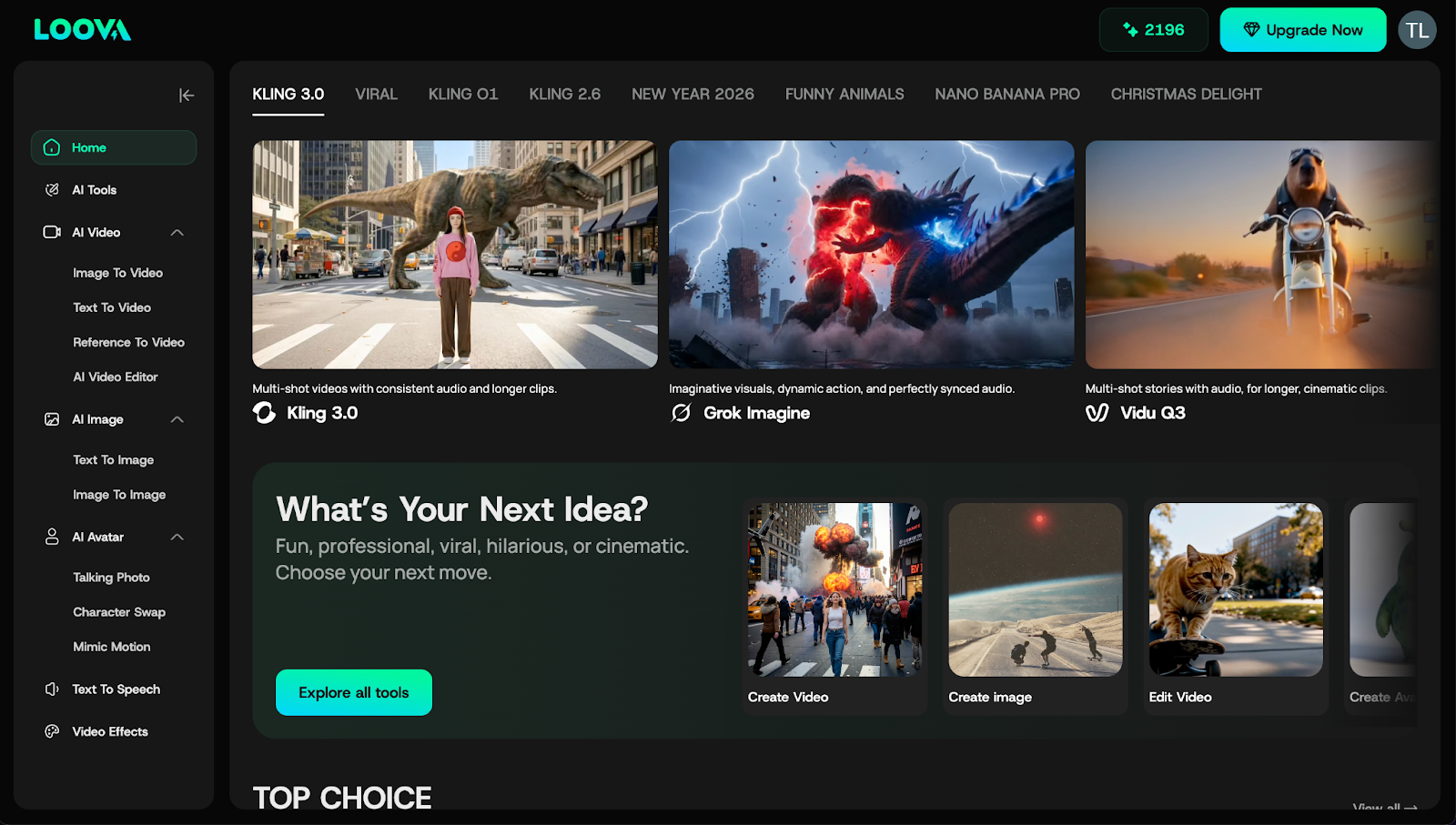
This flexibility encourages experimentation. A marketing team, for example, might test multiple visual directions before committing to a campaign, while independent creators can explore styles that would otherwise require expensive production.
Platforms like Runway and VEO 3.1 also support multi-input workflows, signaling that adaptability is becoming a baseline expectation across the industry.
Motion Quality Shapes Viewer Perception
As AI-generated video becomes more common, audiences have grown more sensitive to motion realism. Smooth movement, believable pacing, and environmental consistency all influence whether a video feels immersive.
Newer systems increasingly treat motion as a controllable element rather than a preset effect. Some tools allow creators to reference movement from existing footage and apply it across different visuals, supporting consistency without repeated filming.
This approach is particularly valuable for short-form platforms, where dynamic visuals often correlate with viewer retention.
The broader takeaway is clear: AI video generation is evolving from static scene creation toward more physically coherent storytelling.
Automation vs Creative Control
AI tools typically lean toward either automation or manual control, and understanding this spectrum is essential when choosing a platform.
Automation-focused systems accelerate production by generating scenes quickly. They are useful for high-volume needs but may produce outputs that feel similar.
Control-oriented platforms offer deeper editing capabilities, enabling creators to refine style, pacing, and composition, though often with a steeper learning curve.
Many teams benefit from a balance between the two. Automation reduces production time, while editable outputs help maintain brand identity and creative intent.
For example:
- VEO 3.1 emphasizes automated scene construction
- Runway provides granular creative adjustments
- Integrated platforms increasingly aim to support fast generation while preserving room for refinement
AI Video Generation Enables Scalable Production
Perhaps the most significant shift is how AI supports scale.
The challenge is no longer producing a single video, it is producing many.
Modern teams frequently require:
- Multiple variations of one concept
- Localized or platform-specific edits
- Rapid A/B testing
- Continuous iteration
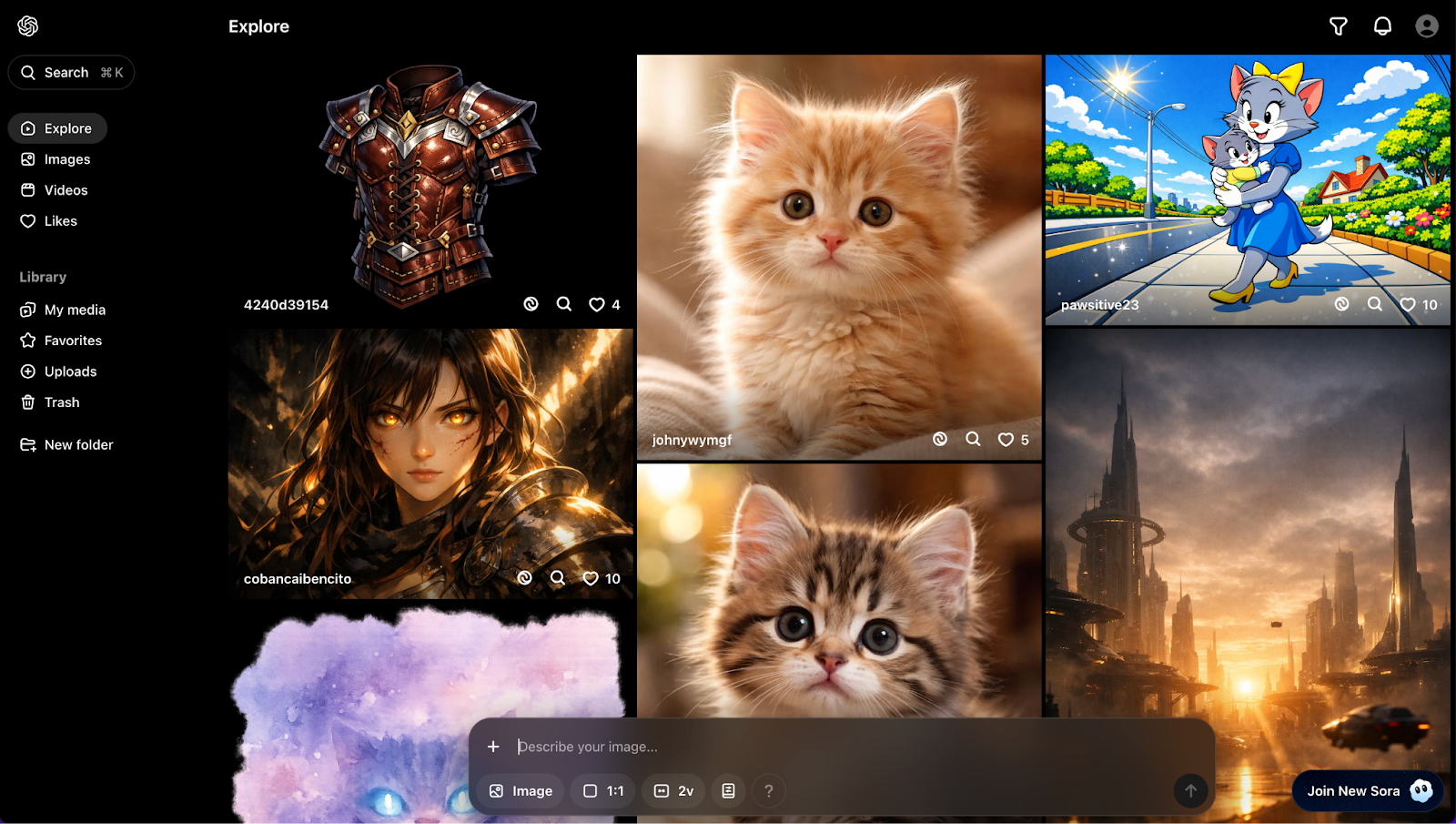
AI video generation makes these workflows more achievable by reducing the time between versions. Small prompt changes or input adjustments can result in entirely new assets.
Enterprise platforms such as Sora demonstrate strong large-scale capabilities, though accessibility may vary depending on resources. Meanwhile, integrated tools are increasingly designed around iterative creation rather than one-off outputs.
This signals a transition from experimentation toward operational use.
Speed Influences Relevance
In digital media, timing matters. Trends evolve quickly, and the ability to respond within hours instead of days can significantly affect reach.
Optimized AI video tools help shorten production cycles, enabling creators to participate in conversations while they are still relevant.
Reliability is equally important. Consistent results allow teams to plan workflows with greater confidence, whereas tools that require frequent regeneration can disrupt creative momentum.
When evaluating AI video generation platforms, dependable performance often outweighs occasional visual breakthroughs.
Lower Technical Barriers Encourage Adoption
Another reason AI video generation continues to expand is its accessibility. Many platforms are designed so users can produce usable results without advanced editing knowledge.
Beginner-friendly tools reduce friction, making video creation possible for individuals and small teams that may not have traditional production experience. At the same time, platforms that preserve creative flexibility support long-term growth as users become more sophisticated.
Ease of use is no longer just a convenience, it directly influences whether a tool becomes part of a consistent workflow.
Choosing Tools Based on Real Use Cases
AI video generators are no longer interchangeable. Each tends to support different production priorities.
- VEO 3.1 is often associated with narrative automation
- Runway encourages creative experimentation
- Synthesia remains a strong option for avatar-led communication
- Sora focuses on large-scale production environments
The best choice ultimately depends on how a team creates content, not just what a tool claims to do.
Conclusion
AI video generation has entered a practical, mature stage. Its value now lies less in spectacle and more in its ability to support real creative workflows.
Creators and teams who evaluate platforms through the lens of usability, scalability, and adaptability are better positioned to build sustainable production systems and avoid unnecessary switching costs.
The most effective AI video tool is not simply the most advanced, it is the one that aligns with how ideas are developed, refined, and shared.


