



A solar generator gives you freedom from grid outages and noisy gas engines—but only if it’s properly maintained. Keeping your solar-powered backup system in top shape ensures consistent performance, longer lifespan, and maximum return on your investment.
Why Maintenance Matters
A solar generator might look simple—just panels, batteries, and an inverter—but every component works together under varying conditions. Dust on panels, loose cables, or extreme temperatures can quietly cut your system’s efficiency over time.
Regular maintenance keeps everything running smoothly. It prevents energy loss, protects sensitive electronics, and ensures your system is ready when emergencies strike.
Think of maintenance as an insurance policy for your power independence: a few minutes of care today could save hours of frustration later.
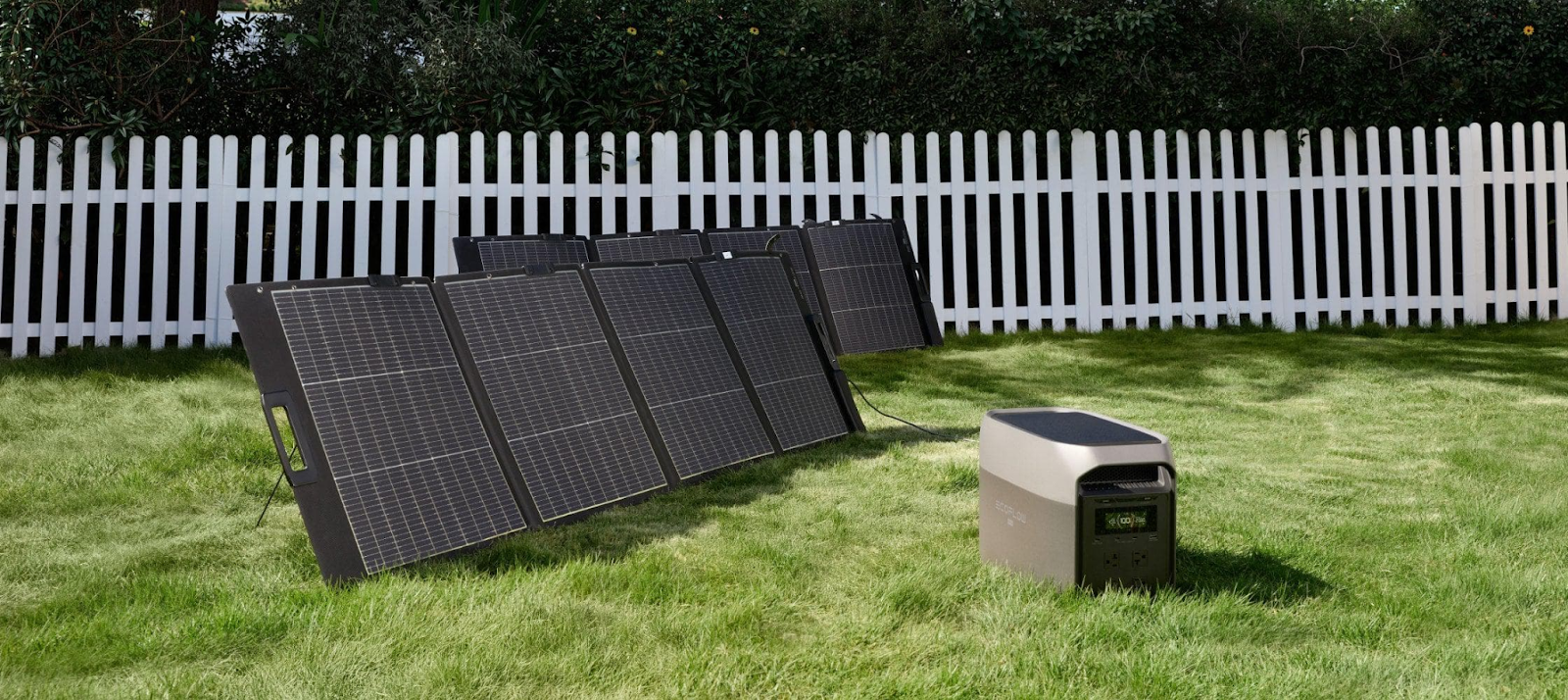
1. Keep Your Solar Panels Clean and Clear
Your panels are your system’s fuel source. Any obstruction—dust, pollen, bird droppings, snow—can block sunlight and reduce energy production by up to 25%.
Simple cleaning routine:
- Turn off the system or disconnect the solar input before cleaning.
- Use a soft brush or microfiber cloth with water. Avoid harsh detergents or pressure washers.
- Clean in the morning or evening when panels are cool to prevent thermal shock.
- Check for shade—growing trees or nearby structures can change light exposure over time.
If you live in a dusty, coastal, or snowy area, clean panels more frequently. For most regions, once every 2–3 months keeps a solar generator working at peak efficiency.
2. Inspect and Protect Wiring Connections
Loose, frayed, or corroded cables are a common cause of performance issues in solar generators. Every few months:
- Inspect all connections between panels, charge controllers, batteries, and inverters.
- Look for cracks in insulation, exposed copper, or rust on terminals.
- Apply dielectric grease or protective spray to metal connectors to reduce corrosion.
- Keep cables neat and elevated where possible—avoid dragging on the ground or across sharp surfaces.
Strong connections ensure consistent energy flow and prevent voltage drops that waste precious solar input.
3. Check Battery Health Regularly
Your battery is the heart of your solar generator, storing the energy that keeps your home or devices running at night. Modern systems often use lithium-ion or LiFePO₄ batteries that require minimal maintenance, but periodic checks still matter.
Best practices:
- Keep batteries in a cool, dry, and ventilated area (ideally between 50°F–80°F / 10°C–27°C).
- Avoid full discharges; try not to drop below 10–20% capacity unless absolutely necessary.
- If your generator won’t be used for weeks, charge it to around 60–70% and store it unplugged.
- Every 3–6 months, recharge to prevent deep discharge or capacity loss.
Excessive heat or deep cycling can shorten battery life dramatically. A properly cared-for LiFePO₄ battery can easily exceed 3,000–4,000 charge cycles—enough for nearly a decade of use.
4. Monitor Solar Input and Output Performance
Many solar generators feature built-in screens or mobile apps that display real-time solar input (W) and power output (W/Wh). Monitoring this data helps spot early signs of inefficiency.
Look for:
- Lower than usual solar input: could mean dirty panels, poor sunlight, or loose connections.
- Fluctuating output: may indicate inverter or cable issues.
- Faster-than-normal discharge: possibly a parasitic load or degraded battery.
Keep a log of daily generation and consumption patterns. If output steadily drops despite sunny weather, it’s time for inspection or professional service.
5. Maintain the Charge Controller and Inverter
The charge controller manages energy flow from panels to the battery, while the inverter converts stored DC power to usable AC electricity. These components are vital for safety and efficiency.
Maintenance checklist:
- Ensure the cooling vents on both units are clear and dust-free.
- Listen for unusual fan noise or overheating during use.
- Check firmware updates if your system offers app connectivity.
- Verify all indicator lights are functioning properly.
Even small issues here—like a clogged vent or loose fuse—can reduce total charging efficiency or trigger system faults.
6. Protect Against Weather and Environmental Damage
A solar generator is designed to handle outdoor conditions, but long-term exposure to the elements can still cause wear.
- Rain and humidity: Keep connectors covered and use waterproof MC4 fittings.
- Extreme heat: Place panels where airflow can dissipate heat; avoid dark rooftops that trap warmth.
- Cold and snow: Clear panels gently with a soft brush; never scrape frozen surfaces.
- Wind and storms: Anchor panels securely, check mounting brackets after severe weather.
For portable setups, store your generator indoors when not in use. Even water-resistant casings benefit from shelter and consistent temperature.
7. Optimize Seasonal Positioning
The sun’s angle changes with the seasons, affecting your solar harvest. A few small adjustments make a big difference:
- In summer, lower the tilt angle (closer to horizontal).
- In winter, increase the tilt angle to catch the lower sun.
- Reposition portable panels every 1–2 hours for maximum exposure if feasible.
8. Troubleshooting Common Issues
Even with good maintenance, problems can happen. Here’s how to respond safely:
If the issue persists, contact customer support—don’t open the unit yourself, as it may void warranty or cause damage.
9. Sustainable Habits Extend System Life
Maintenance isn’t just about cleaning; it’s about smart habits. Practice these to extend your system’s lifespan:
- Avoid deep discharges and frequent 0–100% cycles.
- Use devices efficiently—LED lighting, DC appliances, and energy-saving settings reduce strain.
- Keep track of temperature and humidity in your storage area.
- Rotate between solar and wall charging occasionally to balance system wear.
Conclusion
Maintaining your solar generator isn’t complicated—it’s mostly about consistency, awareness, and a little bit of care. Clean panels, tight cables, and cool batteries will keep your system running smoothly from season to season.


