



In early 2021, Wesley**(not his real name) bought a small amount of Ethereum (ETH). He had been observing the crypto market and noticed it was becoming more than just another digital asset. He did not have a lot of cash lying around, but he had some savings and a hunch that Ethereum could become the foundation of decentralized finance, smart contracts, and NFTs.
Over the next several months, Ethereum’s price climbed—though not without frightening drops. Some days, the price fell by 20% or more in a single session. Many of his friends sold in panic, but Wesley held on.
“I knew what I bought. I understood the technology behind it. I wasn’t trading emotions—I was investing in the future,” he told Techloy in a recent interview.
That decision, along with others like it, helped his crypto portfolio grow from about $300 in early capital to roughly $4,000 over a few years. The journey was far from smooth. At one point, his portfolio dropped by nearly 25% during a market downturn. He also lost around $200 on smaller projects that failed or never gained traction.
Even with these setbacks, Wesley stayed patient and consistent. What made the real difference was not sudden luck, but the simple strategies he followed—and refined—over time.
Start With Research You Can Understand
The first thing Wesley did, long before investing any money, was learning. He spent time reading about Bitcoin, Ethereum, and what blockchain really was about. He watched videos, joined Telegram and WhatsApp crypto groups, and read articles slowly to avoid confusion. “If you cannot explain to your cousin what a coin does, then you should not buy it yet,” he said.
Research helped him understand what he was investing in, not just what the price chart looked like. He avoided coins that had no clear use case or technology behind them. Before he bought any coin, he asked himself; What problem does this project solve? Who is building it? Do people use it now or is it only a promise?
Because he did research first, he did not panic when prices fell. He knew why he bought the coins and what the project was trying to achieve.
Diversify With a Mix of Strong Assets
Wesley also knew that managing risk required diversification. He didn’t put all his money into one coin. Instead, he divided his portfolio into parts.
He held long-term foundational assets like Bitcoin and Ethereum—networks widely trusted across the world. He also invested in growth tokens tied to real use cases such as decentralized finance and blockchain infrastructure. A smaller portion of his portfolio went into emerging projects that showed promise but carried higher risk.
“If one coin goes down badly, the others can balance the loss. I never put everything in one basket,” he said.
This approach helped stabilize his portfolio and made it easier for him to stay calm during market volatility.
 David Adubiina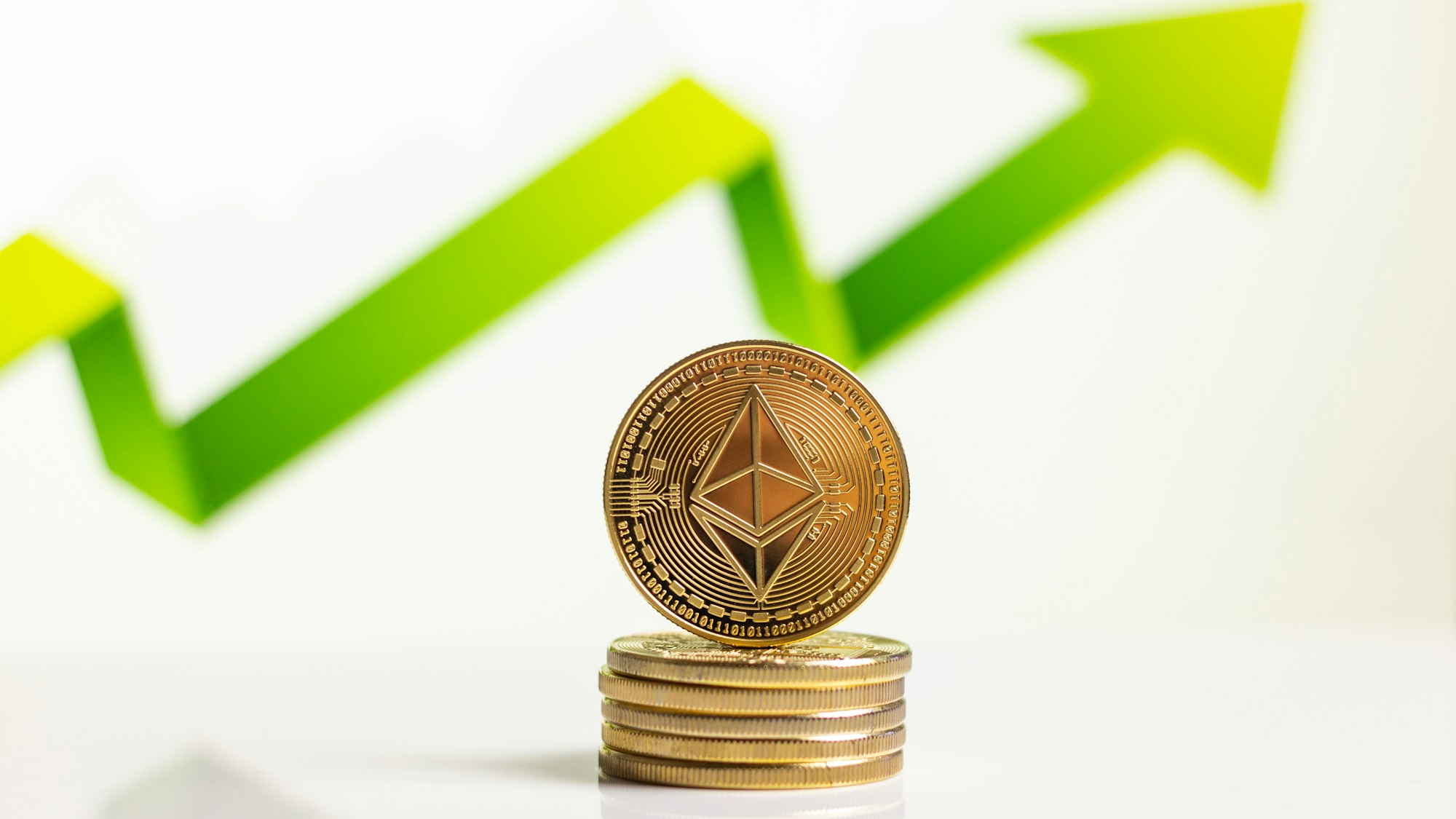
Avoid Emotional Decisions, Sleep on It Before You Act
At one point, Ethereum’s price dropped by about 25% overnight. Wesley’s phone filled with “sell now” messages from friends and social media. He felt the fear—but remembered his rule: never make decisions based on emotion.
Instead of selling, he turned off notifications, went to sleep, and reviewed his research the next day. By morning, the price had partially recovered, and his confidence returned. The fundamentals of Ethereum—its technology and adoption—had not changed.
“I learned early that panic sells become regrets later,” he said.
Reinvest Rewards and Compounding Wins

One of Wesley’s key strategies was not cashing out all his early gains. Instead, he kept part of his profits in crypto and used them to buy strong assets during market dips—a strategy known as reinvesting or compounding gains.
For example, after selling a small portion of his Ethereum gains, he used that money to buy Solana during a downturn. This allowed him to increase exposure to solid projects at lower prices.
It required discipline, but over time, this approach helped grow his portfolio more than selling everything early and waiting on the sidelines.
Stay Informed But Avoid Noise
Crypto moves fast. Every minute brings a new tweet, rumour, or price prediction. Wesley learned quickly that not everything online is worth reacting to.
Some messages are designed to trigger fear or push people toward quick profits. If something sounded too good to be true, he learned to treat it with caution.
Instead, he focused on a few trusted sources: official project channels, developer updates, and reputable crypto news outlets. He avoided random “pump” groups and unknown influencers, which helped him stay focused on long-term value rather than short-term noise.
 Partner Content
Review and Adjust, But Stick to Core Principles
Years into his journey, Wesley says building a strong crypto portfolio is an ongoing process. Every few months, he reviews his holdings and asks simple questions: Is this project still active? Has its use case changed? Am I still confident in its long-term value?
If a project loses direction, developers stop shipping updates, or the community becomes inactive, he may reduce his position—but never in a rush.
“Making changes is okay. Selling without thinking is not,” he said.
This disciplined approach—reviewing calmly rather than reacting emotionally—helped him cut weaker assets while protecting the strongest parts of his portfolio.


