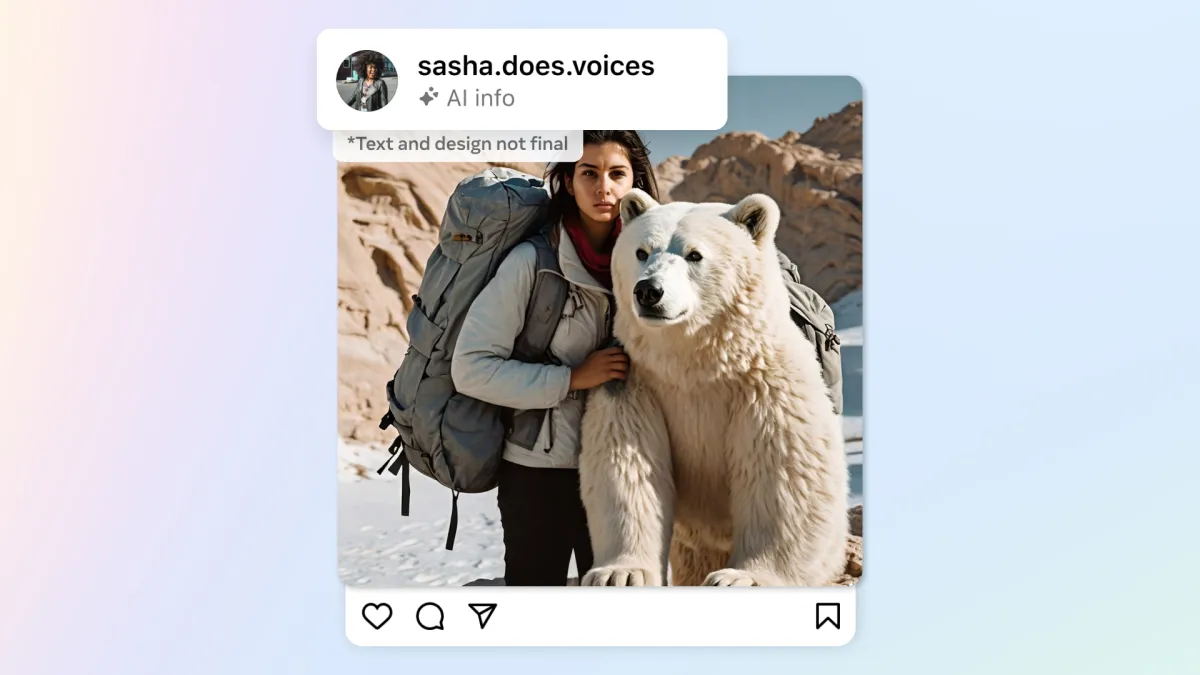
There’s a specific kind of frustration creators know too well, watching a video they spent hours making suddenly blow up on someone else’s page while the original barely gains traction. Someone else gets the likes, the views, the followers, and sometimes even the brand deals, all because they reposted a clip that wasn’t theirs. And now, with AI able to mimic voices, styles, or entire scripts, creators aren’t just worrying about copycats anymore; they’re worrying about being replicated.
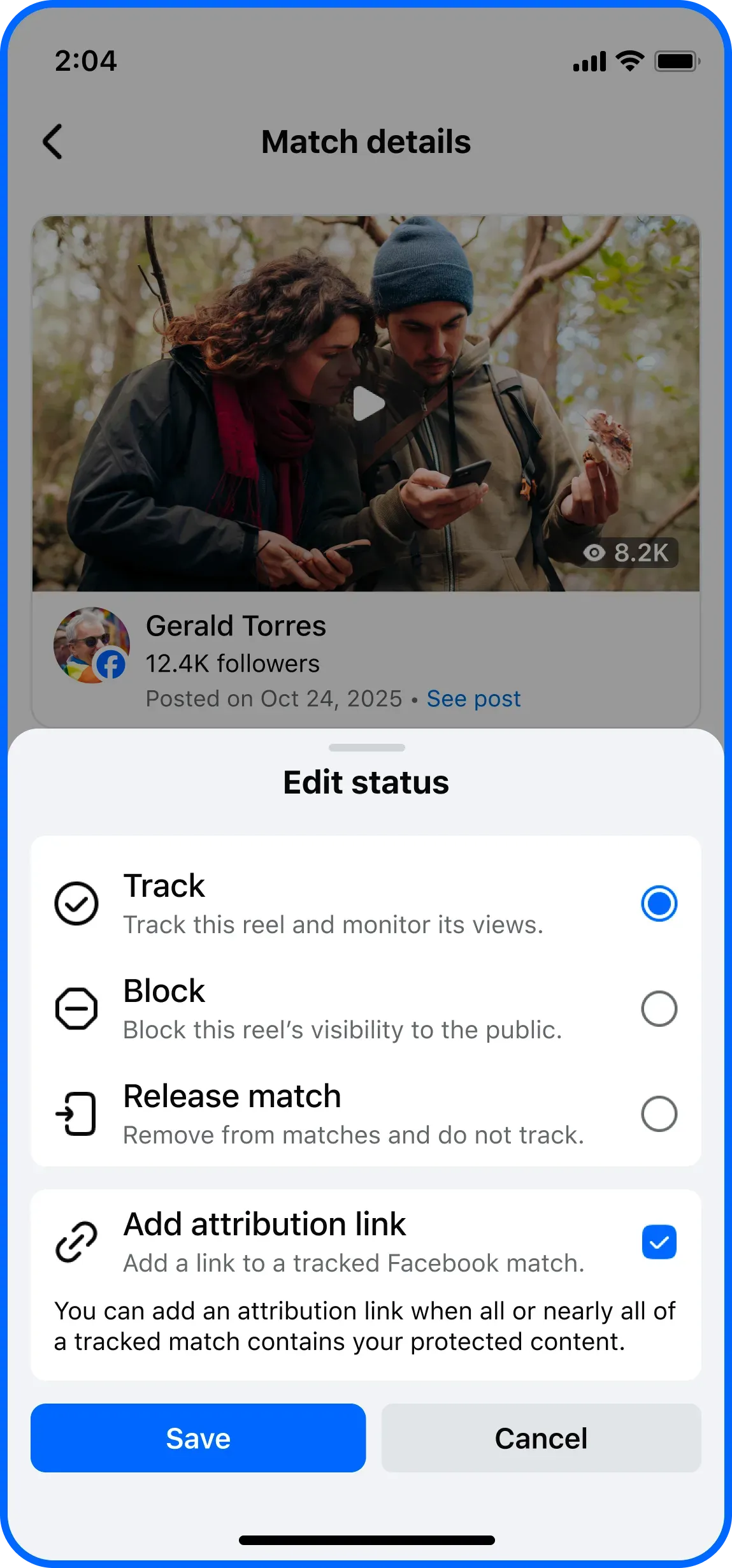
That fear is exactly what Meta is trying to calm with its new content protection tool for Facebook Reels. It’s built to scan Facebook for reposts of any reel a creator originally published on Facebook. Once a match is found, creators can decide whether to track the repost, block it from being visible, or let it stay online with an “original” label linking back to their page.
The tool also shows important details, like how many views the repost is getting, whether the account is monetising it, and how big the page is, so creators can understand whether it’s something worth shutting down or simply monitoring.
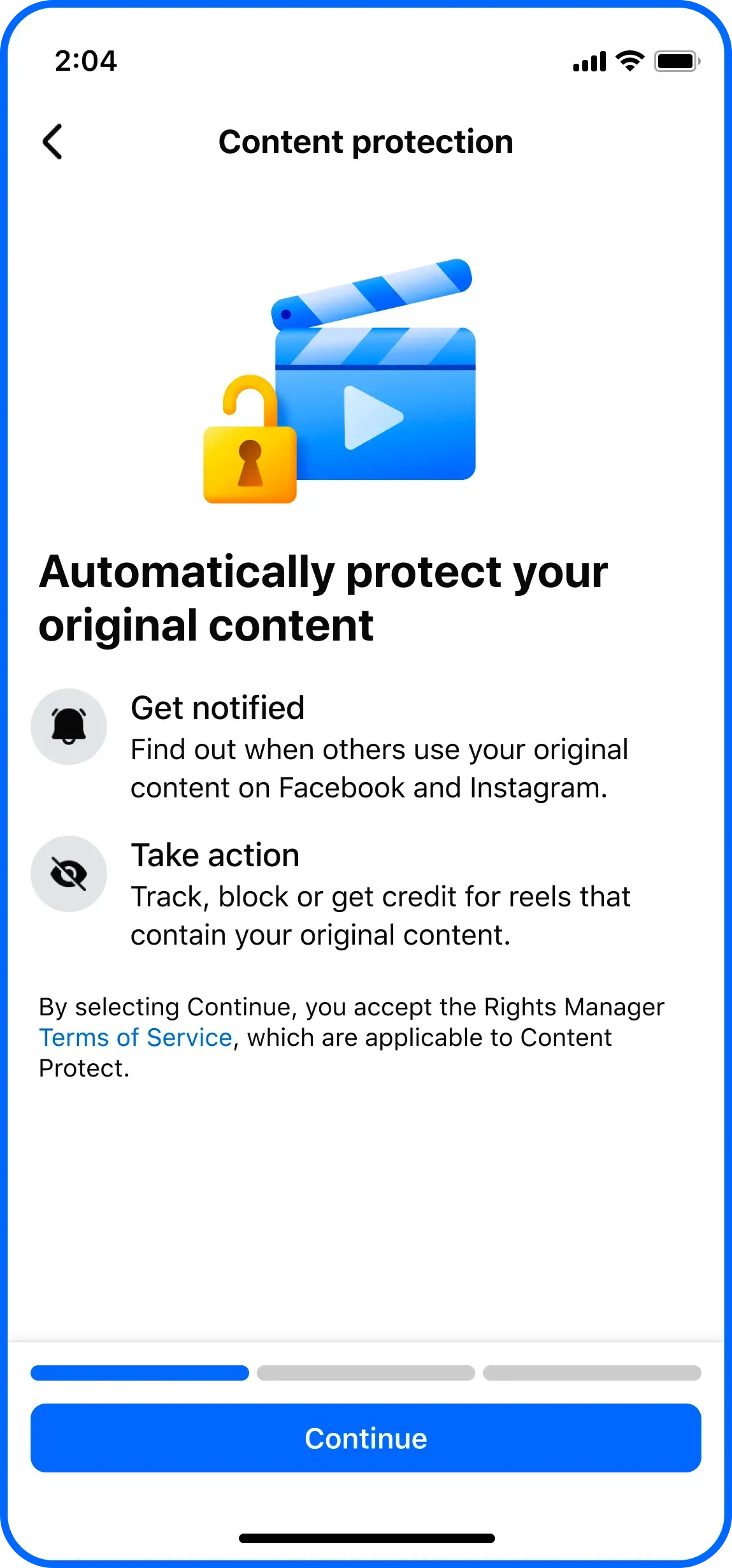
The idea behind the tool fills a long-standing gap. Facebook’s creator ecosystem has grown fast, but so has content theft. Meta says it removed around 10 million impersonator profiles in the past year and flagged more than half a million spam or fake-engagement accounts. In the past, Meta offered this kind of protection only through Rights Manager, a system many small creators never touched because it felt made for studios, not everyday people. By integrating these controls directly into the Facebook app, Meta is trying to make protection feel less like paperwork and more like part of a creator’s daily workflow.
If you’re eligible, you’ll see notifications in your Feed, Professional dashboard, and profile. You can also check for the content protection tool by navigating to the Professional dashboard → Content → Content protection. For the time being, the tool is mobile-only, but Meta says it’s testing adding it to the Professional Dashboard on desktop.
The bigger question now hovering over the rollout is how well this system handles AI-powered copying. Reposts are easy to match; they’re the same audio, the same visuals, just uploaded somewhere else. But AI remixes things. Someone could recreate a creator’s voice with an AI model, replicate their editing flow, or generate a script in a style that feels uncannily familiar. Those copies won’t look like exact duplicates, and Meta hasn’t explained how, or if, its detector will recognise them.
Compared to YouTube’s Content ID, which is the known standard for automated rights tracking, Facebook still has a long way to go. YouTube spent a decade building systems that can identify copyrighted sounds, visuals, and even tiny snippets of video.
 Henry Chikwem
Even so, this is a meaningful first step. It gives creators real oversight and faster reactions in a space where their work moves faster than they can keep up with. Meta is rolling it out first to creators in its monetisation programme and those already using Rights Manager, with broader access on the way.
It may not fix the AI problem yet, but it shows Meta is finally acknowledging the reality creators live with every day: originality matters, and platforms need to help protect it. The real test begins when the copies aren’t stolen anymore, they’re generated.
 Techloy