Morgan Stanley is preparing to deepen its push into digital assets. The bank says it will begin supporting tokenized versions of selected US stocks and ETFs on its internal trading platform in the second half of 2026, integrating them into its existing alternative trading system rather than building a separate venue.
Under the plan, certain listed equities and exchange-traded funds will be issued and settled in tokenized form alongside their traditional counterparts. These digital versions will give institutional clients the choice to use blockchain based settlement while maintaining the same economic exposure and investor rights tied to the underlying shares.
Amy Oldenburg, the bank’s head of digital assets strategy, said the rollout reflects long-term infrastructure work rather than a sudden reaction to market hype. “TradFi is getting FOMO and is now getting involved … it really isn’t accurate,” she said at the Digital Asset Summit in New York. “We’ve been on a journey around the entire modernization of financial infrastructure for years.”
 Jemi Motesho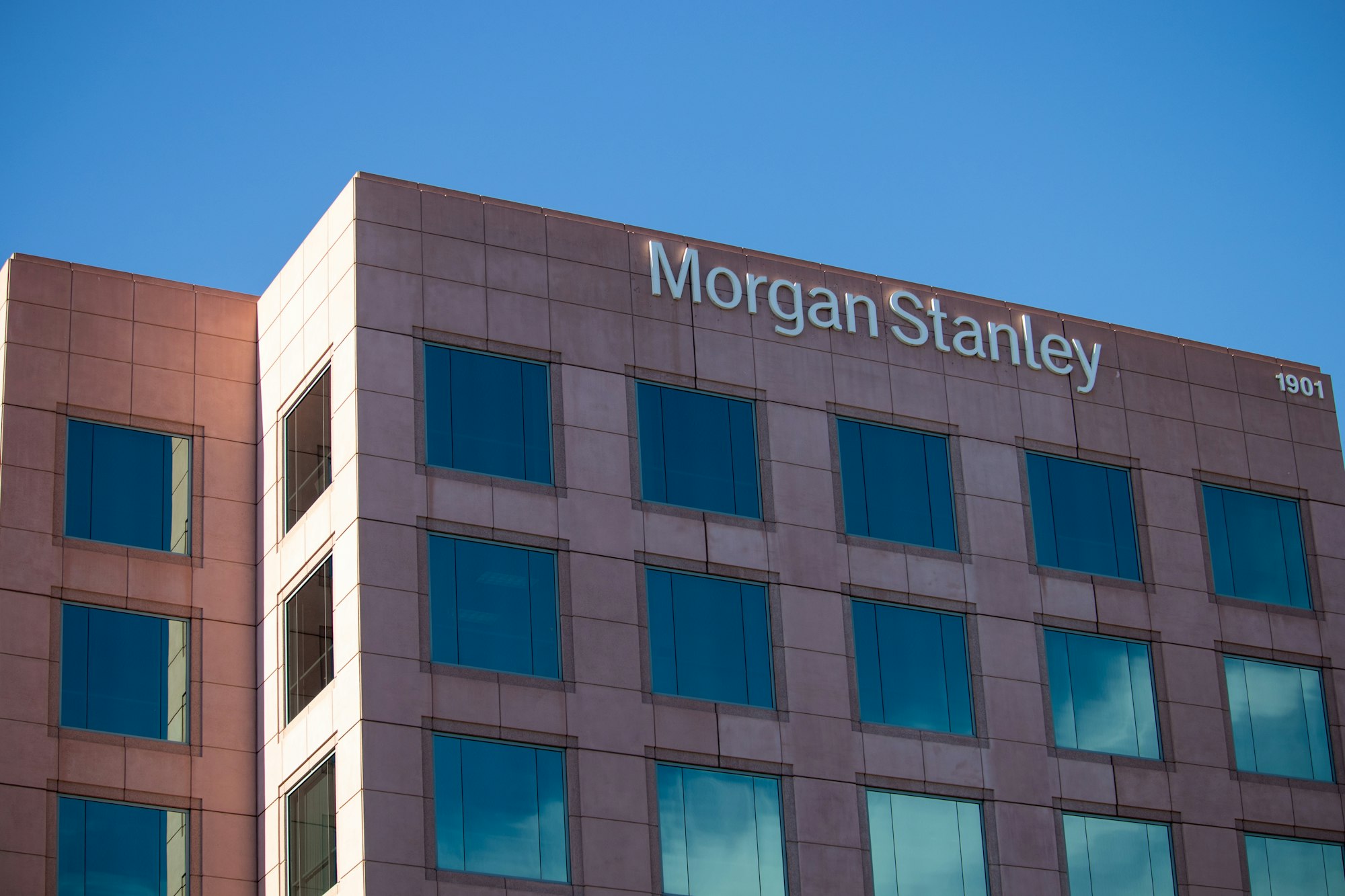
How Tokenized Assets Are Entering Mainstream Markets
Tokenized stocks are digital representations of traditional shares that live on a blockchain. They aim to make settlement faster and more transparent while keeping core features like ownership rights and pricing tied to the real-world asset. In simple terms, the share is the same, but the plumbing behind it changes.
The market for tokenized equities has grown steadily over the past year, reaching hundreds of millions of dollars in value and attracting tens of thousands of active holders. While still small compared to global equity markets, the segment is no longer experimental. It is increasingly used by offshore investors and crypto native funds looking for easier access to US assets.
Morgan Stanley’s plan fits into this wider movement. Instead of launching a separate crypto exchange, the bank will integrate tokenized settlement into its existing venue. That means clients trading selected blue chip stocks and ETFs could choose tokenized issuance and settlement without leaving the traditional structure they already know.
SEC Support Opens the Door for On-Chainblockchain-based Settlement
The timing is not random. US regulators have recently shown more openness toward tokenized securities. The U.S. Securities and Exchange Commission has granted relief allowing the Depository Trust & Clearing Corporation to explore custody and recognition of tokenized securities for a limited period. This step gives established market infrastructure providers room to test blockchain-based processes without changing the core rules of trading.
In a related move, Nasdaq received approval to run a pilot that supports tokenized stock settlement while keeping the same order book and trading rules. The idea is simple. The front end of the market remains familiar, but the back end becomes more efficient.
Morgan Stanley’s approach mirrors that model. The bank is not replacing traditional shares. It is adding a tokenized layer that runs in parallel, allowing settlement to happen on-chain while preserving investor protections and reporting standards.
This step also connects to Morgan Stanley’s wider digital assets roadmap. The bank has expanded its crypto offerings for wealth clients in recent years and explored products tied to bitcoin and other digital assets. Supporting tokenized stocks appears to be another piece of that larger plan.
By embedding tokenized assets into its own infrastructure, Morgan Stanley positions itself between traditional finance and blockchain-based systems. It gives institutional investors exposure to innovation without forcing them into unfamiliar platforms.
 Jemi Motesho