True-crime documentaries can sometimes spend so much time exploring the lives of people responsible for a crime that the victims become little more than background stories.
Their childhoods, relationships, personalities and motivations are examined in detail, leaving viewers knowing more about the killer than the person whose life was taken.
That is one reason I appreciated Netflix’s Taken: Natalee Holloway.
Although the documentary examines the man responsible for Natalee’s death, it keeps bringing the story back to her, the young woman at the centre of the case, and the family left searching for answers.
Directed by Dani Sloane and Matthew Galkin, the three-part series revisits the disappearance of 18-year-old Natalee Holloway during a graduation trip to Aruba in May 2005. It follows her mother, Beth Holloway, through the search, the investigation and the years of unanswered questions that followed.
 Treasure Ayanfe Adetula
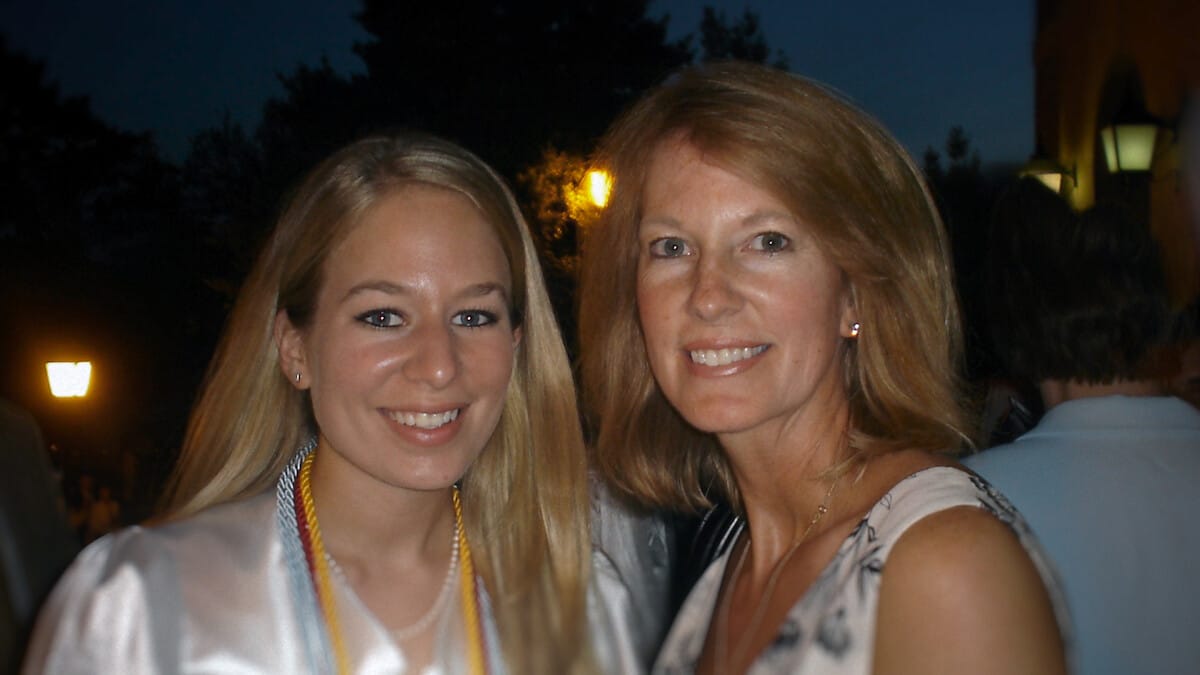
The evidence makes the 20-Year investigation easy to follow
For a case that began in 2005, I was impressed by how much material the filmmakers were able to bring together. There are news reports, video recordings, documents, interviews and other evidence that help viewers understand how the investigation developed.
Most of the footage is valuable because it takes you back to what was happening at the time. You are not just listening to people recount events that happened more than 20 years ago. You can actually see how the search unfolded, how the media covered it and how different people responded.
The directors are also familiar with true-crime documentaries. Sloane previously worked on the true-crime documentaries The Menendez Brothers and Girl in the Picture, while Galkin directed the documentary One Night in Idaho: The College Murders.
Their approach here benefits from having access to people close to the case and material that had not previously been made public. Netflix’s behind-the-scenes account also highlights the previously unseen FBI footage included in the series.
I liked the inclusion of footage from the FBI’s 2010 operation involving van der Sloot, who attempted to obtain $250,000 from the Holloway family in exchange for information about Natalee’s remains. It gives viewers a picture of how the family continued to be targeted even years after her disappearance.
Across its three episodes, the documentary moves from Natalee’s disappearance to the investigation’s complications and eventually the 2023 confession. The chronological structure makes the lengthy case easier to understand.
How the case became a media spectacle
As news of Natalee's disappearance spread across the US, media coverage quickly became a major part of the investigation. Aruba and its police department came under intense scrutiny, with questions about whether authorities were doing enough, how quickly they were responding and whether they were treating the case with the urgency it deserved.
I could understand why Beth and her family were frustrated, particularly when they were desperate for answers. However, the documentary also shows how the coverage affected people in Aruba, many of whom had volunteered to help search for Natalee.
The situation eventually grew beyond the investigation itself. Public criticism and growing tensions contributed to resentment towards outsiders who had travelled to the island to follow the case. It is an uncomfortable reminder of how media coverage can shape perceptions of an entire community, especially when a complicated investigation is reduced to headlines about who is failing and who is responsible.
The reporting also gave van der Sloot opportunities to attract attention. Rather than consistently questioning his claims, some outlets gave him a platform to make statements and offer different versions of events. Meanwhile, sensational headlines and competing theories placed Natalee and her mother under public scrutiny.
Beth Holloway’s search is the emotional centre of the series
It is difficult to watch Taken: Natalee Holloway without appreciating Beth Holloway’s resilience. For years, she continued searching for her daughter despite disappointments, conflicting information and moments when it seemed that the investigation was going nowhere. Even when she was visibly exhausted by the process, she kept showing up and looking for another way to get answers.
I understand that a mother would do everything within her power to find her child, but watching how long Beth maintained that determination is just remarkable. The documentary allows viewers to see the emotional cost of a search that consumed so much of her life.
This emotional focus is one of the series’ strengths. It also makes the final episode a difficult watch because the answers Beth eventually receives came after years of uncertainty.
The visuals, sound and storytelling
Taken: Natalee Holloway does not rely heavily on background music to keep viewers engaged. Unlike some true-crime documentaries that use dramatic scores to build tension or make certain moments feel more emotional, this series lets the interviews, conversations, and information presented on screen do most of the work.
Music is occasionally used, but not continuously or as the primary tool for creating suspense. Instead, the focus stays on what people are saying, the details being presented and how the events are explained. I liked this approach because it gives viewers room to take in the accounts and form their own understanding of what happened without constantly being directed on how to feel.
Subscribe for free to continue reading this article
Subscribe SubscribeAlready have an account? Log in