



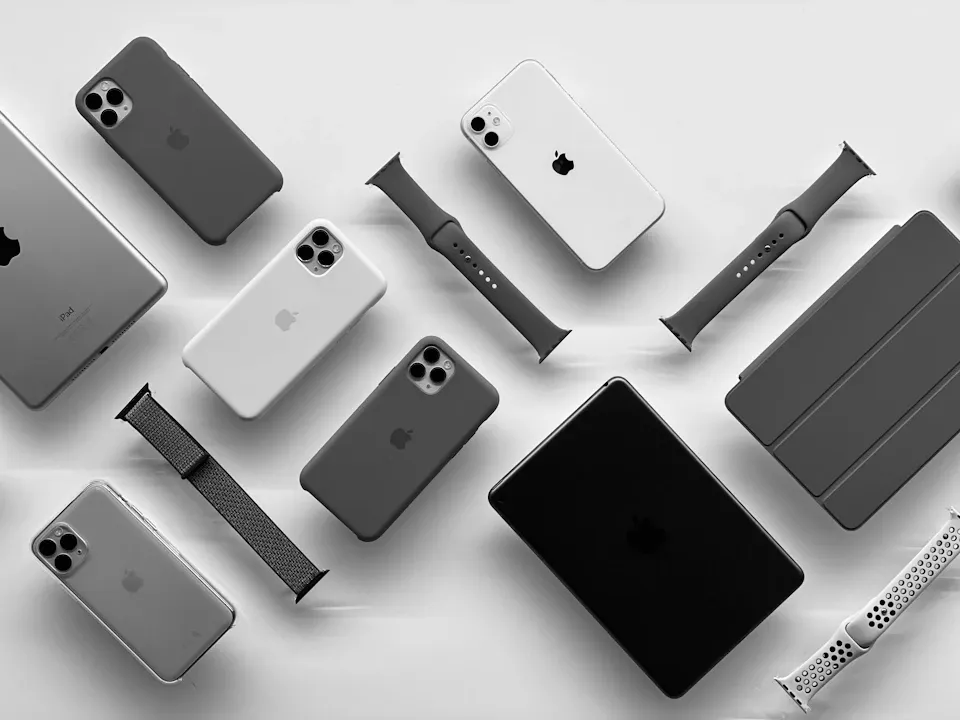
I was late to the Apple club, only using my first iPhone, an iPhone 6, in 2017. In Lagos, the phone wave hit us like a tsunami. In the circle that I found myself, Apple products were not always the go-to. Expensive phones like that were only for the fathers of the richest kids.
But something switched in our psyche as we approached the middle of the last decade, splitting all Nigerian youths into two: iPhone lovers and iPhone haters. Later, the MacBook too became popular, further cementing this dynamic, fitting us into cool and uncool kids.
Suddenly, Apple products had become common, appearing in Instagram photos, alongside wads of cash and bottles of expensive spirits. I had only bought my iPhone 6 as an experiment. Let me see what Apple has to offer. I was hooked. Since then, I have only ever used the iPhone. When I finally got my first Mac years later as a writer at a tech media website, five minutes of testing the device, I knew it would ruin my life. I have since become drunk on the Apple ecosystem.
I have chosen Apple offerings over the years because, to me, their utility is not a mirage. It seemed to me, for the first time, a company sold a product that could do what it advertised and do it well.
When we talk about the Apple ecosystem, somehow we forget that that was not always the case. The batteries didn’t last as long as they were advertised, that fingerprint unlock didn’t always work well, that our phones got tired and hung a lot. It was why people drank the Kool-Aid until it was all it was: Kool-Aid.
This week, as the company turns 50, we look at 50 of the most defining, most innovative products in Apple’s history.
— Dennis, Managing Editor
🚖 The truth about robotaxis
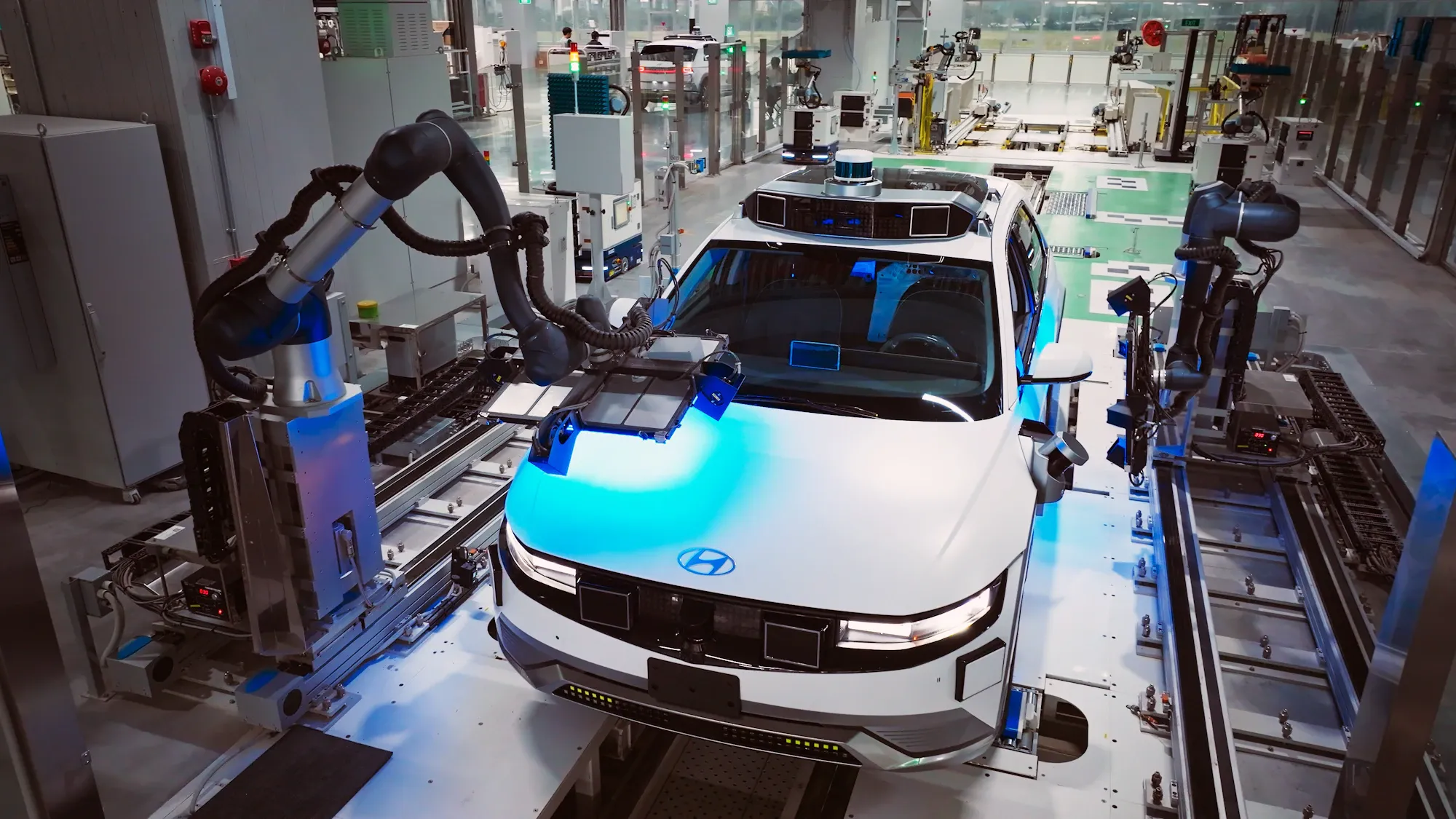
We reported on a damning admission for robotaxis this week. Tesla, Waymo, and some other American players in the field had to disclose that they drove some of the self-driving cars remotely, but didn’t say how frequent it was.
🤖 AI and productivity
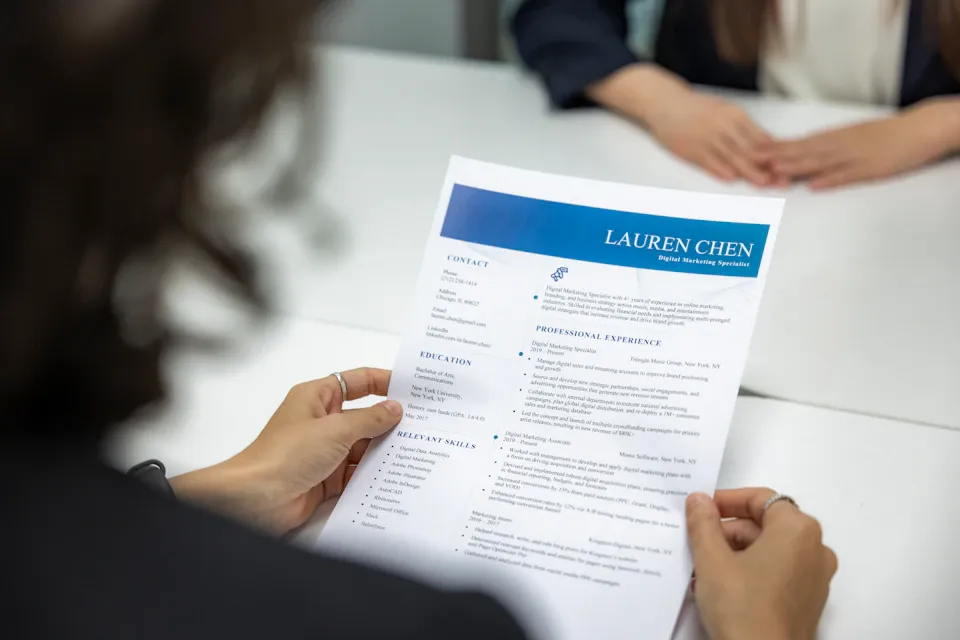
What will happen to professionals who reject AI? This week we shared a CV and LinkedIn page created by Claude with a leading HR expert, and her feedback scoffed at any AI sceptics in 2026. “This is how we live now,” was what she said.
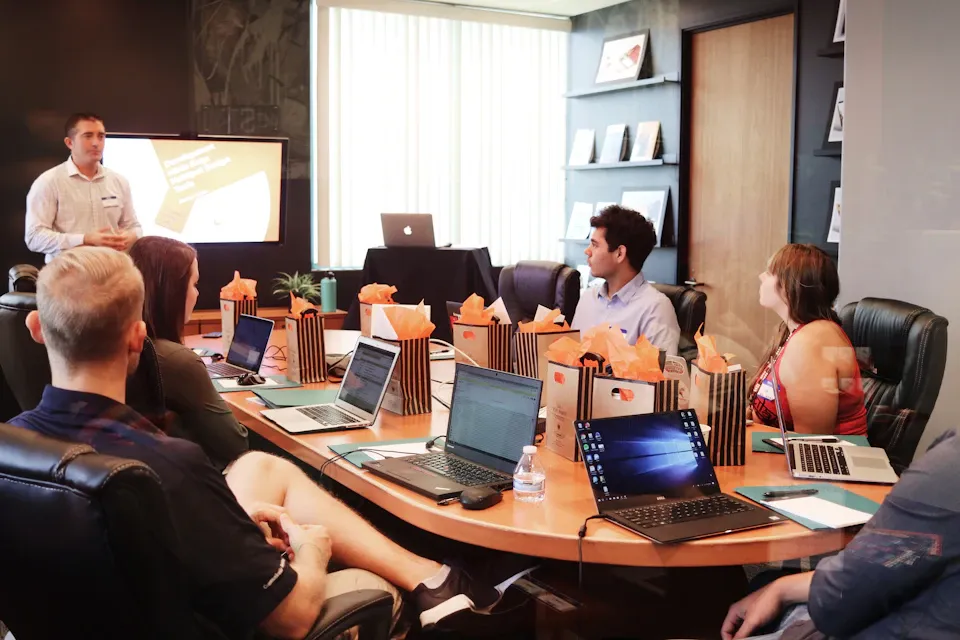
How well do you use AI at work? American companies are now rolling out new incentives to compel more employees to adopt AI into their work, effectively making it a core competence skill in today’s workforce.
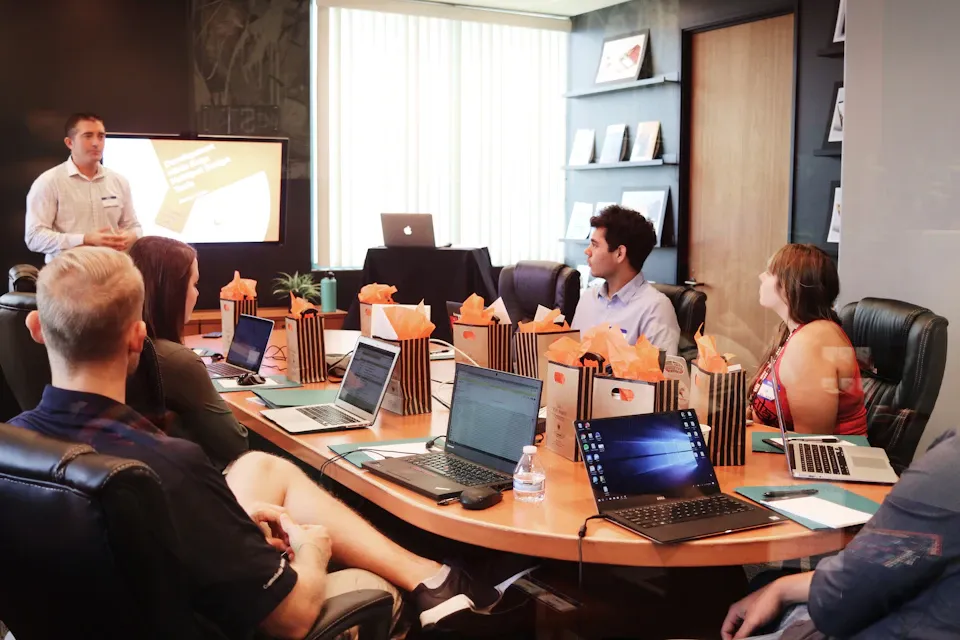
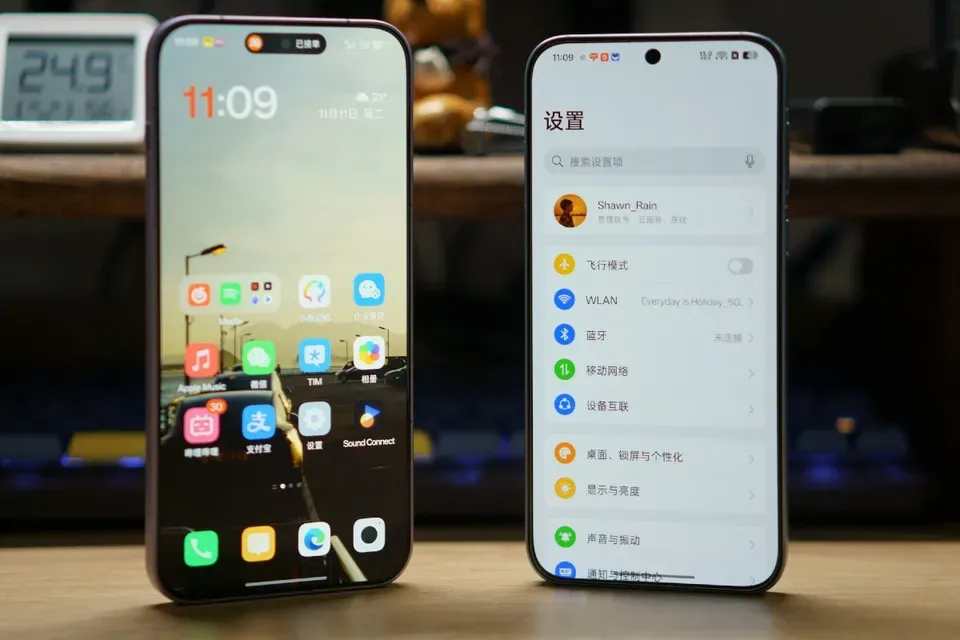
Apple Intelligence briefly appeared in China this week but was sharply taken down, as regulators in the country are yet to approve it. The move raised speculation about whether the feature would ever be available in China.
🌍 Device Watch
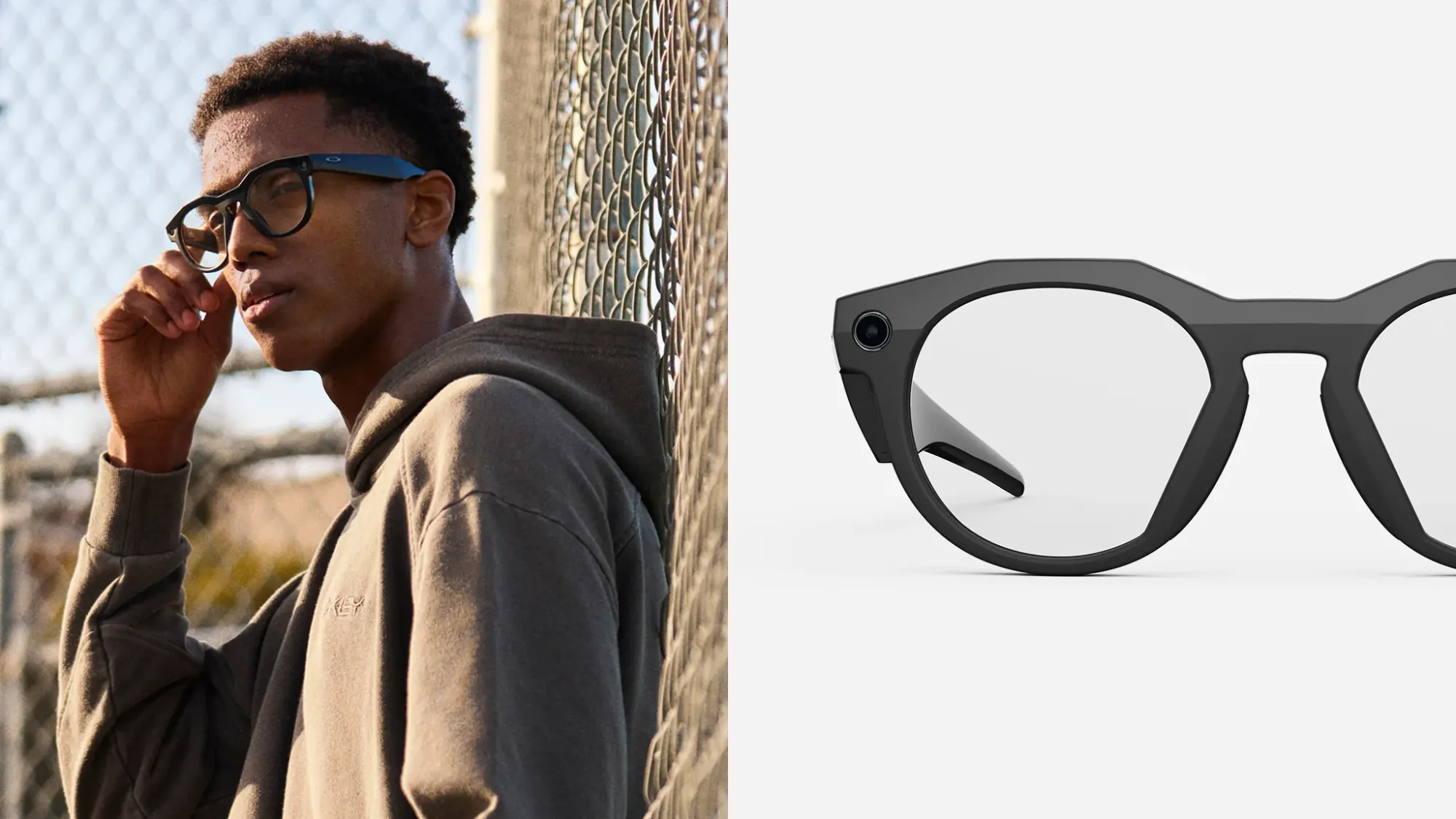
Meta has rolled out new features for its Ray-Ban smart glasses, including offering prescription frames for the first time. It should ship later this month.
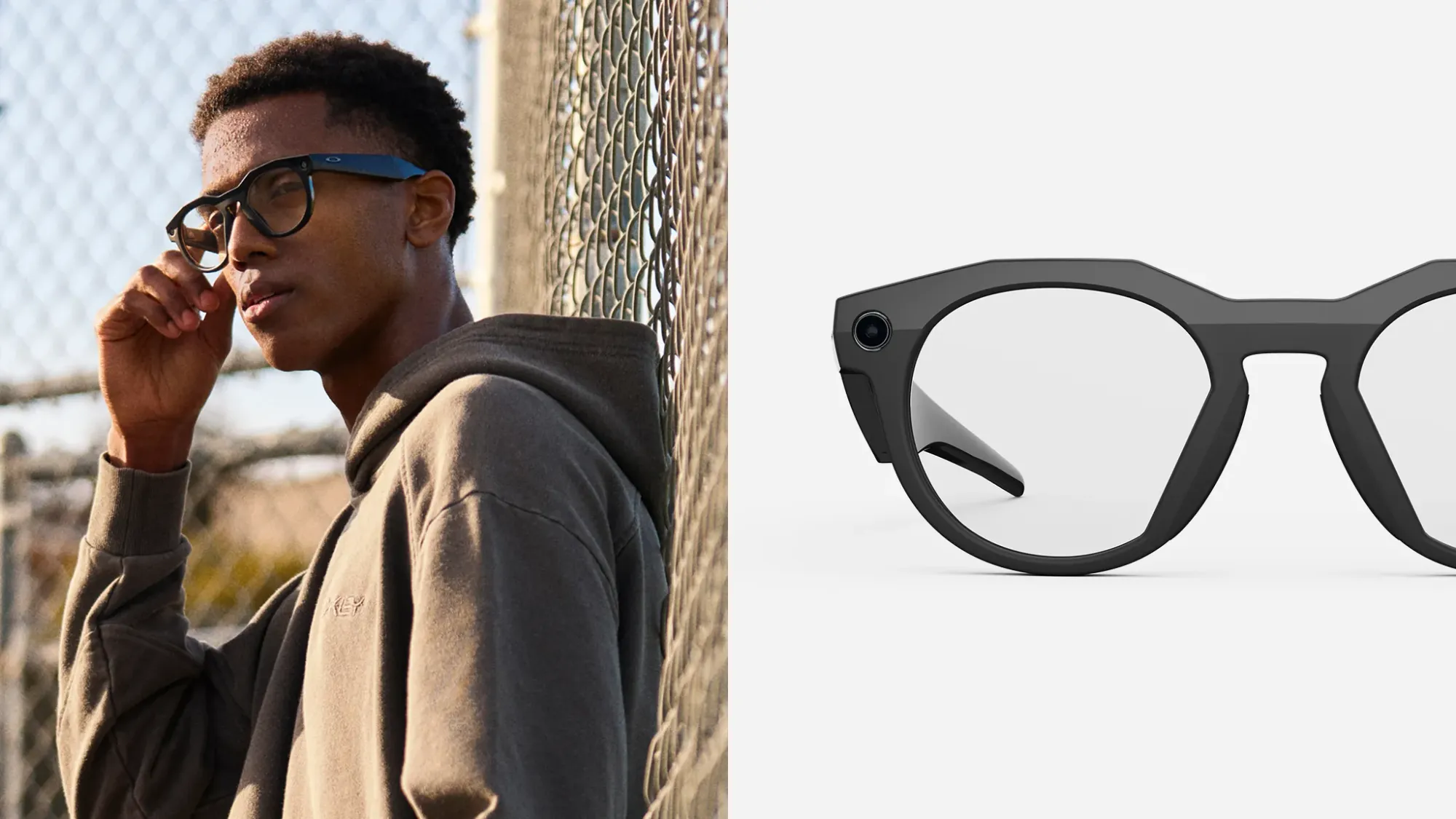
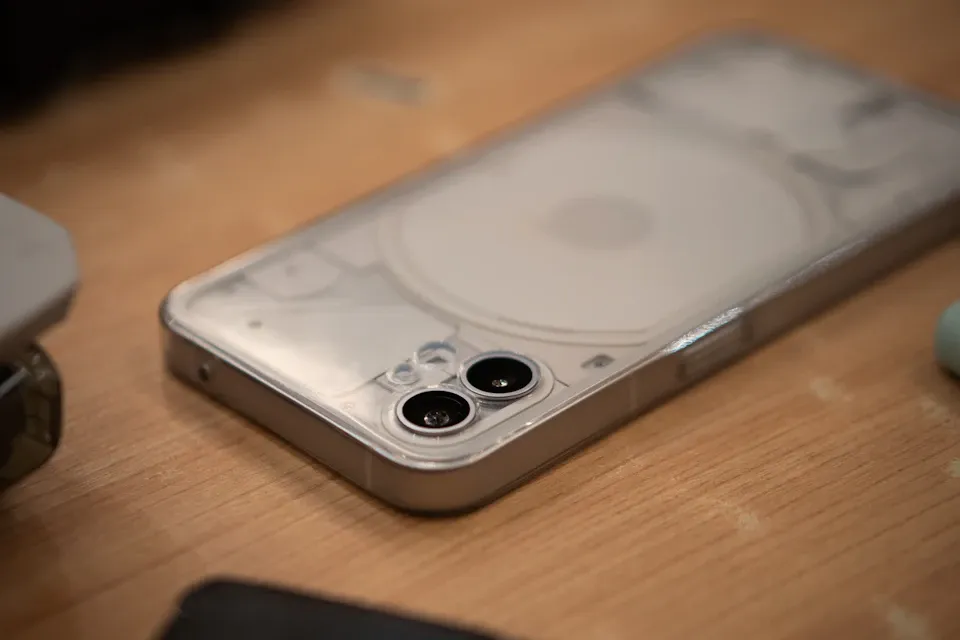
Nothing Phone is working on smart glasses that could rival Meta’s, we reported this week. Sources familiar say that CEO Carl Pei, who had long been opposed to the idea, changed his perspective on the matter.
🎮 Gaming & Entertainment

- Rec Room Is Shutting Down: 3 Best Alternatives to the VR Game
- April 2026 PlayStation Plus Games: Lords of the Fallen, Tomb Raider Trilogy, SAO
🪙 Crypto & Global Finance

What if the crypto industry was being regulated by the private sector, made up of people with interest and investment in crypto, but done with enough transparency that major decisions made are public? Would this help the industry grow? The Nigerian Central Bank is experimenting with a pilot program that will give oversight of the industry to private entities.

Did Regulation Turbocharge Crypto Adoption in Latin America?
How Latin America's crypto landscape evolved from a niche economic hedge during Brazil’s 2015 recession into a maturing, regulated market driven by the region's search for financial stability and utility.
(Requires paid subscription to access the full content)


