


The H-1B visa has long been the ticket to the American Dream for global tech talent. But the U.S. is now increasing the fee for new applications to $100,000—up from $215—to force companies to hire American workers instead of foreign workers.
The fee alone surpasses the median salary of new H-1B hires, rendering visa sponsorship a challenging proposition. If Trump's executive order is implemented, America's global talent magnet could weaken, and rivals like Canada, the UK, and Europe may be ready to scoop up the fallout.
In this week's feature story, Chivu writes about what the new visa policy means, which nationals will be hit the hardest, what it means for U.S.-based companies, and how it could impact global migration.
Until next week,
— Seun

Top 6 AI Customer Service Solutions for Small Businesses [2026 rankings]
For most small businesses for 2026, Text App stands out as the best option for fast, reliable automation of everyday customer requests.
LEARN MORE📰 News & Insights
🎵 Wait, is Suno AI ripping off YouTube Music?

What it means: Record labels are going after the way AI tools are using their copyrighted songs. What happens next could define the rules of the AI industry and the entertainment industry.
💎 The $400B Dutch giant powering the AI boom (that you've probably never heard of)
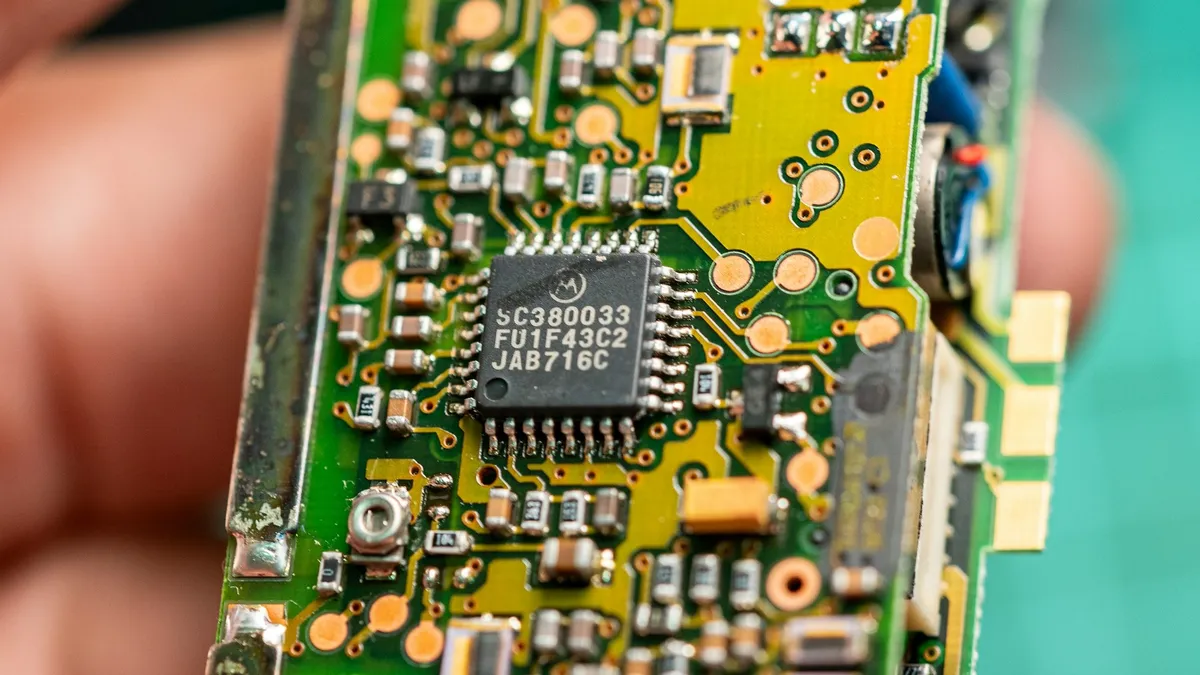
Why it matters: When most people think of the chip industry, the first names that come to mind are the familiar ones: TSMC, NVIDIA, Intel, or AMD.
🍿 Disney is increasing its prices across Disney+, Hulu, and bundle plans as streaming services continue prioritising profits over subscriber growth.
🎵 African musicians are gaining global fame through streaming, but the harsh financial reality shows streams alone rarely provide a sustainable income.
⚖️ Meta is funding Super PACs to combat state-level AI regulations, aiming to prevent a patchwork of laws that could hinder its development plans.


