



I first discovered the tech ecosystem in 2017 when #FounderMode was a celebrated ideology. It was not a great year for the industry, reputation-wise. Still awash with Silicon Valley venture capital, founders too inexperienced with bad managerial instinct had ruled over startups like one would a fraternity for groundlings. Sexual harassment allegations were rife. Multiple reports exposed bullying incidents.
There were many companies that were stained by this. But only a few were affected quite like Uber, a buzzy ride-hailing company.
And the first article about the industry I ever read was a viral blog post by Susan Fowler, a former employee at Uber who detailed her experience at the company and the complicity of founder Travis Kalanick, who ultimately resigned.
When I became a journalist covering the tech ecosystem, I never fully recovered from Fowler’s accounting, always watching the leaders in the space, looking for traits, suspicious. And so for me, like for many, #FounderMode—the marching order of that industry for young founders to work harder and build faster—became a dirty ideology.
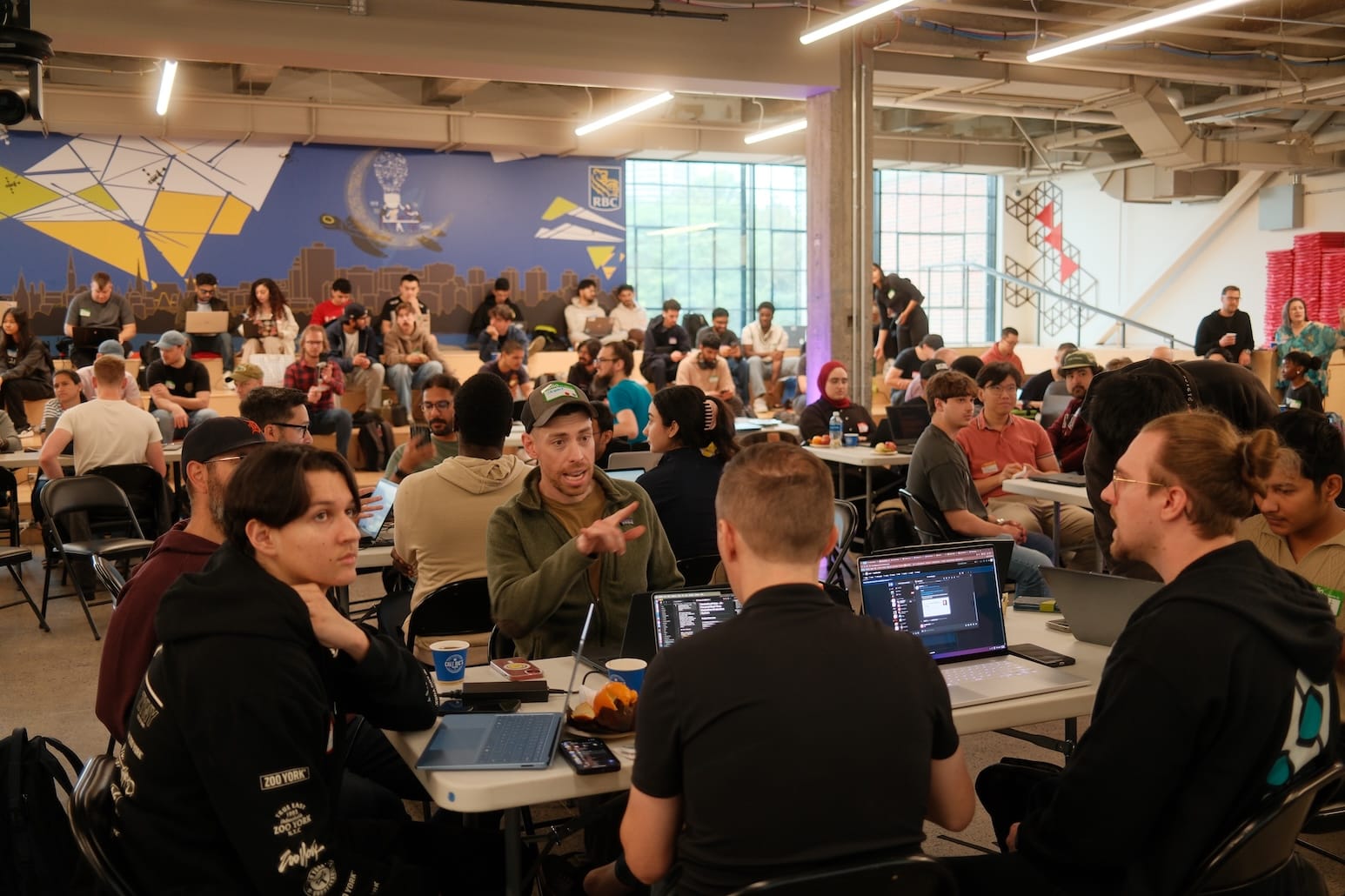
As we entered the AI boom, with the industry once again flush with cash, many innovators have chosen to embrace the #FounderMode once more, to build the product that would determine the future of this era. One of the places they are building these products is in hacker houses. Hacker houses are workplaces away from the office or home office where builders come together to build individual products and receive feedback on their work.
This week, we spoke to the founders of the AGI Ventures Canada Hacker House, the first AI hacker house in Canada, leaning on their experience to understand this new era of foundermode.
— Dennis, Managing Editor
Subscribe for free to continue reading this article
Subscribe SubscribeAlready have an account? Log in


