NVIDIA has announced DLSS 5, the next iteration of its AI-powered graphics technology, with a release window set for Fall 2026. The update will be exclusive to RTX 50-series GPUs and introduces a new approach to real-time lighting and rendering.
The company unveiled DLSS 5 at its GTC conference on March 16, where CEO Jensen Huang described it as “the GPT moment for graphics” and Nvidia’s biggest leap since real-time ray tracing launched in 2018.
“Twenty-five years after Nvidia invented the programmable shader, we are reinventing computer graphics once again,” Huang said. “DLSS 5 blends handcrafted rendering with generative AI to deliver a dramatic leap in visual realism while preserving the control artists need for creative expression.”
Unlike previous versions of DLSS, which focused on performance through upscaling and frame generation, DLSS 5 shifts toward neural rendering—using AI to modify how light, materials and surfaces appear in real time.
 Damilare Odedina
What Is DLSS 5 and How Does It Work
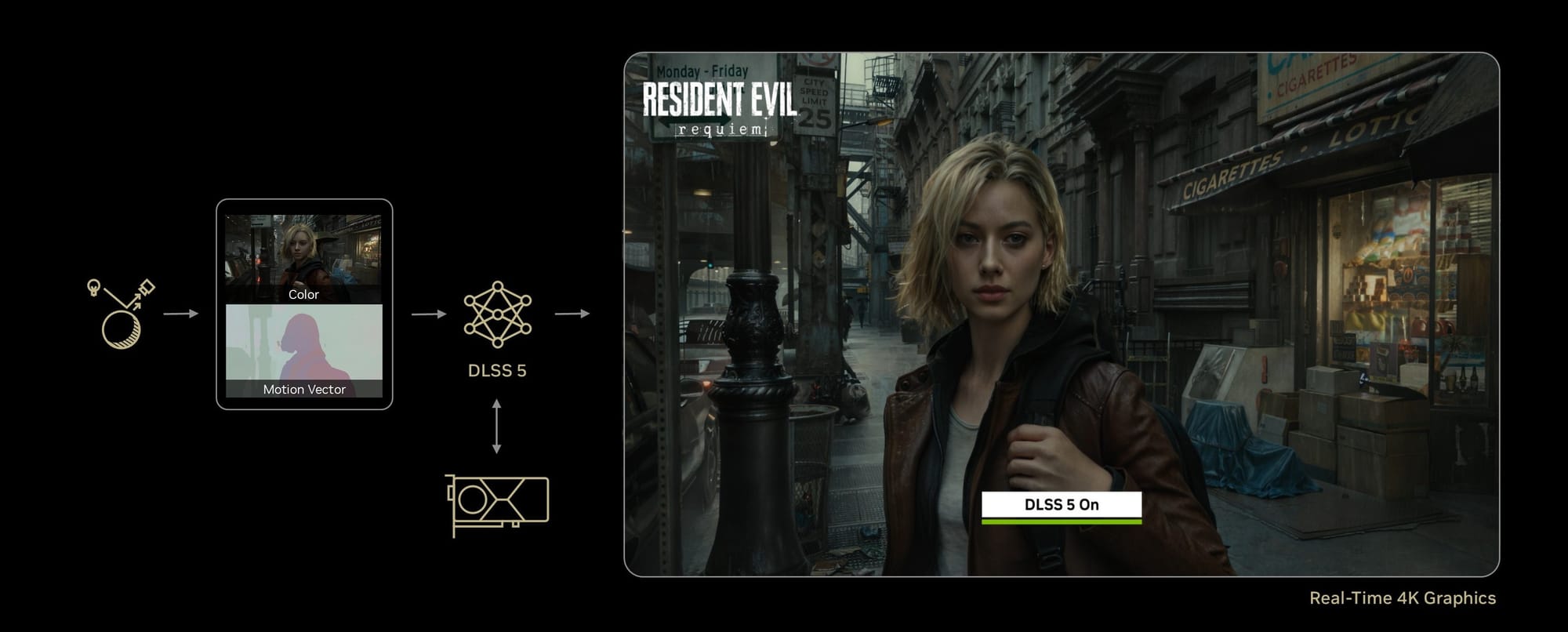
DLSS 5 processes each frame using colour and motion data, passing it through a neural network trained to simulate more realistic lighting behaviour.
The system identifies different elements within a scene — such as skin, hair, metal and water — and applies tailored rendering techniques to each. This includes effects like subsurface scattering for skin, more detailed hair rendering and improved material response.
NVIDIA says the model can also interpret lighting conditions from a single frame and generate enhanced images in real time at up to 4K resolution while maintaining frame-to-frame consistency.
Which Graphics Cards Support DLSS 5
DLSS 5 works exclusively on RTX 50-series graphics cards, including the RTX 5090 and RTX 5080. RTX 40-series and older cards will not support it.
Complete List of DLSS 5 Supported Games
Publishers supporting DLSS 5 include Bethesda, CAPCOM, Ubisoft, Tencent, NetEase, NCSOFT, S-GAME, Hotta Studio, and Warner Bros. Games.
Confirmed games include Starfield, Assassin's Creed Shadows, Resident Evil Requiem, Hogwarts Legacy, The Elder Scrolls IV: Oblivion Remastered, Delta Force, Phantom Blade Zero, NARAKA: BLADEPOINT, NTE: Neverness to Everness, AION 2, Black State, CINDER CITY, Justice, Sea of Remnants, Where Winds Meet, and EA SPORTS FC.
Todd Howard of Bethesda Game Studios said early tests of the technology in Starfield were promising. “When NVIDIA showed us DLSS 5 and we got it running in Starfield, it was amazing how it brought it to life. We've played it. We can't wait for all of you to do so as well,” he said.
Why DLSS 5 Drew Criticism From Game Developers
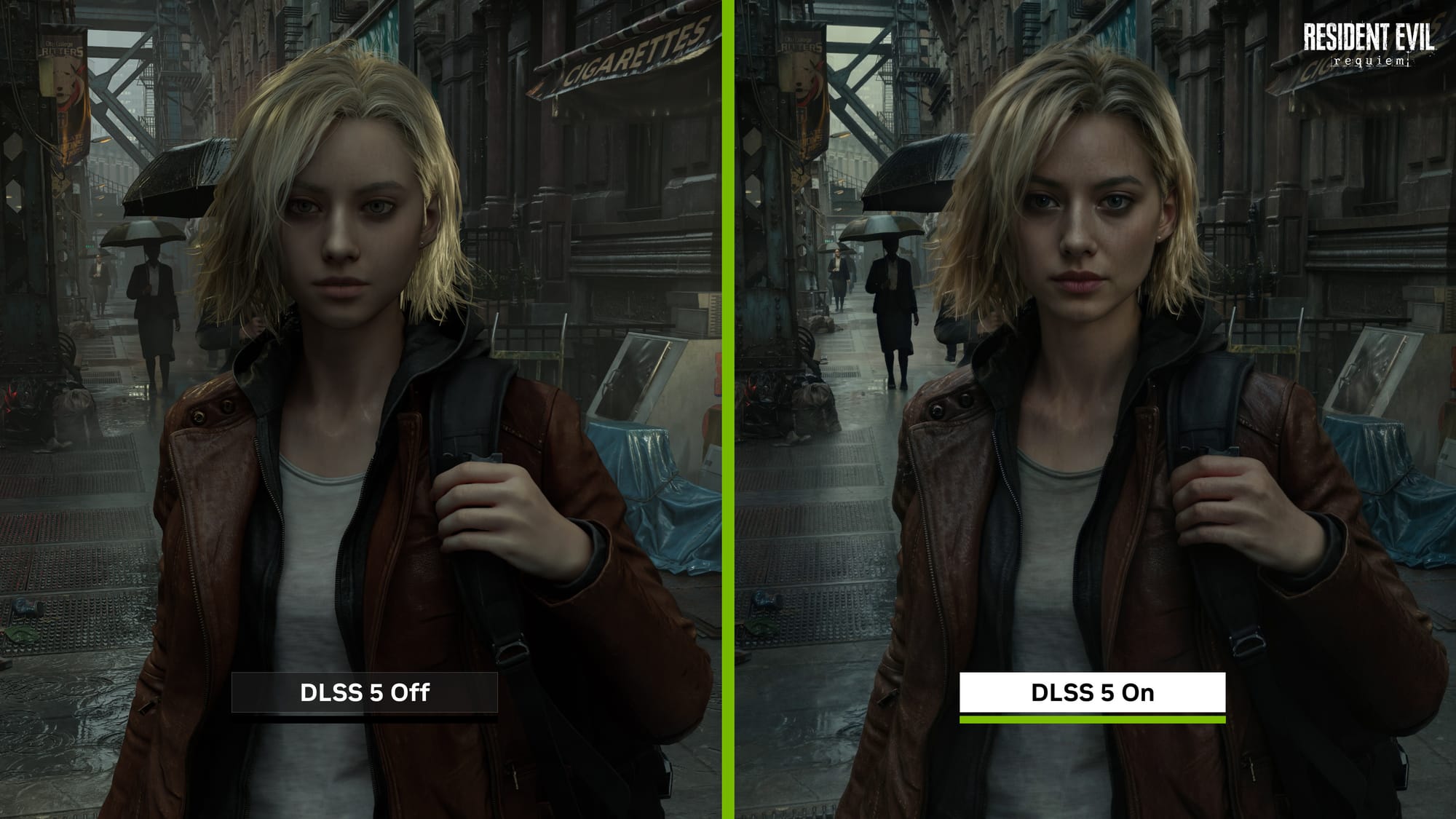
The announcement has also drawn criticism from developers and artists, particularly over how the technology alters visual style.
Game developer Mike Bithell criticised the approach, writing: "For when you absolutely, positively, don't want any art direction in your gaming experience. Disappointing to see anyone take this nonsense seriously."
Concept artist Jeff Talbot also pushed back: "This is NOT the direction games should be going in. In every shot, the art direction was taken away for the senseless addition of 'details'. This is just a garbage AI filter."
Steve Karolewics, a rendering engineer at Respawn, wrote, "DLSS 5 looks like an overbearing contrast, sharpness, and airbrush filter. Remarkably different frames with the rationale of photo-real lighting? Nah, I think I'll stick with the original artistic intent."
Bethesda replied to a video on X showing a snippet of hands-on with four games and an impression of DLSS5 on March 16, saying, "This is a very early look, and our art teams will be further adjusting the lighting and final effect to look the way we think works best for each game. This will all be under our artists' control and totally optional for players."
NVIDIA says developers get controls for intensity, colour grading, and masking. They can adjust where the AI applies enhancements and exclude specific objects or areas. The technology integrates into NVIDIA's existing Streamline framework, the same system that powers current DLSS and Reflex technologies.
 Emmanuel Umahi