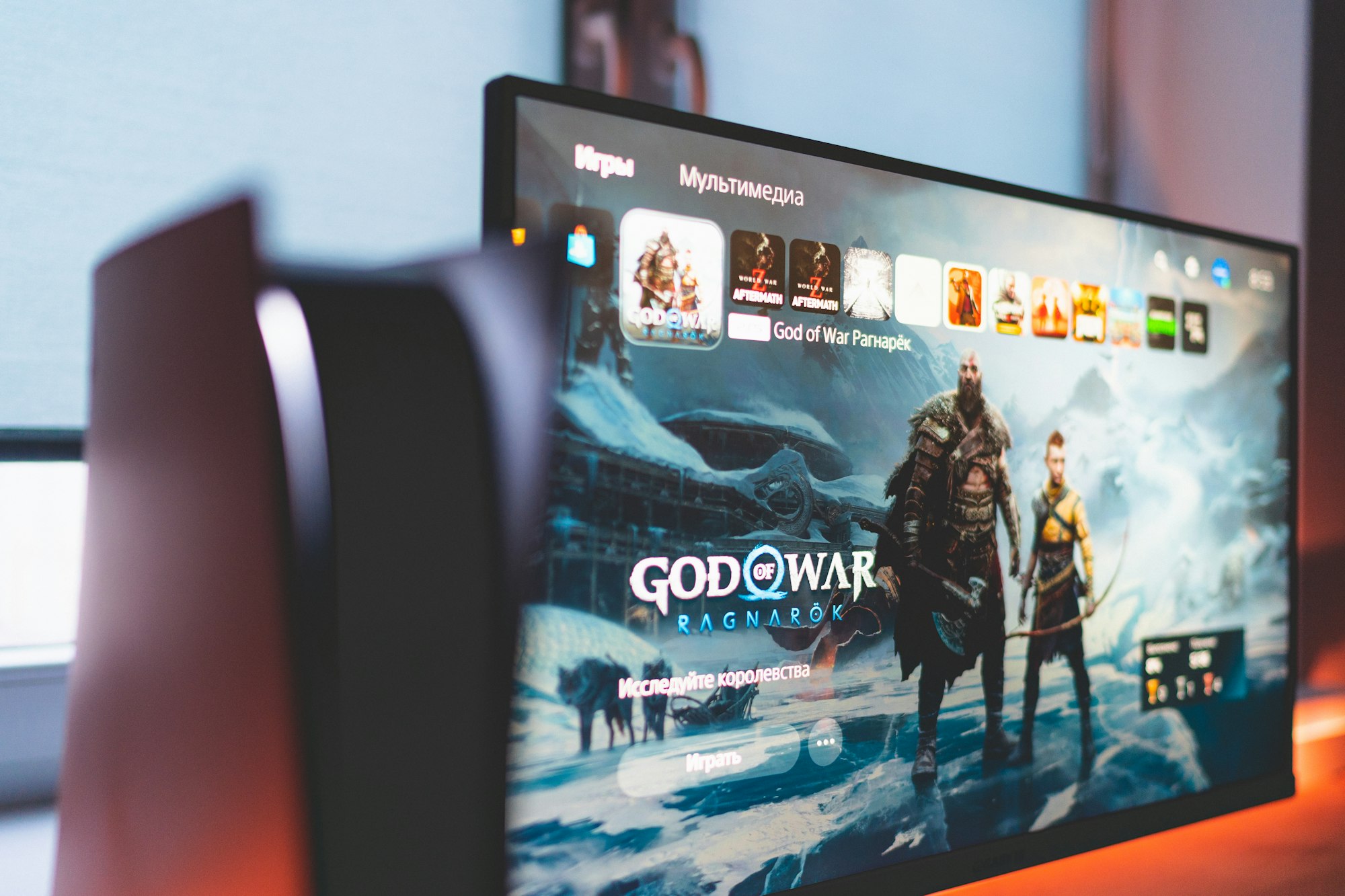
Sony’s PlayStation Portal has received another update, expanding the number of games playable via cloud streaming. On paper, it looks like progress, but in practice, the update highlights why Sony urgently needs a proper handheld console again.
Launched in November 2023, the Portal was originally intended as a simple accessory for the PlayStation 5. It lacked any native processing power and relied entirely on Remote Play to stream games from a user’s PS5 to its screen. While technically portable, it required a strong Wi-Fi connection to work, limiting its usefulness mostly to in-home play.
Despite these constraints, the Portal found unexpected popularity. In 2024, Sony Interactive Entertainment CEO Hideaki Nishino called it a “huge success,” prompting the company to add support for public Wi-Fi and cloud gaming for PlayStation Plus Premium subscribers.
The newest update attempts to make the Portal feel more like a true handheld. Cloud Streaming is now out of beta, allowing users to stream not only PS Plus titles but also many games tied to their PlayStation account through purchase on the PlayStation Store. This opens access to a library of over 3,000 games. Additional features include in-game purchases while streaming, multiplayer invites, and enhanced accessibility tools like a screen reader and adjustable text sizes.
 Emmanuel Umahi
While this sounds promising, the experience falls short because the Portal is still streaming-only hardware. Sony claims the device requires a minimum of 5 Mbps and recommends at least 15 Mbps for optimal play, but in real-world tests, even speeds well above 30 Mbps failed to reliably launch games. Streaming remains frustratingly inconsistent outside of ideal home network conditions, making true on-the-go play largely impossible.
This limitation underscores the central problem: no matter how many features Sony tacks on, the Portal cannot replace a real handheld gaming device. The dream of playing PS5-quality games anywhere without worrying about Wi-Fi simply isn’t possible. Players increasingly expect a seamless experience similar to what the Nintendo Switch, Steam Deck, or the upcoming Switch 2 and ROG Xbox Ally offer: local processing power, robust battery life, and the ability to play anywhere, without relying on perfect network conditions.
Sony may be aware of the need for a course correction, though. Rumours suggest a true Vita successor is in development, possibly capable of running PS5 games natively. Some speculate Sony could even produce a hybrid device that docks for home use, similar to Nintendo’s approach. Supporting this idea, Sony has reportedly pushed developers to adopt PS5 features like “Power Saver” mode, which could help reduce energy consumption and optimize battery life for portable hardware.
The takeaway
The PlayStation Portal shows there’s clear demand for portable PlayStation gaming, but streaming alone can’t satisfy it. Cloud-dependent hardware struggles outside ideal network conditions, leaving players frustrated and limiting true portability. Sony’s next step must be a dedicated handheld or hybrid console capable of running PS5-quality games locally, combining the freedom of mobility with the power of a home console. Until then, portable PlayStation gaming remains trapped “in the clouds,” no matter how many updates or features the Portal gains.
 Emmanuel Umahi