POCO has spent the better part of the last few years carving out a sweet spot for itself: phones that deliver near-flagship performance without flagship pricing. It started as a Xiaomi sub-brand known for value-focused devices, but with every new generation, POCO has nudged itself a little closer to the premium tier. The new F8 series, unveiled in Bali, feels like the clearest sign yet that the brand is ready to play in that space for real.
The lineup includes two phones, the F8 Ultra and the F8 Pro, and while they sit at different tiers, both come with noticeable upgrades across performance, displays, cameras, and even audio. This year, POCO partnered with Bose, a surprising but interesting step considering the brand’s mid-range roots.
 Kelechi Edeh
The POCO F8 Ultra
The F8 Ultra is clearly the star of the lineup, and POCO isn’t trying to hide that. It’s powered by Qualcomm’s new Snapdragon 8 Elite Gen 5 chip, paired with an additional VisionBoost D8 processor that handles imaging tasks and AI features. The display is huge, 6.9 inches, with slim bezels, 120Hz refresh rate, and a peak brightness of up to 3,500 nits, which is frankly more than most people need, but it does give the Ultra a standout screen.
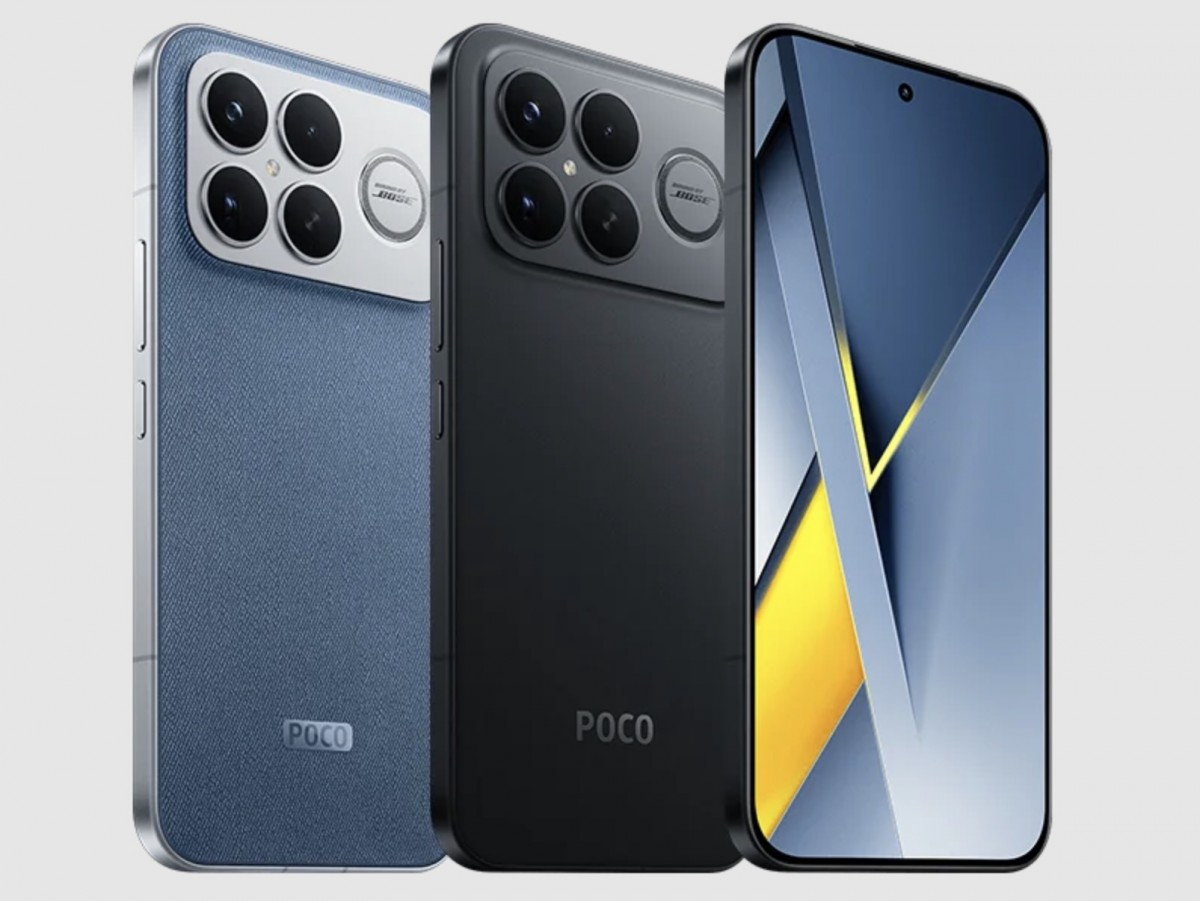
The camera setup continues that premium push: a 50MP main sensor with OIS, a 50MP periscope telephoto with 5x optical zoom, and a 50MP ultrawide. Add in Bose-tuned speakers, a large 6,500mAh battery with 100W wired and 50W wireless charging, an IP68 rating, eSIM support, and Android 16-based HyperOS 3, and it's clear the Ultra isn’t pretending to be a “budget flagship” anymore, it’s aiming for the top bracket.
The POCO F8 Pro
The F8 Pro, on the other hand, keeps things a little more grounded but still quite premium. It uses last year’s Snapdragon 8 Elite chip but pairs it with POCO’s triple-layer IceLoop cooling to squeeze out as much performance as possible. The display steps down to 6.59 inches but still holds onto 120Hz and the same peak brightness.
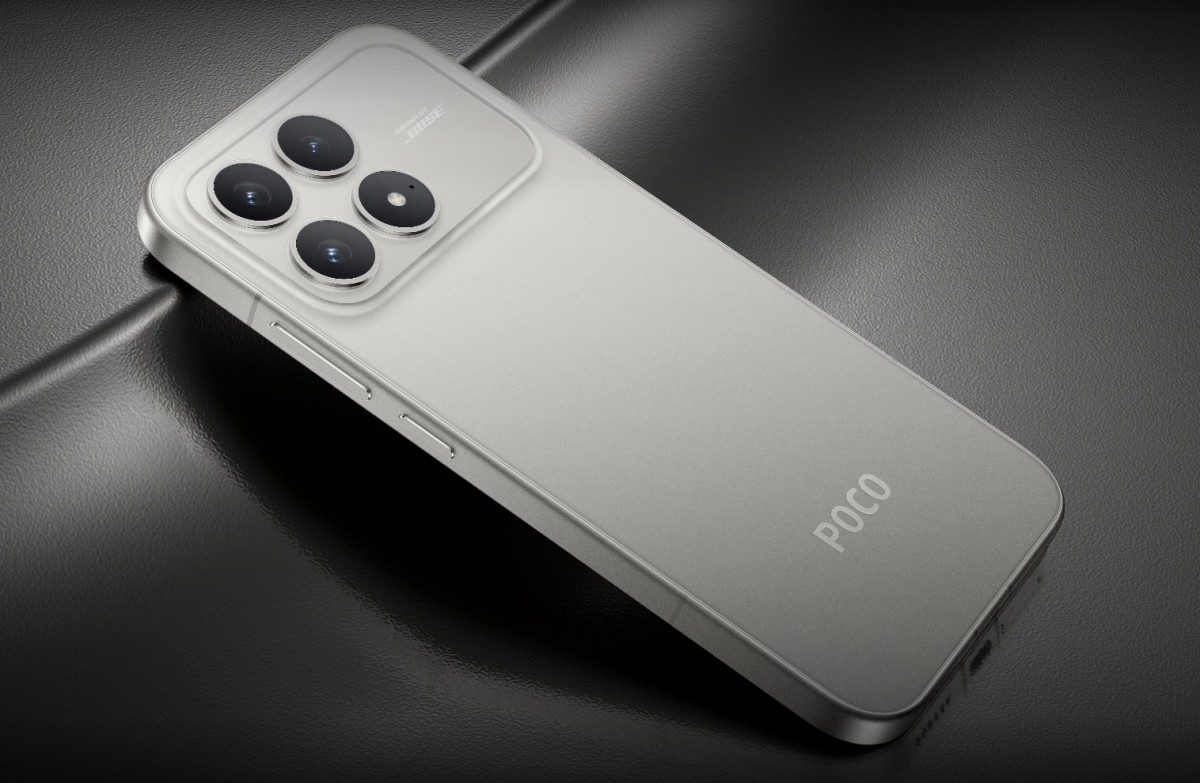
Its triple-camera system is also toned down a bit: a 50MP main sensor, a 50MP telephoto with 2.5x optical zoom, and an 8MP ultrawide, plus a 20MP selfie camera. The battery comes in at 6,210mAh with 100W charging, which is still very respectable at this price point.
Speaking of price, POCO is sticking to its formula there. The F8 Pro starts at €519/$529/£449 for the early-bird 12GB/256GB model, while the Ultra starts at €699/$679/£549 for the base variant. POCO is offering higher configurations and promo discounts, but even at full price, both phones land below what Samsung, Apple, and even some Xiaomi models charge for similar specs, which is very on-brand for POCO.
Conclusion
Compared to competitors, the F8 Ultra puts POCO much closer to true flagship territory than ever before, especially with hardware like a periscope camera and that massive battery. Meanwhile, the F8 Pro continues to give performance-focused users a more affordable alternative without stepping too far down in features.
Overall, the F8 series feels like a natural next step for a brand that has been steadily climbing its way up the ladder. This time, though, POCO isn’t just closing the gap, it’s trying to redefine where it stands in the flagship conversation.
 Emmanuel Umahi