



Shipping parcels internationally requires attention to customs rules, packaging standards, and delivery limits. When planning delivery, many customers review regulations and read more at https://us.meest.com/services/service/delivery-to-france before preparing their parcel, because understanding requirements helps avoid delays. France has clear import guidelines that apply to everyday packages sent from the United States.
Senders should always double-check destination details and verify that the recipient’s contact information is correct before dispatch. Even small mistakes in addresses or postal codes may lead to rerouting or customs questions, which can extend delivery times. Careful preparation at the start helps ensure parcels move smoothly through international shipping channels.
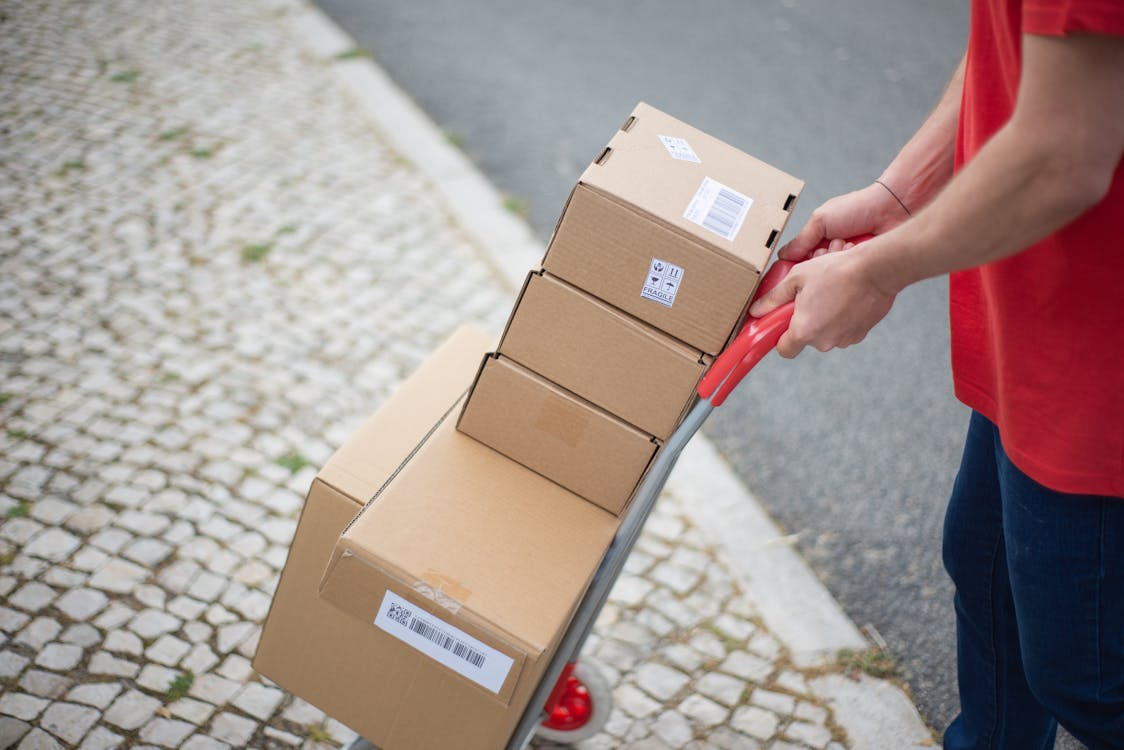
Key Customs Rules for Sending Parcels to France
Understanding French customs procedures is essential when sending personal packages overseas. The following points explain the main regulations that parcel senders should review before shipping:
- accurate declaration of contents — every parcel must include a clear description of items and their value so customs officers can evaluate duties and verify compliance;
- duty-free value limits — if the parcel exceeds the allowed threshold, the recipient may need to pay taxes or import fees based on French regulations;
- restricted and prohibited items — certain goods, including specific food products or hazardous materials, may be limited or not allowed at all;
- required documentation — forms such as a CN23 declaration, invoices, and shipment details help prevent processing delays during inspection;
- parcel size and weight rules — individual boxes generally must not exceed 66 lb and must stay within maximum dimension limits to qualify for delivery.
Following these guidelines reduces the risk of inspections that slow down delivery times. Proper documentation and careful labeling also make the customs process smoother for both sender and recipient.
Senders are encouraged to check updates to customs policies before every shipment, as regulations may change depending on security requirements or seasonal restrictions. Reviewing the latest rules helps avoid sending items that could be held at the border and ensures that parcels meet current French import standards without unnecessary complications.
Duties, Taxes, and Parcel Limits
French import laws require that parcels entering the country meet specific value and tax requirements. If the declared value goes beyond the duty-free limit, customs authorities calculate VAT and additional fees that the recipient is responsible for paying. This system helps regulate international purchases and ensures fair taxation.
Senders should also be aware of parcel measurements. A box typically cannot exceed 150 cm on any side, and the total combined length and girth must remain within allowed limits. Staying within these requirements prevents packages from being rejected or returned during sorting. Carefully measuring the parcel before shipping helps avoid unexpected surcharges or handling issues at transit hubs.
Insurance coverage is another important aspect of international parcel delivery. Many services include basic protection for shipments, while optional insurance may be added for higher-value items. This approach helps customers feel more confident when sending gifts, clothing, or personal belongings abroad.
Customs officials may request proof of purchase or additional details if the declared value seems unclear. Providing accurate invoices and realistic price information helps prevent reassessment of taxes or unexpected delays during inspection. Clear communication between sender and recipient also ensures that any required payments can be completed quickly once the parcel arrives in France.
It is also important to consider how item categories influence import rules. Personal gifts, clothing, and electronics may follow different tax treatments depending on their value and purpose. Checking regulations before shipping allows customers to prepare the correct documents, reduce the risk of penalties, and keep parcel delivery timelines as smooth as possible.
Delivery Options and Transit Times
Shipping methods play a major role in how quickly parcels arrive in France. Air delivery is usually the fastest option and may take around one to two weeks depending on the region of dispatch and customs processing speed. This option suits customers who need reliable delivery within a predictable timeframe.
Sea transportation is a slower but more budget-friendly alternative for non-urgent parcels. Transit may last several weeks, yet it allows senders to reduce shipping costs per pound while still using a secure international service. Choosing the right method depends on both timing and budget considerations. This option is often preferred for sending seasonal items or personal belongings when delivery speed is not the main priority.
Another important factor is how parcel weight and dimensions affect transportation choices. Lightweight personal shipments often benefit from air delivery, while heavier boxes that stay within allowed limits may be more economical when shipped by sea. Planning ahead helps customers balance delivery speed with overall shipping costs.
Tracking availability also differs depending on the selected method. Air shipments usually provide more frequent status updates, allowing senders and recipients to monitor progress in real time. Sea delivery still offers tracking, but updates may appear less often due to longer transit stages and port handling procedures.
Preparing Parcels and Avoiding Delays
Careful preparation helps prevent unnecessary complications during international shipping. Strong packaging materials protect items from handling during air or sea transit, while clear labeling ensures customs officers can quickly review the shipment details. Using durable boxes and proper cushioning is especially important for fragile goods.
Accurate information on forms and shipping labels reduces the chance of inspections or holds. Senders should double-check addresses, include contact details, and describe parcel contents honestly. Small errors in documentation can lead to additional questions from customs officials and longer waiting times.
Proper sealing of the package is another step that should not be overlooked during preparation. Using reinforced tape and removing old labels from reused boxes helps prevent confusion during sorting and transit. It is also helpful to place a duplicate address label inside the parcel in case the outer label becomes damaged. Taking these extra precautions can significantly reduce the chances of delays or delivery issues.
Online calculators and tracking tools make planning easier for customers. By checking shipping costs, confirming parcel size limits, and monitoring transit progress, senders can stay informed throughout the journey. Understanding regulations before shipping ensures parcels arrive safely and efficiently with services like Meest-America.


