



Mobile phones are already where most crypto activity happens. People trade tokens, store assets, make payments, and interact with apps from a single device. Yet the phones themselves still operate inside tightly controlled ecosystems, where app stores, fees, and rules are set by a handful of companies.
Solana Mobile thinks that model is overdue for a reset. This week, the company began distributing SKR, the native token of its mobile ecosystem, to users and developers connected to its Seeker smartphone. The goal isn't just to reward early adopters, but to test whether phones themselves can become platforms that users and builders meaningfully own.
 Partner Content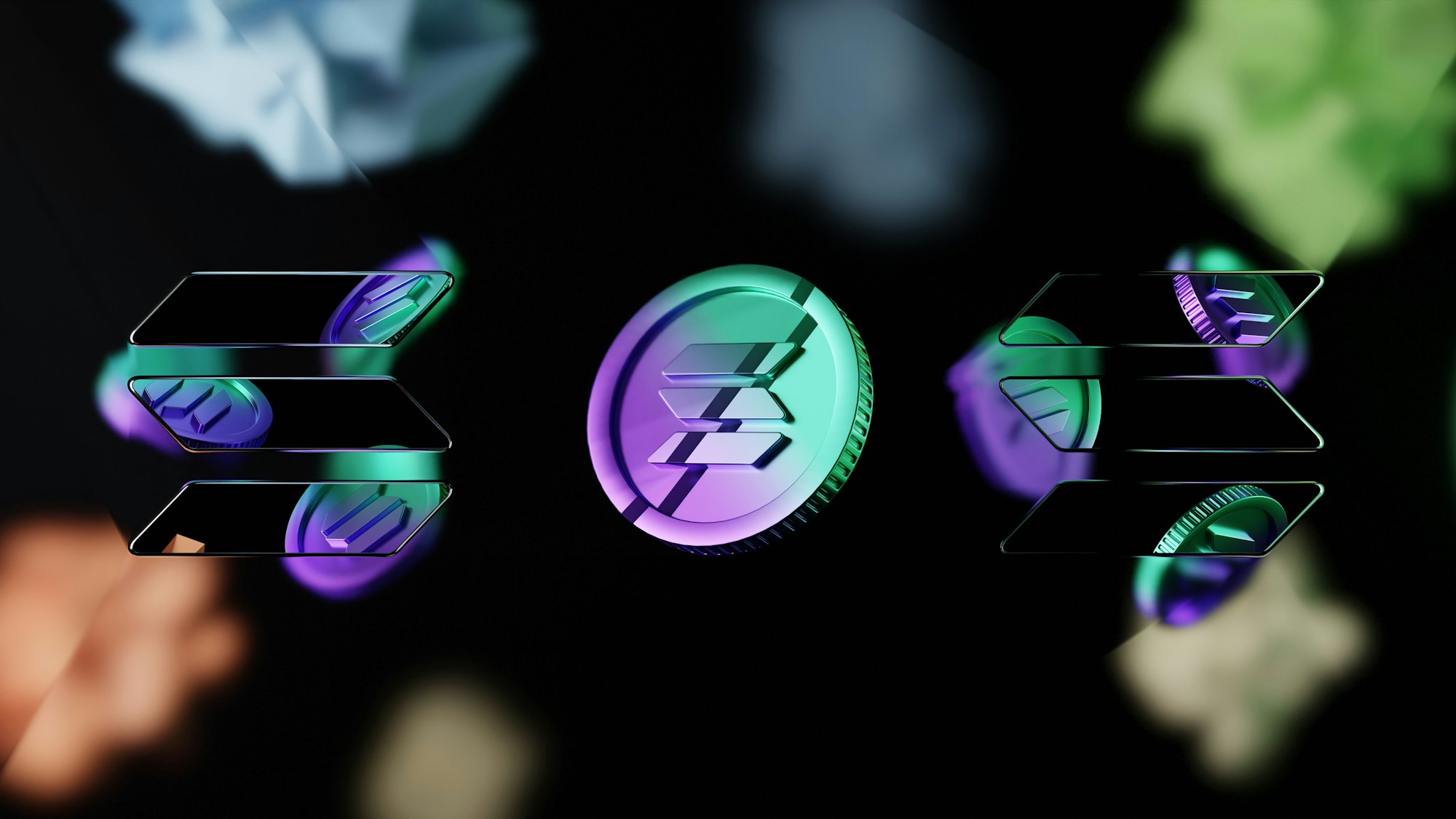
What the SKR Airdrop Actually Does
Seeker phone owners can now claim SKR directly on their devices through the Seed Vault Wallet. Once claimed, the token can be staked, used in governance, or held as users participate in the Solana Mobile ecosystem. A small amount of SOL is required for network fees, and users have 90 days to complete the claim before unclaimed tokens return to the pool.
Developers are included as well. Teams that launched approved apps in the Solana Mobile dApp Store during its first season can claim SKR through the Publishing Portal. According to Solana Mobile, this is meant to reward builders who committed early to shipping real products on a still-nascent platform.
Roughly 2 billion SKR tokens, about 20% of the fixed 10 billion supply, have been allocated to users and developers. The intent is to distribute ownership broadly, rather than concentrate it among insiders or venture backers.
Why SKR Is More Than a Reward Token
SKR sits at the center of how Solana Mobile wants its ecosystem to function. Beyond basic ownership, the token is tied to staking, governance, and app discovery inside the decentralized app store. It also connects to device-level security features through a system the company calls Guardians.
Staking is already live, allowing participants to earn rewards while taking part in ecosystem decisions. In effect, Solana Mobile is collapsing roles that are usually separate: phone owner, platform user, and network participant. That’s a meaningful departure from how traditional mobile platforms work, where users contribute data and attention but have little influence over how the system evolves.
 Oluwajeminipe Fasheun-Motesho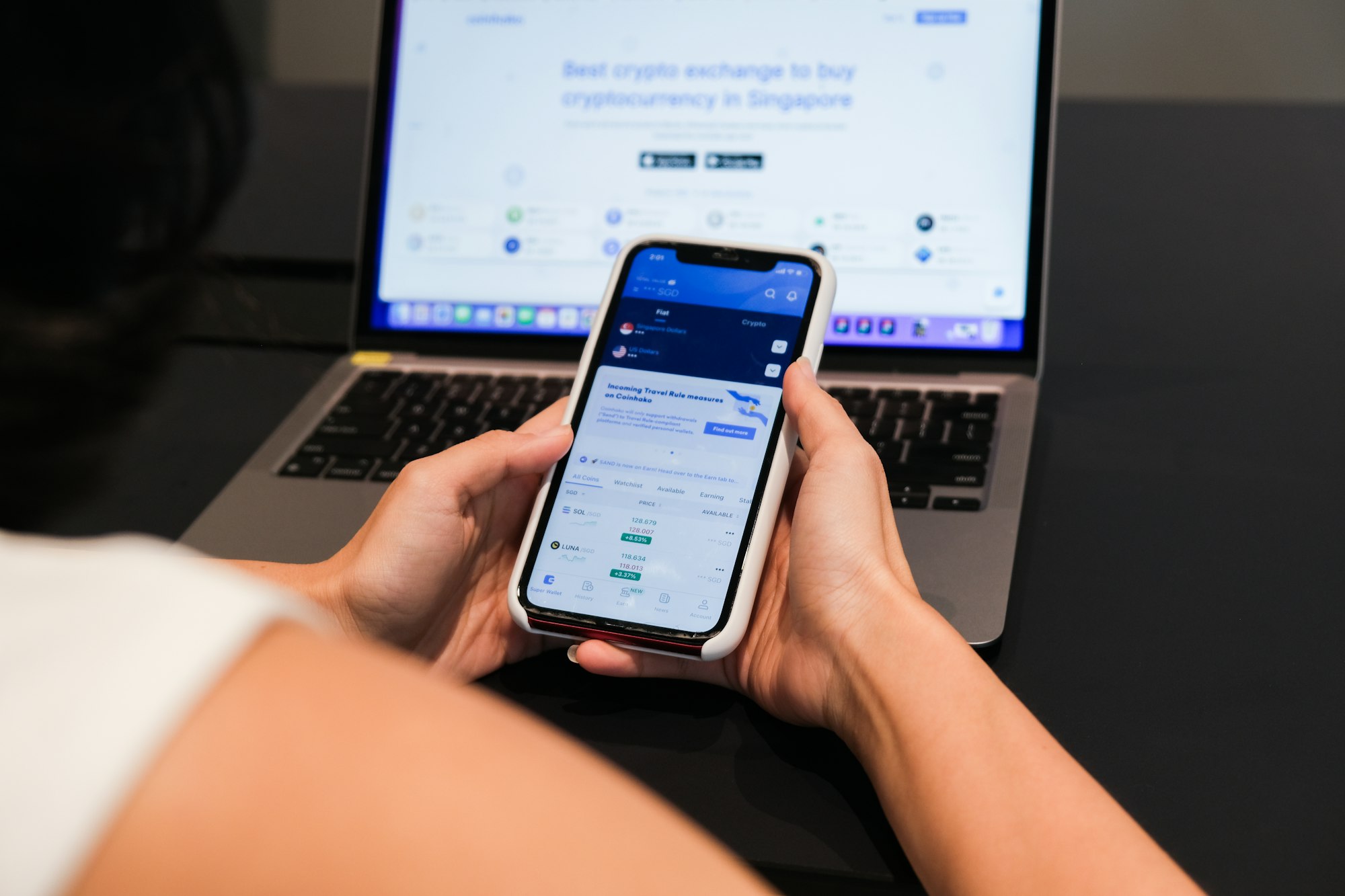
Since distribution began, SKR has become tradable across the Solana ecosystem. It's listed on decentralized exchanges such as Raydium, Jupiter, Orca, and Meteora, and is also available on centralized platforms, including Crypto.com, Bybit, KuCoin, Gate.io, and Bitget.
Early trading has been volatile, which is typical for newly issued tokens. SKR launched around one cent, placing its initial market value in the tens of millions of dollars. Solana Mobile has been careful to downplay price movements, stressing that long-term value depends on whether people actually use the ecosystem, not short-term speculation.
What Solana Mobile Is Really Testing
The SKR airdrop arrives as Solana Mobile enters Seeker Season 2, which brings new apps, incentives, and activity-based rewards. But the bigger experiment goes beyond this release.
By tying tokens, governance, and rewards directly to a physical device, Solana Mobile is asking a difficult question: do users want a deeper stake in the platforms they rely on every day, or is convenience still king?
If it works, this model could point toward a future where phones function less like locked terminals and more like user-owned networks. If it doesn’t, it'll reinforce why closed ecosystems continue to dominate. Either way, SKR is less about a token launch and more about whether crypto-native hardware can finally change how mobile platforms are built.


