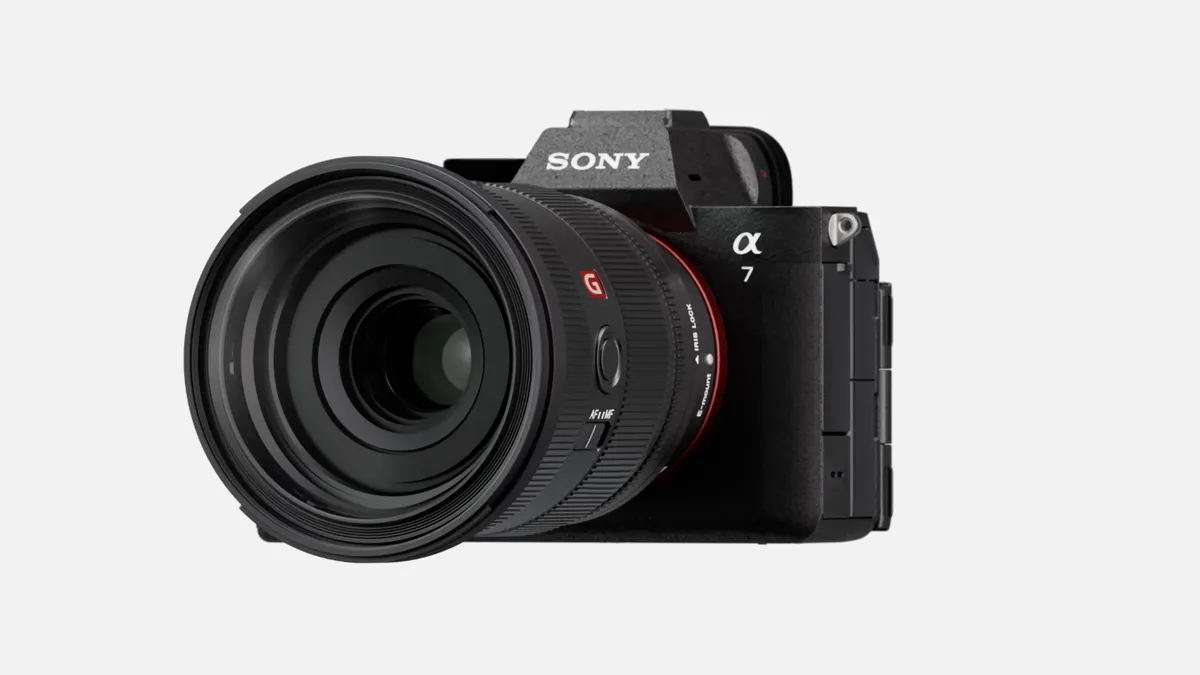
It has taken them four years, but Sony finally pulled through as it confirms the release of the Sony Alpha 7 V, the latest entry in its beloved A7 lineup, and to many, it almost feels worth the wait.
For a series that helped define the modern mirrorless camera era, every new A7 release is a moment, especially since the A7 III and A7 IV became the go-to bodies for hybrid shooters everywhere.
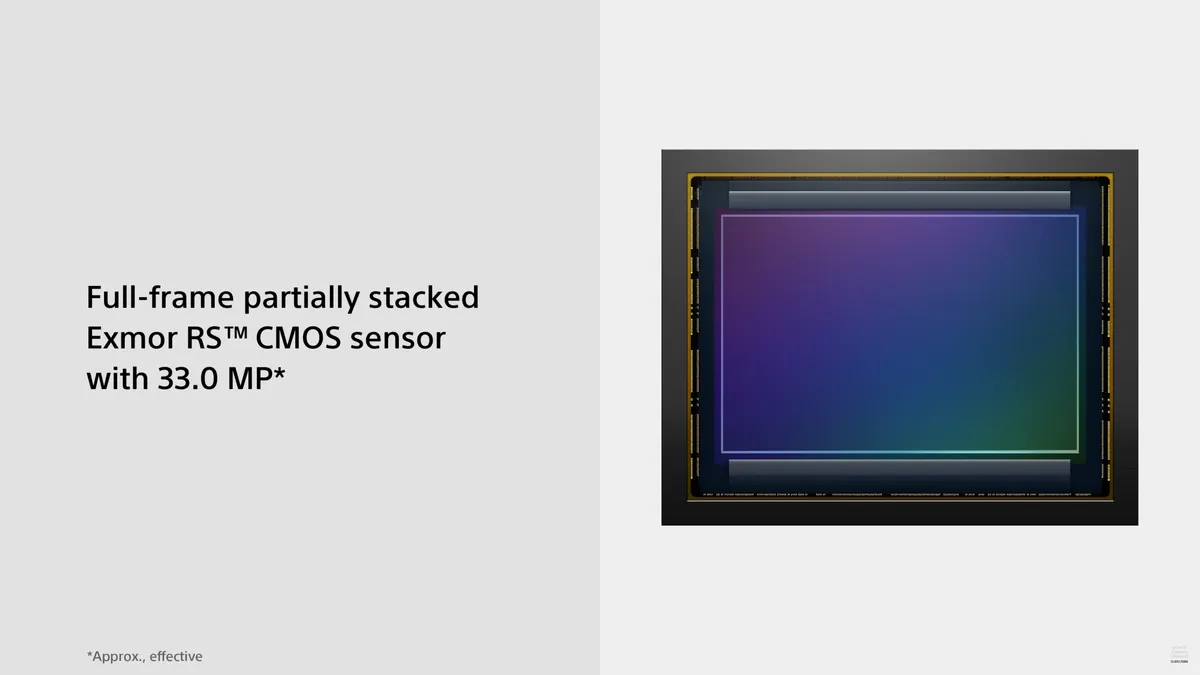
Sony’s approach this time wasn't really a complete reform. The A7 V keeps the familiar 33-megapixel resolution from the A7 IV, but this time the sensor gets a meaningful upgrade: it’s partially stacked. That might sound like marketing fluff, but in real-world terms, it basically means some of the processing circuitry is separated and stacked behind the sensor itself. This means faster readout speeds, better rolling-shutter control, and snappier autofocus, more in line with Nikon’s Z6 III and a step closer to Sony’s own higher-end A1 II.
Sony claims up to 16 stops of dynamic range here, a spec that, if accurate, puts it on safer ground than Nikon’s partially stacked sensor controversy earlier this year, where the camera delivered all the speed benefits but struggled with noticeably reduced dynamic range.
This sensor works in tandem with Sony’s new BIONZ XR2 processor, which merges the A7 IV’s dual-chip setup and AI module into a single unit. In other words, Sony is saying the new A7 V gets a 30% boost in subject recognition, improved battery efficiency, and a generally smoother shooting experience. Autofocus also gets tighter with new XS and XL AF point options, giving photographers more control when refining focus, a small but practical tweak anyone shooting portraits or products will appreciate.
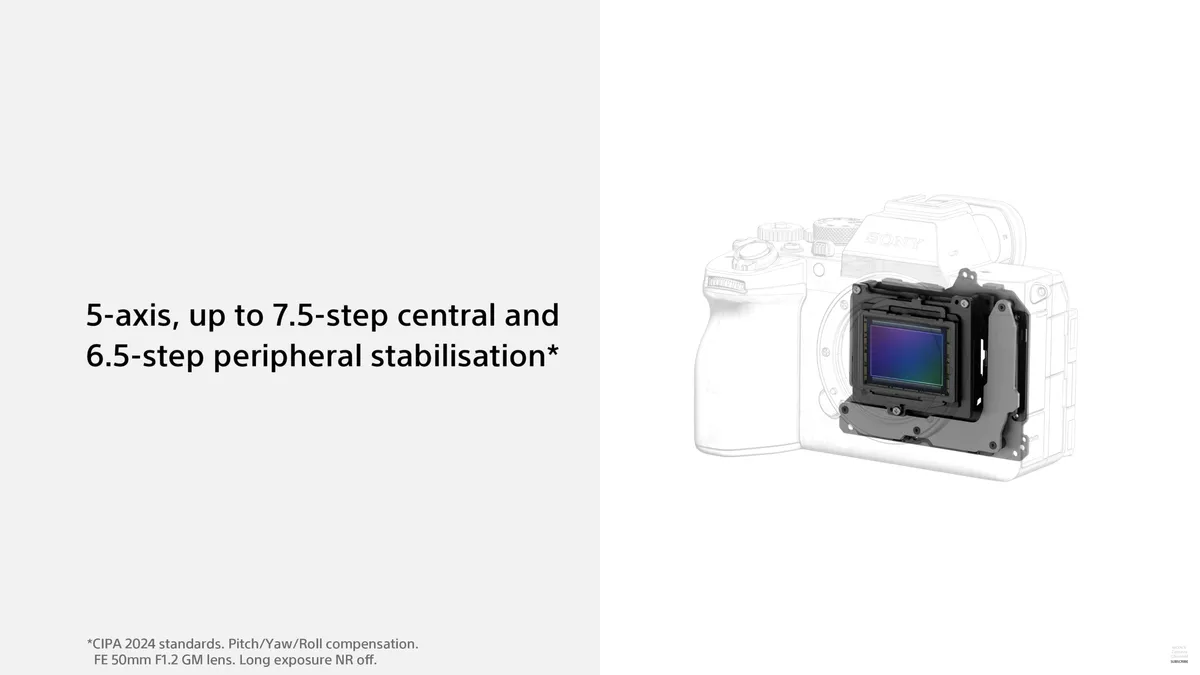
Stabilisation gets a bump too. The A7 V now offers up to 7.5 stops of In-Body Image Stabilisation (IBIS), up from 5.5 in the previous generation. It still falls slightly short of Canon’s R6 Mark III and Nikon’s Z6 III on paper, but paired with Sony’s new optically stabilised 28–70mm OSS II kit lens, most users won’t notice the gap in everyday shooting.
Video shooters also get long-requested upgrades. Oversampled 4K/60p is now full-frame (no more heavy 1.5x crop), and 4K/120p, though cropped, finally arrives on the A7 line. Add better thermal performance, and Sony’s excellent multi-directional articulating screen, and the A7 V edges closer to being the true one-camera-does-everything body many creators have been asking for.
Naturally, all this tech comes at a price. The A7 V starts shipping on December 18th, and since Sony is calling it an ‘entry-level professional’ camera, the $2,899 body-only tag shouldn’t surprise anyone. It’s pricier than the Nikon Z6 III and Canon R6 Mark III at $2,097$ and $2,799$, respectively, but Sony’s massive lens ecosystem still gives it an edge for long-term users.
So while this isn’t a dramatic reinvention, the A7 V feels like a thoughtfully refined step forward, one that keeps Sony comfortably in the conversation as hybrid shooters look for their next serious upgrade.
 Louis Eriakha