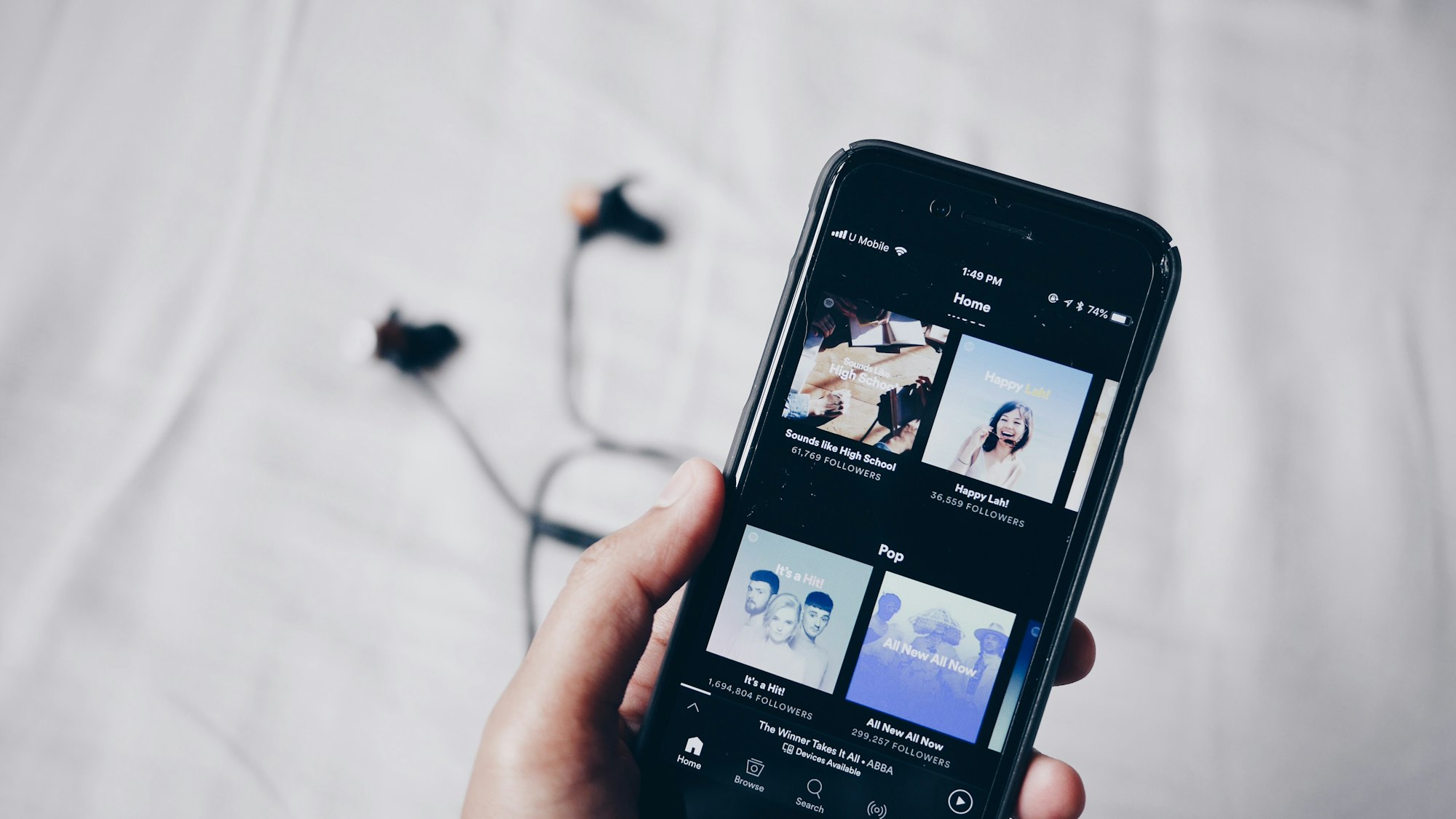
A new class-action lawsuit has brought Spotify’s long-standing streaming fraud problem into the federal spotlight. What makes this case even more striking is that it uses data tied to one of the world’s biggest artists, Drake, to make its point.
Filed on November 2 in California, the lawsuit accuses Spotify of “turning a blind eye” to bot-driven streaming activity that inflated play counts for certain artists, distorting how royalties are shared across the platform. The filing claims that this manipulation, essentially fake streams generated through networks of bots and VPNs, causes “massive financial harm” to legitimate artists who rely on accurate data to earn their fair share.
Leading the case is rapper RBX, representing a group of artists who say their streaming income has been unfairly diluted. The suit doesn’t accuse Drake himself of any wrongdoing but uses his streaming data to illustrate how widespread and unchecked the issue may be. According to the filing, a “non-trivial percentage” of Drake’s 37 billion Spotify streams were traced to suspicious accounts, including 250,000 plays of his 2024 track No Face that appeared to originate in the UK but were actually logged in Turkey.
 Emmanuel Umahi
If these claims hold, the lawsuit argues, this kind of “fraudulent boosting” could have redirected hundreds of millions of dollars in royalties that should have gone to other artists. Spotify, for its part, denies any negligence. The company says it “heavily invests in best-in-class systems to detect and remove fake streams,” citing a 2024 case where it limited a fraudulent artist’s fake-royalty take to just $60,000 out of a potential $10 million (via Pitchfork). Spotify also insists it doesn't benefit from streaming fraud.
Still, the lawsuit raises a deeper question—whether Spotify’s royalty model, which is based on total streaming volume, unintentionally rewards inflated play counts. Higher numbers could make the platform’s metrics look stronger to advertisers and investors, even if some of those streams are fake. Drake, ironically, has also found himself on both sides of this debate. Earlier this year, he filed his own lawsuit against Universal Music Group, accusing the label of using bots to artificially boost Kendrick Lamar’s Not Like Us.
The Takeaway
The bigger story isn’t about Drake or Spotify, but the future of fairness in streaming. As bots blur the line between real and artificial success, this lawsuit tests whether platforms built on algorithms can truly claim to be built for artists.
 Emmanuel Umahi