



Internet demand in Nigeria is climbing at a pace that the networks struggle to keep up with. The country has over 160 million active internet subscriptions, yet broadband penetration still sits at around 48%, according to NCC data.
In crowded cities like Lagos and Abuja, internet service providers are already feeling the strain of demand on their limited infrastructure. Even the satellite internet service, Starlink, is caught in this struggle.
As a result, Starlink has now paused new orders in some of these areas after its satellite network hit capacity, according to recent reports.
As seen on the company's website, in areas such as Victoria Island, Ikoyi, Lagos Island, Surulere, and Chevronville Estate in Lekki, new customers now face a waitlist and are unable to register new devices. Instead of a quick sign-up, they are told to pay a deposit and wait until space opens up. For many households that saw Starlink as the only reliable option, this pause feels familiar. Late in 2024, the company suspended sales nationwide while dealing with limited resources and seeking regulatory approval.
Engineers say these pauses are necessary to protect service quality. If too many people join at once, everyone’s connection slows down. The real fix often requires more satellites in space or extra approval from regulators on the ground. Until then, families and small businesses are left waiting.
The experience is made harder by rising costs. When Starlink first launched in Nigeria, subscriptions were around ₦38,000 a month. By 2025, the fee had climbed to about ₦56,000. The company blamed currency devaluation, higher operating costs, and new compliance rules. The increases triggered complaints and slowed new activations. In fact, Starlink recorded its first drop in Nigerian subscribers in early 2025, losing over six thousand users in just three months as many switched to cheaper local providers or dropped off entirely.
This challenge is not limited to Nigeria. In Kenya, Starlink froze new sign-ups in Nairobi and neighbouring counties in November 2024 after subscriptions more than doubled in just three months, rising from about 8,000 in June to nearly 17,000 by September. The pause lasted until June 2025, when new ground infrastructure allowed service to resume. Similar freezes were reported in Zambia’s Lusaka and Ghana’s Accra, while Harare in Zimbabwe still faces restrictions. These cases highlight how quickly the system strains whenever demand outpaces the satellites and ground stations available in a region.
 Kelechi Edeh
Globally, the problem comes back to limited capacity. Starlink recently crossed 7 million users worldwide, a huge milestone, but one that its satellite fleet is struggling to support. Think of it like a stadium with a fixed number of seats. As more fans rush in, there’s simply no room left, no matter how much they’re willing to pay for a ticket. Starlink has launched more than 7,600 satellites, with ambitions to hit 42,000, yet only a fraction of that network covers any one region at a time. When too many people in cities like Lagos or Nairobi try to connect, the system slows down and new sign-ups are blocked until bottlenecks are cleared.
 Ogbonda Chivumnovu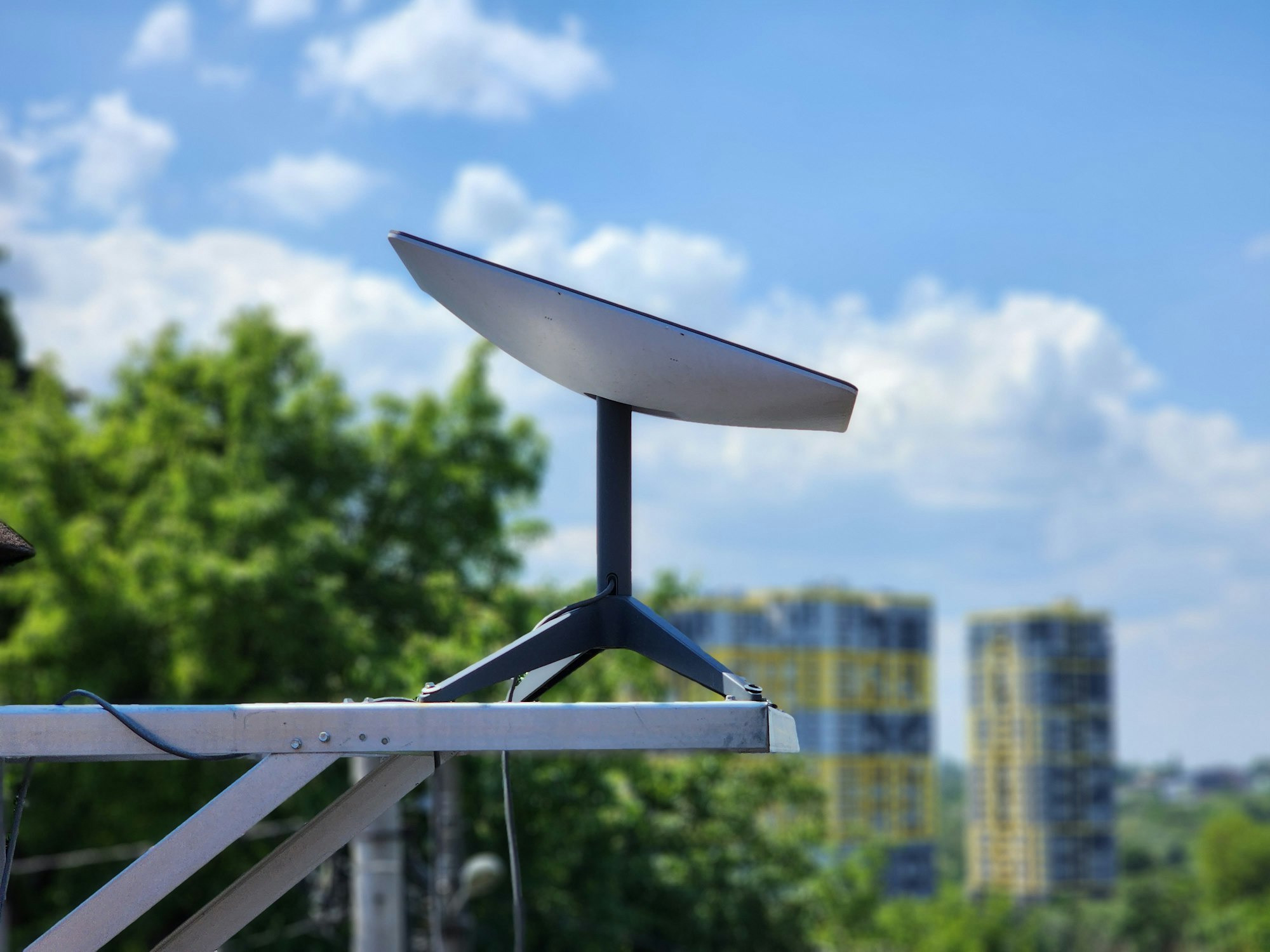
For Nigeria, this pause shows both promise and limits. The service has proved there is a strong demand for fast internet, even at a premium price. Yet without larger investment and stronger local infrastructure, these cycles of high demand, rising prices, and forced waiting will keep repeating. Starlink opened the door, but sustaining reliable access in crowded cities may take far more than satellites alone.


