



A campus commute can be only three miles long and still feel demanding. Add half a dozen traffic lights, crowded paths, broken pavement, and a backpack that gets heavier as the day goes on, and outright speed quickly becomes less important. For this kind of route, an e-bike needs to deliver power without surging, slow down predictably, and carry everyday gear without putting all of it on the rider’s shoulders.
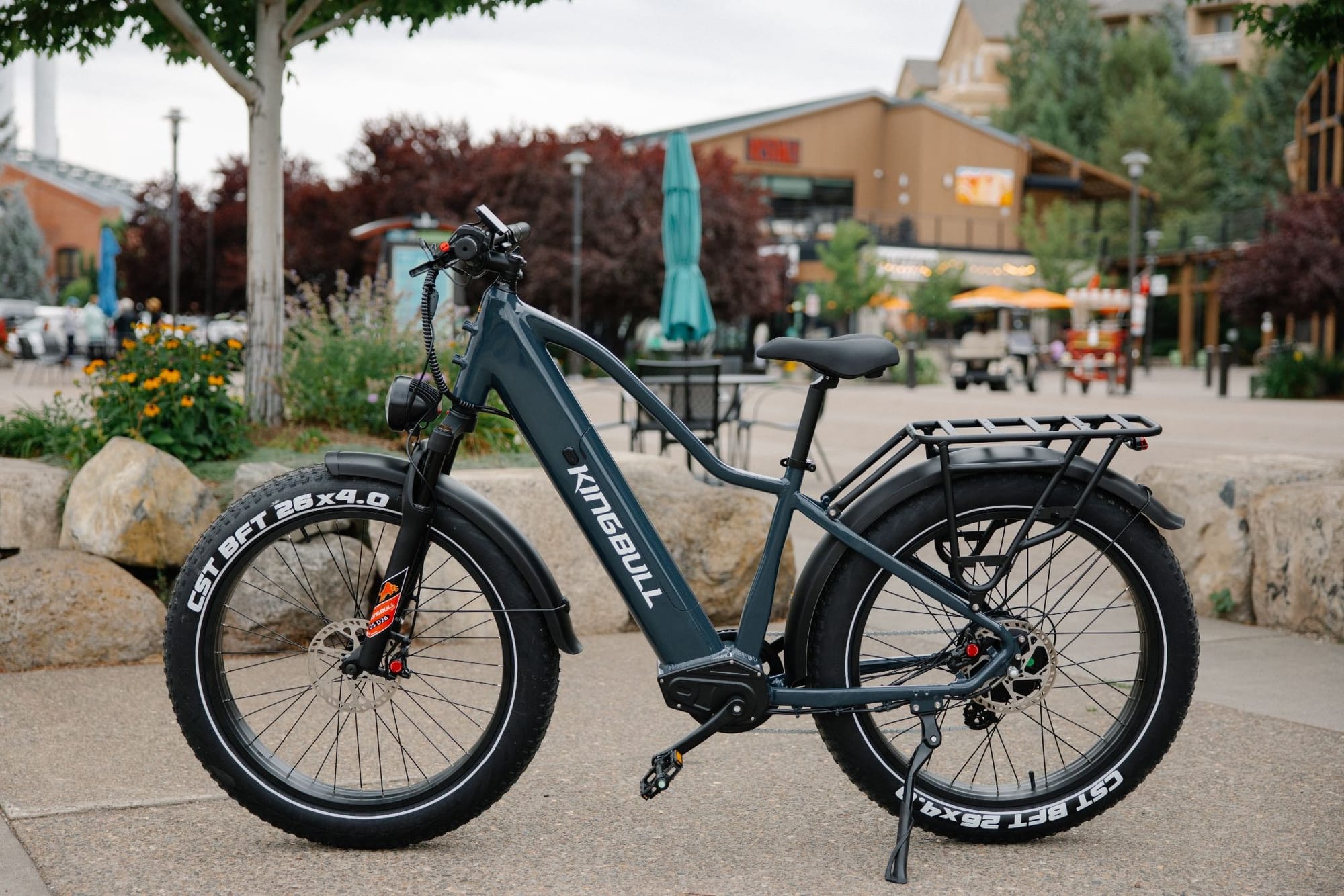
The Kingbull Discover 2.0 is priced at $1,119 during Kingbull’s Back-to-School Sale, running from August 20 through September 3. It is a full-size fat-tire bike with a 750W Bafang rear hub motor, up to 80Nm of torque and a 720Wh Samsung battery. Those are solid numbers, though the torque sensor may be the more useful feature for everyday commuting.
Instead of simply switching the motor on when the pedals begin turning, the sensor adjusts assistance according to how much pressure the rider applies. A gentle push produces restrained support, while harder pedaling calls for more from the motor. That should make the Discover 2.0 easier to manage around pedestrians, tight corners, and traffic lights, where abrupt power delivery can be more annoying than helpful.
A twist throttle offers another way to get the 77-pound bike moving, especially when there is weight on the rear rack. Throttle speed is limited to 20 mph, which is also the bike’s default maximum setting. Pedal-assist speed can be adjusted as high as 28 mph, but riders should check local and campus regulations before changing it. Depending on the area, that higher setting may affect the bike’s legal classification.
Kingbull pairs the motor with dual-piston hydraulic disc brakes and 180mm rotors. Hydraulic brakes generally require less hand effort than mechanical ones, a welcome quality on a route that involves regular slowing and sudden activity around crosswalks. The 26-by-4-inch tires provide a broad contact patch for wet streets, gravel and cracked pavement, while the front suspension helps absorb the sharper impacts. The tradeoff is familiar to most fat-tire bikes: the large tires add stability and comfort, but they also contribute to the bike’s overall size and weight.
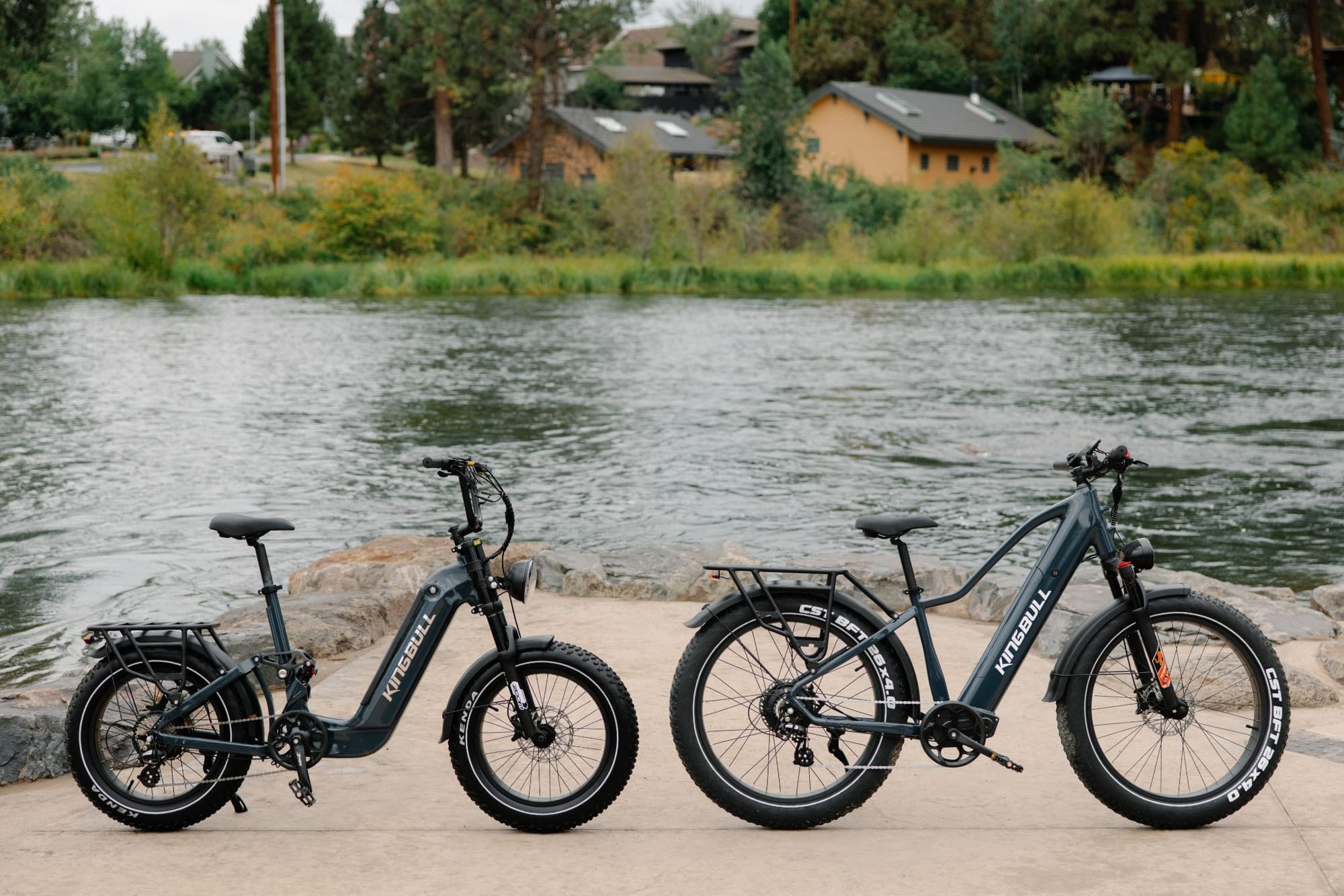
The Discover 2.0 is better prepared for carrying daily gear than many basic commuter bikes. Its total payload rating is 400 pounds, and the aluminum rear rack is rated for 150 pounds. Panniers would keep a laptop, books or groceries off the rider’s back, while the integrated lights and fenders are useful for early classes and damp morning rides. Kingbull rates the battery for up to 60 miles under ideal conditions. Hills, weather, assistance level and rider weight will reduce that figure, but a short daily commute should leave some flexibility between charges.
Weight is the main limitation to consider. At 77 pounds, this is not a bike most people will want to carry up several flights of stairs or lift into a dorm room every evening. It also uses a traditional high-step frame with a listed standover height of 32.7 inches. Riders who need easier mounting should look at the Discover ST 2.0 instead. Secure ground-level storage, a garage or a proper bike room will suit the standard Discover 2.0 far better than an upstairs apartment without an elevator.
That makes storage and rider fit just as important as the motor specifications. For someone who has a safe place to park it, the Discover 2.0 brings together responsive pedal assistance, dependable braking and enough carrying capacity for the less glamorous parts of a school or workday. Its appeal at $1,119 is straightforward: it is built to handle the interruptions, extra bags and rough patches that turn a short commute into a real one.


