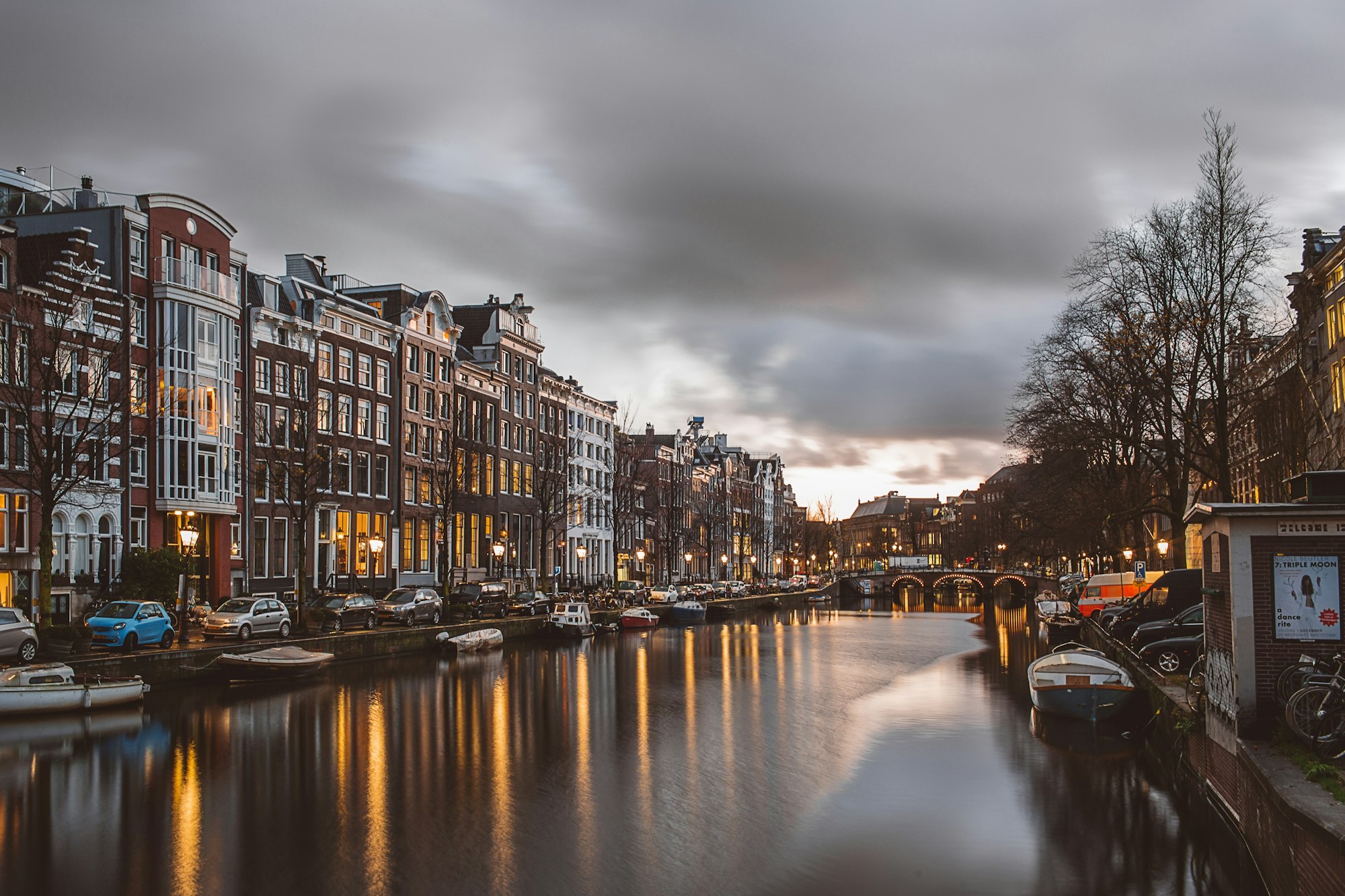
So, you’ve landed the dream offer: a tech job in the "Venice of the North". Congrats! Your visa is approved, the plane tickets are booked, and the reality of starting a new life is setting in. Now what?
The Netherlands is consistently ranked as a top global tech hub, known for innovation, a high quality of life, and being incredibly welcoming to English speakers. Amsterdam leads the pack, but cities like Eindhoven, Rotterdam, and Utrecht are also seeing major growth in tech opportunities.
This guide breaks down the financial and practical realities you need to know right now, especially since you’ve already got that job offer in hand.
 David Adubiina
1. Visa / Work Permit
For foreign tech professionals who are not in the EU/EEA, your primary route is the Highly Skilled Migrant (HSM) visa, which serves as your residence and work permit.
This is an employer-sponsored visa, meaning your company must apply on your behalf. Importantly, your employer must be an acknowledged sponsor by the Dutch Immigration and Naturalisation Service (IND), as only recognised sponsors can initiate the application process. Because it’s employer-driven, the process is relatively fast. Once submitted, the IND typically makes a decision within 2 to 4 weeks, making it one of the quickest relocation procedures in Europe. The permit you receive covers both your entry visa (MVV, if required) and your final residence permit, and is valid for up to five years.
Another key advantage is its flexibility. If your employment ends, the permit grants you a three-month search period to find a new job with another recognised sponsor. Your immediate family can also join you under the same simplified and accelerated process, and your partner usually receives an unrestricted work permit.
The IND application fee is about €405 (as of early 2025), though many companies choose to cover this cost.
But to even qualify for this visa, your salary must meet the gross monthly thresholds for 2025. For a snapshot of 2025, the gross monthly salary requirements are key:
- If you're aged 30 or over, you'll generally need to clear about €5,688 per month.
- If you’re under 30, that threshold drops to around €4,171.
- And for recent graduates, it’s even lower at about €2,989.
Once you arrive, remember to register your residence (BRP) with your local municipality and get your BSN number, both are required for work, taxes, and healthcare.
2. Tax Requirements and the 30% Ruling
The Money Hack: The 30% Ruling
If your salary clears those hurdles, you need to ask about the 30% Ruling. This is a massive tax advantage designed to compensate international employees for relocation costs, and it’s the reason the Netherlands' offers look so competitive.
If you qualify, up to 30% of your gross salary can be paid to you tax-free for a maximum of five years. This dramatically boosts your net take-home pay.
But it should be stated that this will change soon. From January 1, 2027, the government is reducing this to 27%. In other words, if you start using the 30% ruling now, by 2027, that's getting cut to 27%, which is still a huge benefit for the first couple of years.
 Ogbonda Chivumnovu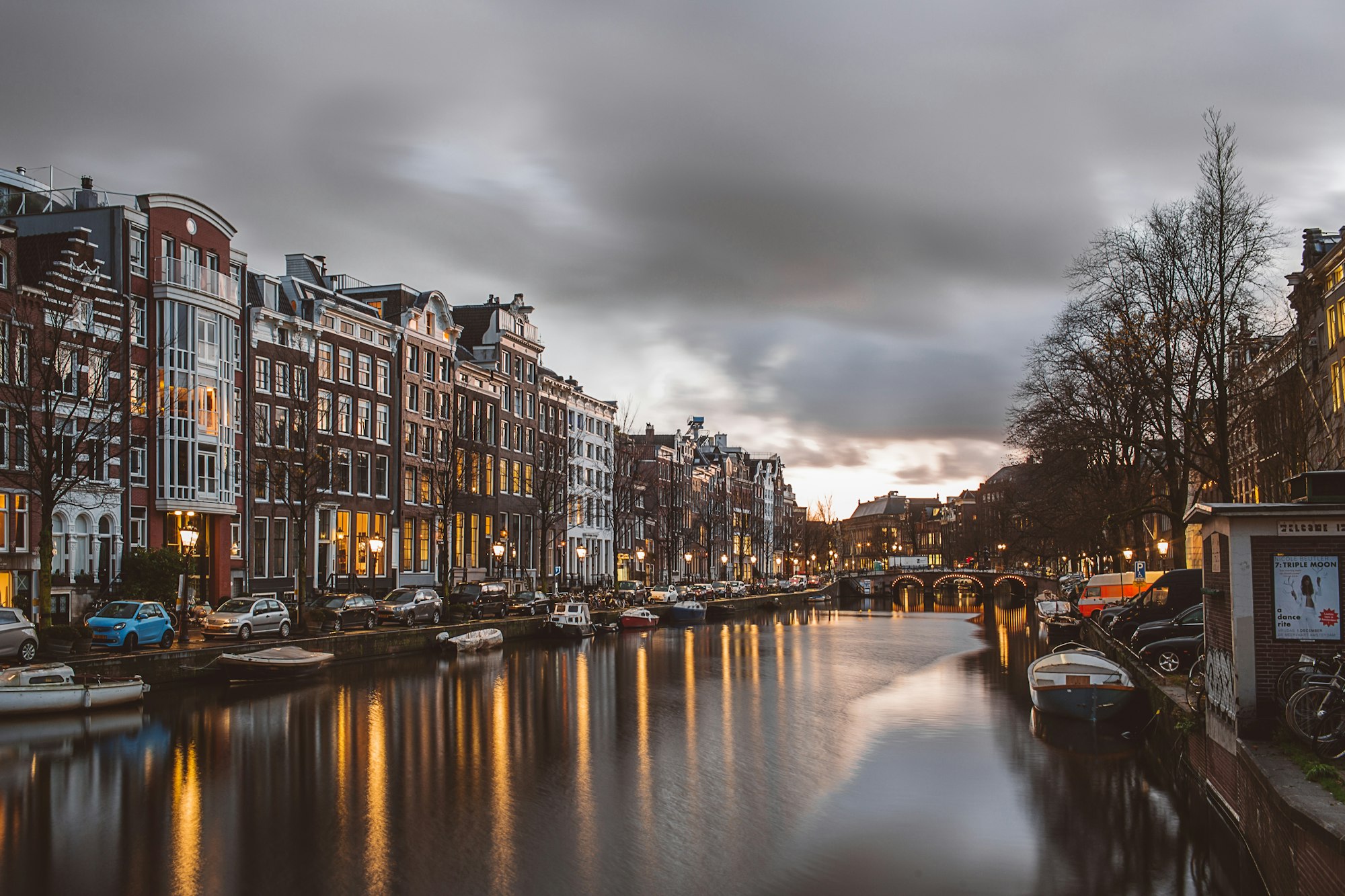
3. What Your Tech Salary Really Looks Like
Now that we know the tax ruling is on your side, let's talk about what you're actually earning.
The Dutch tech market is growing fast, with high demand for skills in AI, Data Science, Software Engineering, and Cybersecurity. Salaries are excellent by European standards.
For example, the average annual gross salary for a Software Engineer typically falls between €52,000 and €65,000 according to Glassdoor. Data roles often start slightly higher: an average Data Scientist can expect a gross annual salary between €65,000 and €85,000, and an average Data Engineer between €60,000 and €80,000. For reference, a Data Analyst often falls lower, typically in the €50,000 to €65,000 range.
Highly compensated positions, such as Senior, Lead, or specialised roles at major international companies, can command significantly more, often ranging from €76,000 up to €120,000+ across all these tech disciplines.
You might see higher gross numbers in places like Silicon Valley, but remember to calculate your net income with the 30% ruling applied. That tax break is your ace in the hole, often making a Dutch net salary significantly more powerful than you’d initially expect.
4. Cost of Living (Rent and Other Utilities)
Okay, let's get down to brass tacks: the Netherlands is expensive. It offers a great lifestyle, but according to Relocate.me, it is the 9th most expensive country in Europe.
When moving, the biggest challenge you'll face is housing, which will dominate your budget. If you’re looking for a one-bedroom apartment in somewhere like Amsterdam, prepare for steep costs. According to Relocate.me:
- Outside the city centre: rent typically starts around €1,694 for a single-bedroom apartment.
- In the city centre, rent averages around €2,041, and can get a lot more expensive if you're going for more rooms.
To save money and find better availability, you can look beyond Amsterdam. Cities like Utrecht, Rotterdam, and Eindhoven also offer robust tech ecosystems and significantly more manageable rents with the cost of a single room in most other states ranging.
Rent for a single room in a shared apartment in cities outside of Amsterdam can sometimes be found for as low as €350, but more commonly ranges from €400 to €1,000 a month. However, for a fully private setup like a self-contained one-bedroom apartment, expect to budget within a much higher range, typically between €1,200 and €1,700 a month.
Little piece of advice for if you work in Amsterdam, you may need to look at popular, well-connected areas just outside the A10 ring road, like Amstelveen, Diemen, or Zaandam. These spots offer a bit more space for your money and are only a short tram or bike ride away from the action.
But beyond rent, your non-negotiable costs add up quickly. Factor in another €250 to €350 for utilities (gas, water, electricity, internet, and mobile). Groceries will run you about €250 to €350 monthly.
And remember, health insurance is mandatory for all residents and costs between €120 and €150 per month. A single person could spend up to €3,114 a month in Amsterdam, but that total drops to the €2,000 - €2,500 range in cities like Rotterdam or Eindhoven.
Another little money saving tip for when you want to start life in Amsterdam, consider investing in a decent second-hand bicycle and forget the public transport pass (about €100 a month). It’s arguably the cheapest, fastest, and most Dutch way to get around, and you’ll get in those extra steps for the day.
5. Healthcare and Insurance
Health insurance is mandatory for everyone living in the Netherlands. You’ll need to sign up with a Dutch insurer as soon as you arrive.
Costs typically range between €120 and €150 per month, depending on your provider and coverage. This basic insurance covers general practitioners, hospital care, and prescriptions, while employers sometimes help cover part of the cost.
6. Language and Cultural Knowledge
Forget stressing about the language barrier; nearly all Dutch people speak excellent English. You can easily live, work, and socialise in English.
While learning a few basic Dutch phrases is a nice gesture (and helpful for paperwork), your professional life will mostly be seamless.
The work culture is generally informal and direct. Your employer cares about your output, not about you sitting at your desk until 8 PM. Flexible hours and hybrid work models are completely standard. Plus, you can expect around 25 days of paid holiday per year in the tech industry.
Afterwards, you’ll experience the famous Dutch borrel (after-work drinks) — a relaxed, informal way to socialise with colleagues.
7. Your Tech Ecosystem
Amsterdam is a true tech magnet with European headquarters for giants like Netflix, Uber, and Tesla, alongside a bursting startup ecosystem.
The ecosystem is supportive, well-funded, and always on the lookout for talent. Make sure to go to local meetups and industry conferences to tap into this network.
Conclusion
In short, moving to Amsterdam, or anywhere in the Netherlands, for a tech job means accepting the trade-off of expensive rent for a considerably higher net salary (thanks to the 30% ruling), excellent career opportunities, and a quality of life that’s matched by very few other global hubs.
It just might be time to schedule that flight and buy your first bike.
 Ogbonda Chivumnovu