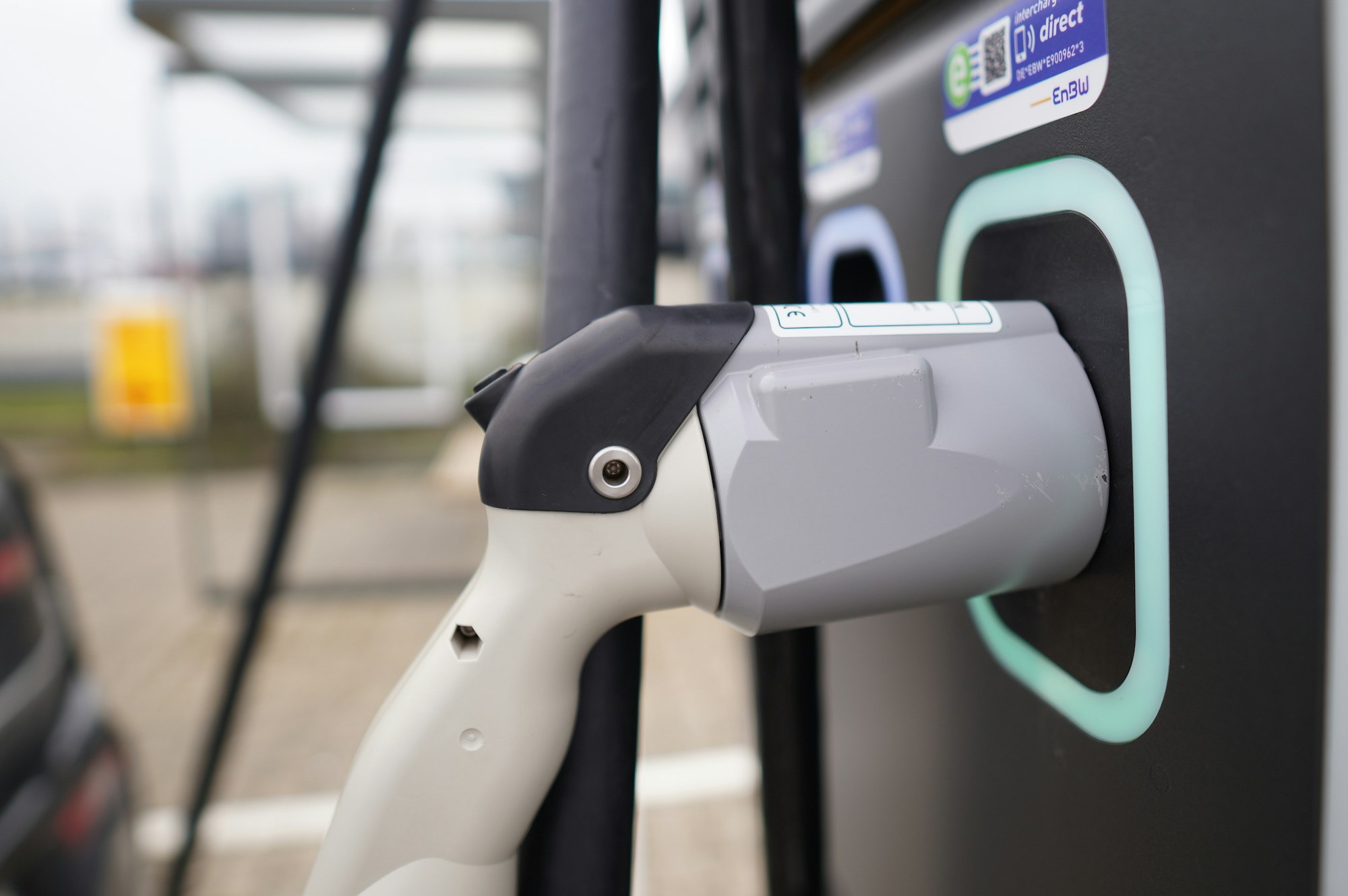
- What sets EVs apart now is how they balance range, comfort, technology, performance, and price.
- Charging speed remains a key advantage across most EVs.
- Choosing an EV today depends on lifestyle needs rather than simply being electric.
Electric vehicles aren’t trying to prove themselves anymore. In the third quarter of 2025, battery-electric vehicles (BEVs) accounted for more than one in five new car sales worldwide, a clear signal that consumers have moved beyond early adoption. With nearly 758 distinct models now available globally, according to International Energy Agency, the challenge for buyers is no longer finding an electric car, but choosing the right one.
Today’s leaders separate themselves by mastering a difficult balance: offering usable range (now averaging over 300 miles in the premium segment), rapid charging (with 200+ kW peak speeds becoming common), and everyday livability, all at a competitive price.
This year’s standout models reflect that maturity. They are diverse, capable, and designed for specific lifestyles, not just as alternatives to gasoline. The vehicles below showcase the best of what today’s EV market offers, each excelling in its own way.
MORE INSIGHTS ON THIS TOPIC:
- Global EV sales hit record high in Q3 2025 as China and Europe drive a rapid market shift
- CHART: The Top-Selling Battery Electric Vehicle (BEV) Brands in Q3 2023
- Global EV sales to reach 11.6 million in 2024
/1. Tesla Model Y Premium
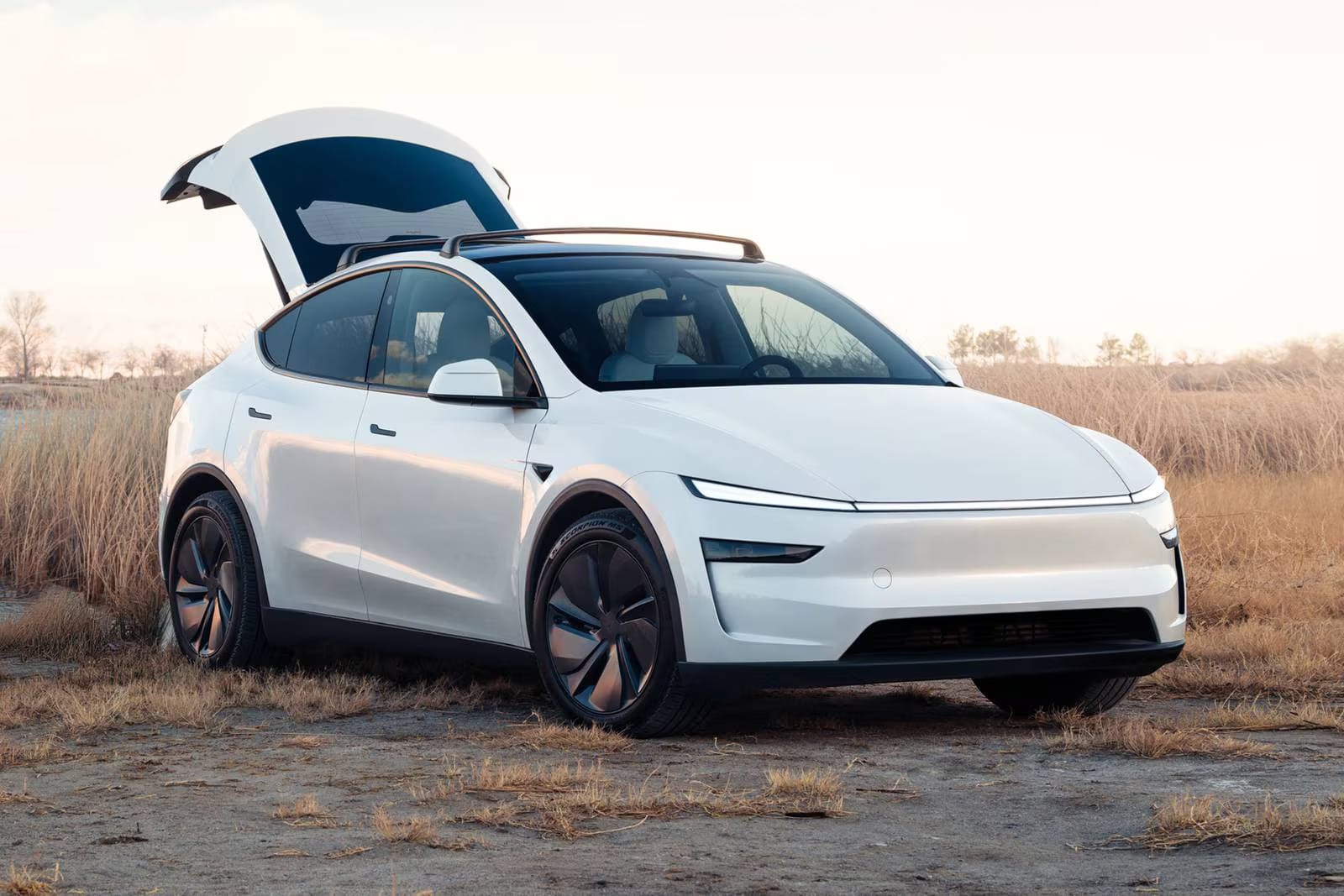
Tesla’s enduring advantage is its vertically integrated ecosystem, and the Model Y’s battery is the heart of it. Starting around $44,990, it uses batteries with a refined nickel-cobalt-aluminum (NCA) chemistry, known for its high energy density.
Tesla packages these cells in its innovative structural battery pack, where the cells themselves become a stressed member of the chassis. This saves significant weight and increases rigidity, which directly translates into the efficiency that lets the base model achieve an EPA-estimated 321 miles.
The real technological cornerstone, however, is Tesla’s proprietary thermal management system. A network of liquid-cooling loops blankets the battery pack, managed by software that is constantly learning. On a cold morning, if you set a Supercharger as your destination, the car will proactively use the motors to generate waste heat, warming the battery to its ideal 40-50°C (104-122°F) charging temperature before you arrive.
This "preconditioning" is why the Model Y can consistently add up to 182 miles of range in 15 minutes, a level of predictable, high-speed replenishment that remains its most formidable feature. This obsessive focus on battery climate control also pays dividends in longevity, helping to explain the strong data on long-term degradation that gives owners confidence.
/2. Kia EV9
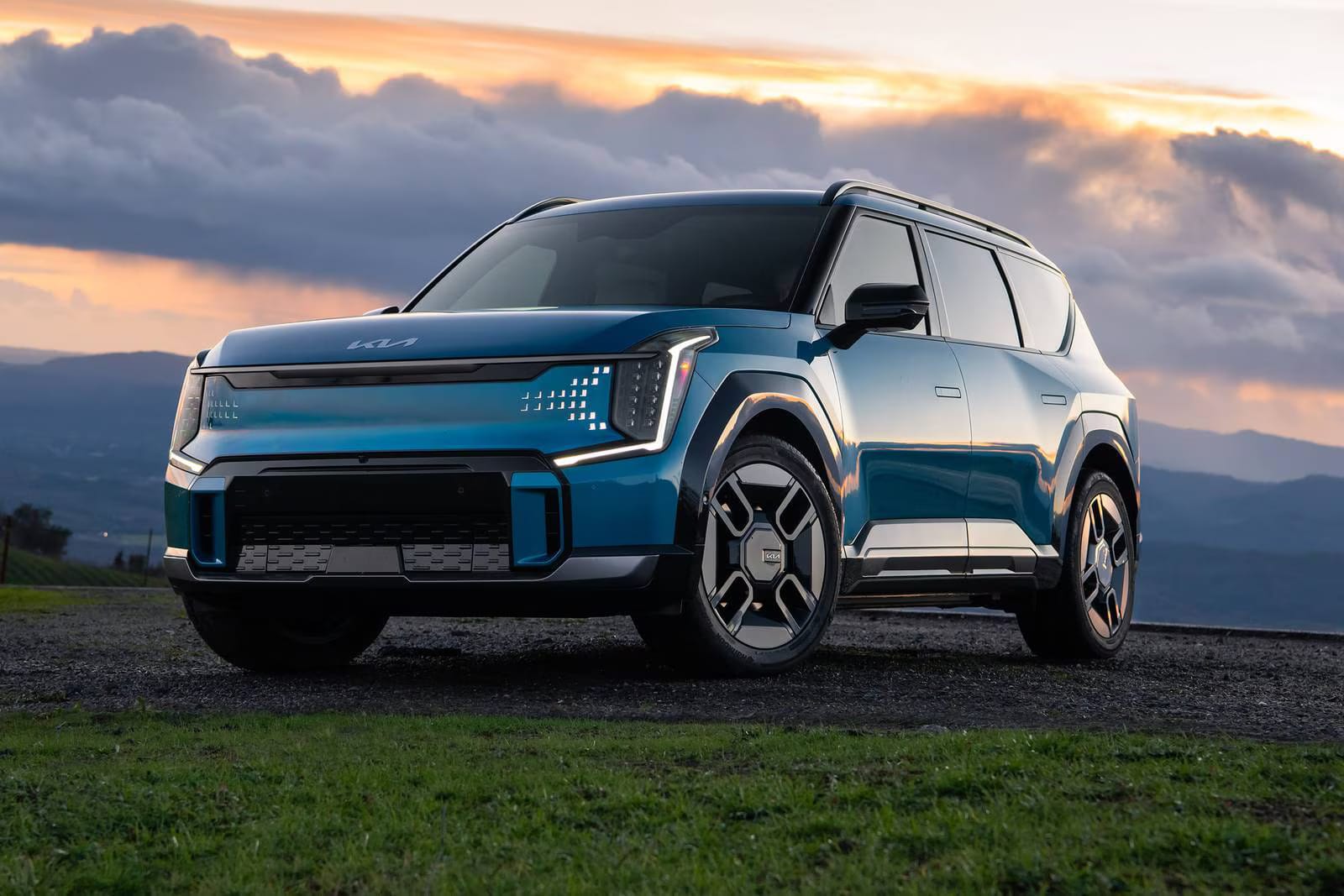
The Kia EV9, starting around $56,395, takes a bold technological path with its 800-volt electrical architecture. For a large, three-row SUV, this is a game-changer. While standard 400-volt systems must push incredibly high electrical current to charge quickly, generating substantial heat, the 800-volt system effectively halves the current needed for the same power. This means less stress, less heat, and more stable, high-speed charging.
The EV9’s lithium-ion polymer battery uses a nickel-cobalt-manganese (NCM) chemistry, and its 304-mile EPA estimate for the Long Range model is impressive. Yet, its true breakthrough is the ability to sustain a 230-kW charging rate, adding roughly 100 miles of range in about 13 minutes under ideal conditions. This turns a bathroom break into a meaningful recharge.
Kia complements this with a standard heat pump system that is exceptionally effective in cold weather. Instead of solely relying on battery power to generate cabin heat, it scavenges waste heat from the motors and electronics. This efficiency preserves battery charge for driving, meaning more of that 304-mile rating is available on a frosty day. It’s a holistic approach where the battery, charging system, and climate control are designed as one unit, making a large electric family car genuinely practical for all seasons.
 Kelechi Edeh
/3. Porsche Taycan
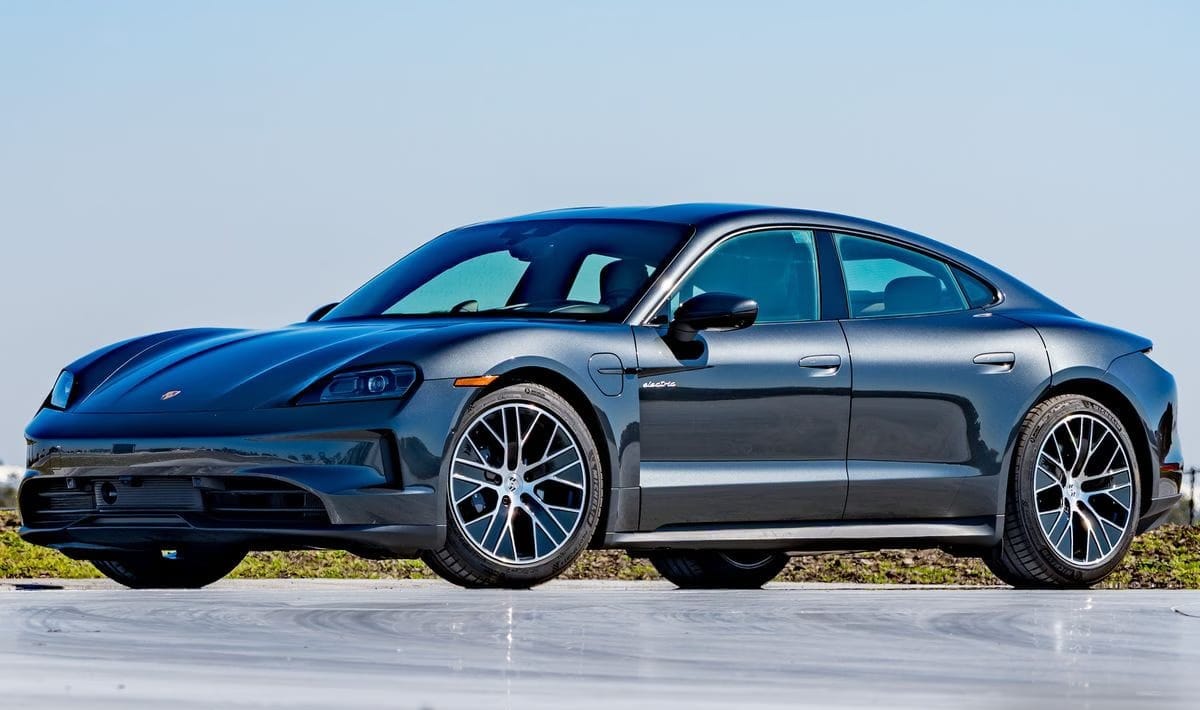
Porsche engineered the Taycan’s battery, starting around $101,700, to be an anvil that can withstand the repeated hammer blows of performance driving. It uses a performance-grade nickel-cobalt-manganese (NCM) chemistry arranged in a unique “pouch” cell format. Unlike rigid cylindrical cells, these flat pouches allow for superior cooling surface area.
A complex, dual-circuit thermal management system bathes the pack in coolant, ensuring that even after multiple maximum-power launches, the battery temperature remains in a safe, high-performance window without throttling power.
For 2025, Porsche introduced a larger 97.0-kWh Performance Battery Plus, which uses a revised cell chemistry for greater energy density, boosting range to up to 318 miles. The masterpiece, however, is its charging prowess. The advanced thermal system allows the Taycan to accept its peak 327-kW charging rate for an remarkably long time. In a real-world test, it soared from 10% to 80% state-of-charge in just 17 minutes.
This combination transforms the Taycan’s capability; it is no longer a short-range sprinter but a true Gran Turismo that can devour hundreds of miles, charge in the time it takes for a leisurely lunch and do it all over again.
 Ogbonda Chivumnovu
/4. Hyundai Ioniq 5
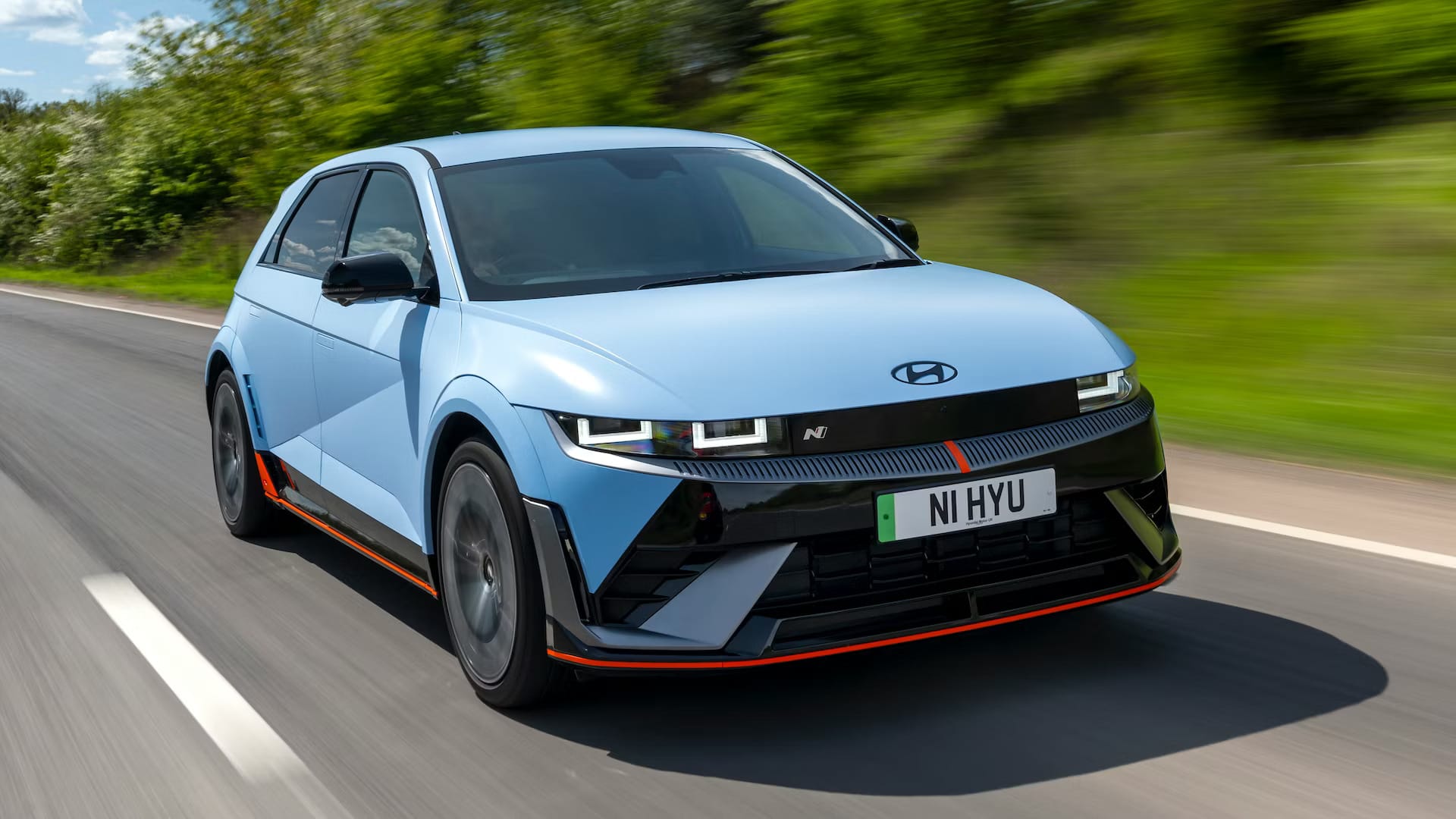
The Hyundai Ioniq 5, starting around $41,800, brought 800-volt technology to the mainstream mass-market. Its battery pack uses a lithium-ion polymer chemistry with a nickel-cobalt-manganese (NCM) cathode, but the star is the overall architecture.
By operating at 800 volts, the system drastically reduces electrical resistance (heat loss) during high-power transfers. This means the Ioniq 5 can achieve a remarkably flat fast-charging curve, holding near its peak 235-kW rate deep into the charging cycle. The result is reliable, ultra-fast top-ups: from 10% to 80% in about 18 minutes is a common real-world result.
For 2025, the pack capacity increased to 84.0 kWh, pushing the estimated range to 318 miles. Hyundai’s software plays a key role here, too. When a DC fast charger is set as the navigation destination, the car’s battery conditioning system automatically begins preparing the pack to accept peak charge rates.
This seamless integration means the driver doesn’t need to think about it, the car ensures it’s ready for the fastest possible charge the moment you plug in, making cutting-edge technology feel effortless.
/5. Renault 5 E-Tech
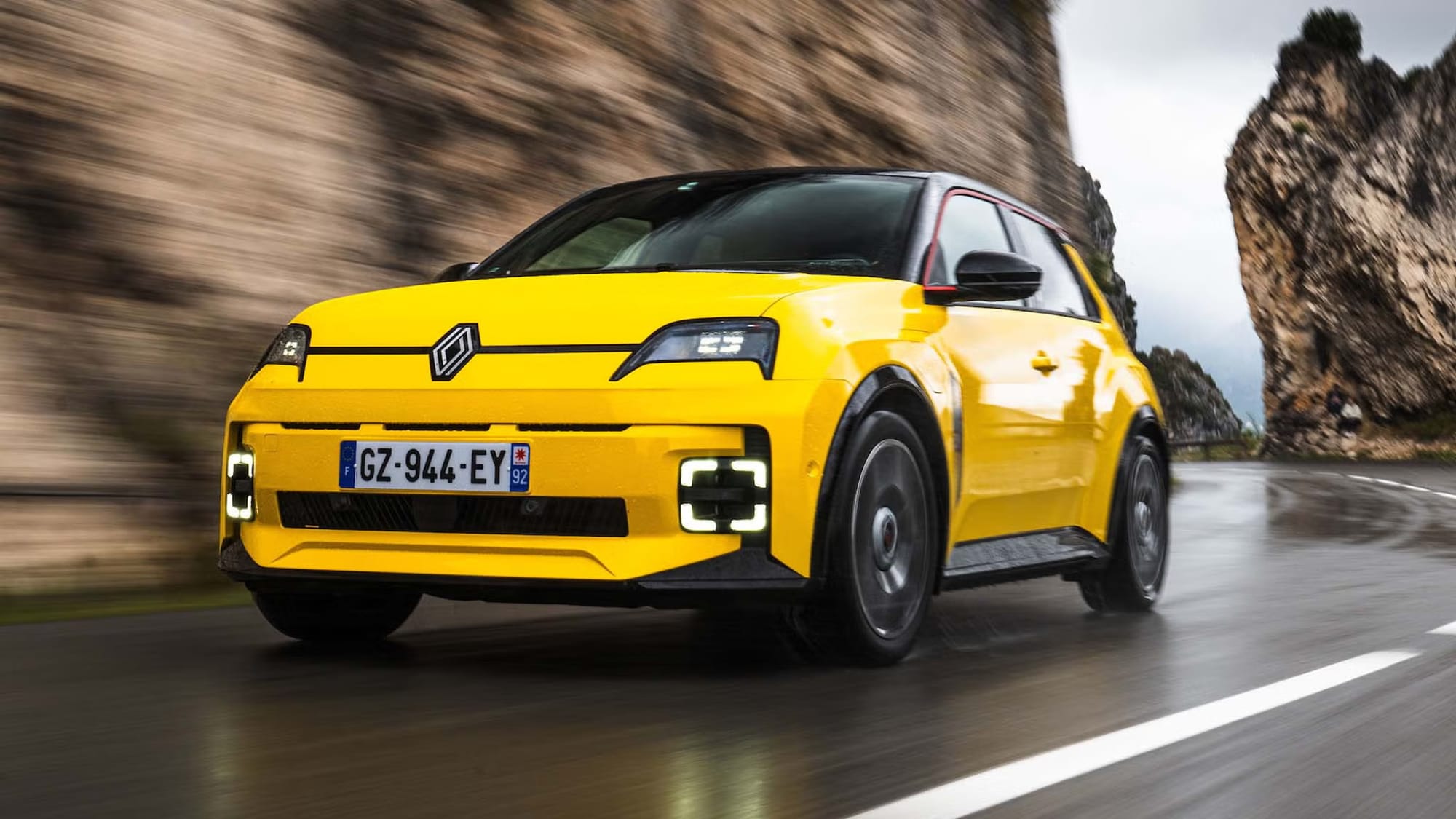
The Renault 5 E-Tech, starting around $30,000 (£25,000), showcases how intelligent, cost-effective engineering can maximize a smaller battery. It offers two lithium-ion NMC (Nickel Manganese Cobalt) pack options: a 40 kWh and a 52-kWh unit. The larger pack’s WLTP-rated range of up to 255 miles is competitive, but its 100 kW DC fast charging capability is what stands out in the city car segment. A 10-80% charge in about 35 minutes means a quick errand can double as a meaningful recharge.
Renault’s innovation is in its modular “one-piece” battery design, which simplifies manufacturing and reduces cost. This saving is passed directly to the buyer. Furthermore, the car comes standard with vehicle-to-load (V2L) capability, allowing you to plug appliances into the car’s battery via an adapter.
The announced future vehicle-to-grid (V2G) functionality is even more ambitious; with compatible home equipment, the parked Renault 5 could sell stored energy back to the power grid during peak demand, potentially turning the car into a financial asset that offsets its own cost.
 Emmanuel Oyedeji
/6. Tesla Model 3
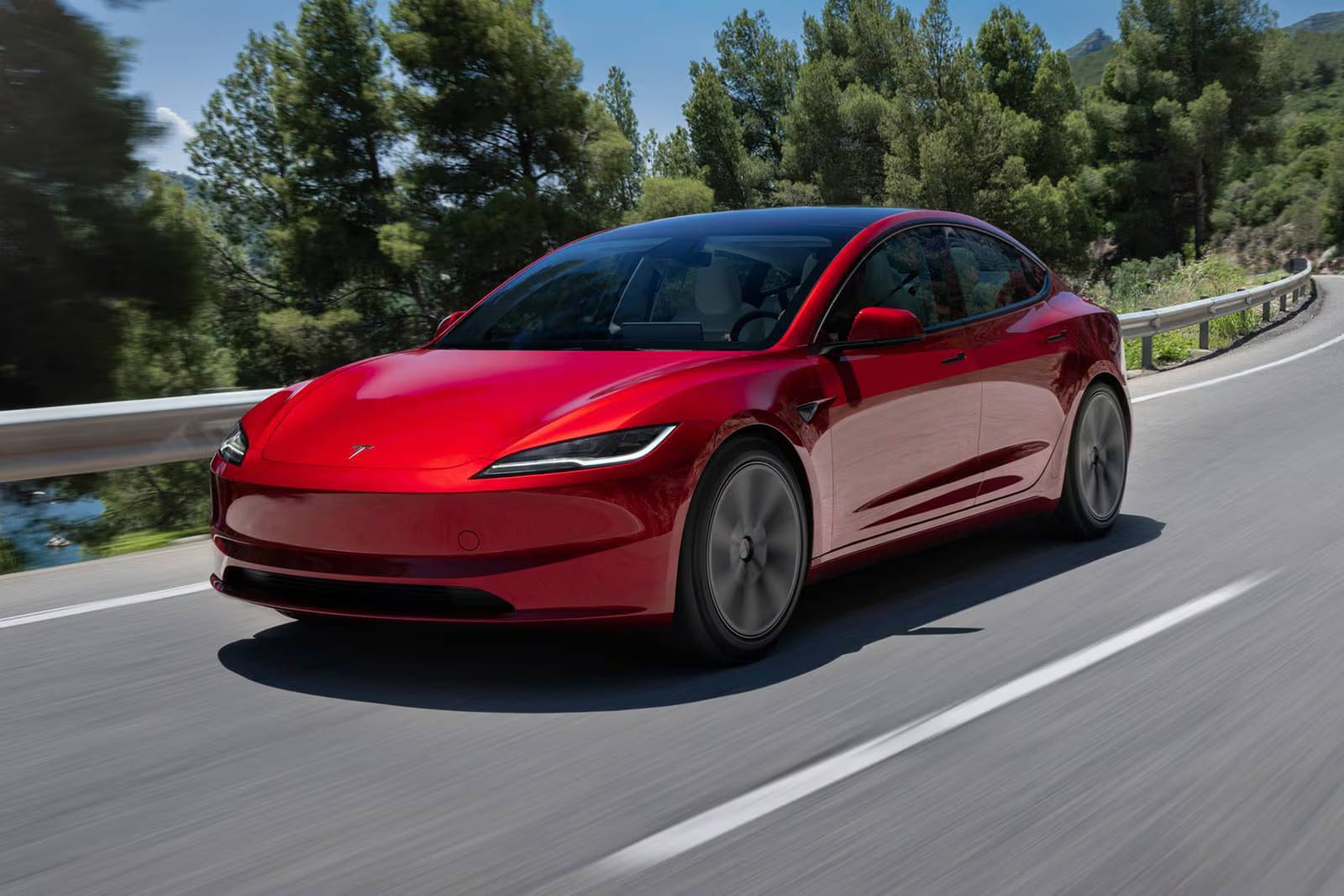
The Tesla Model 3 "Highland" refines this formula further in a sedan package. With a starting price around $40,000, its brilliance lies in pairing an exceptionally efficient aerodynamic profile with well-sized batteries. The base Rear-Wheel Drive model uses a 57.5 kWh LFP (Lithium Iron Phosphate) battery, a chemistry chosen for its durability and cost-effectiveness, yielding an EPA-estimated 272 miles.
Its Long Range and Performance models utilize higher-energy-density packs. It is the Long Range model’s combination of a circa 82 kWh battery and stellar efficiency that delivers its standout 363-mile EPA range, one of the highest for any EV today.
This massive capacity is made practical by the same Tesla charging ecosystem. The Model 3 can leverage the vast Supercharger network for rapid, reliable replenishment. While its peak charging rate of up to 250 kW is not the absolute highest, the seamless integration of navigation, battery preconditioning, and charger availability means the 82 kWh battery can be managed for long trips with minimal downtime. For the driver, it translates to a simple reality: you have a very large tank, and there’s always a fast, reliable pump on your route.
/7. Rivian R1S
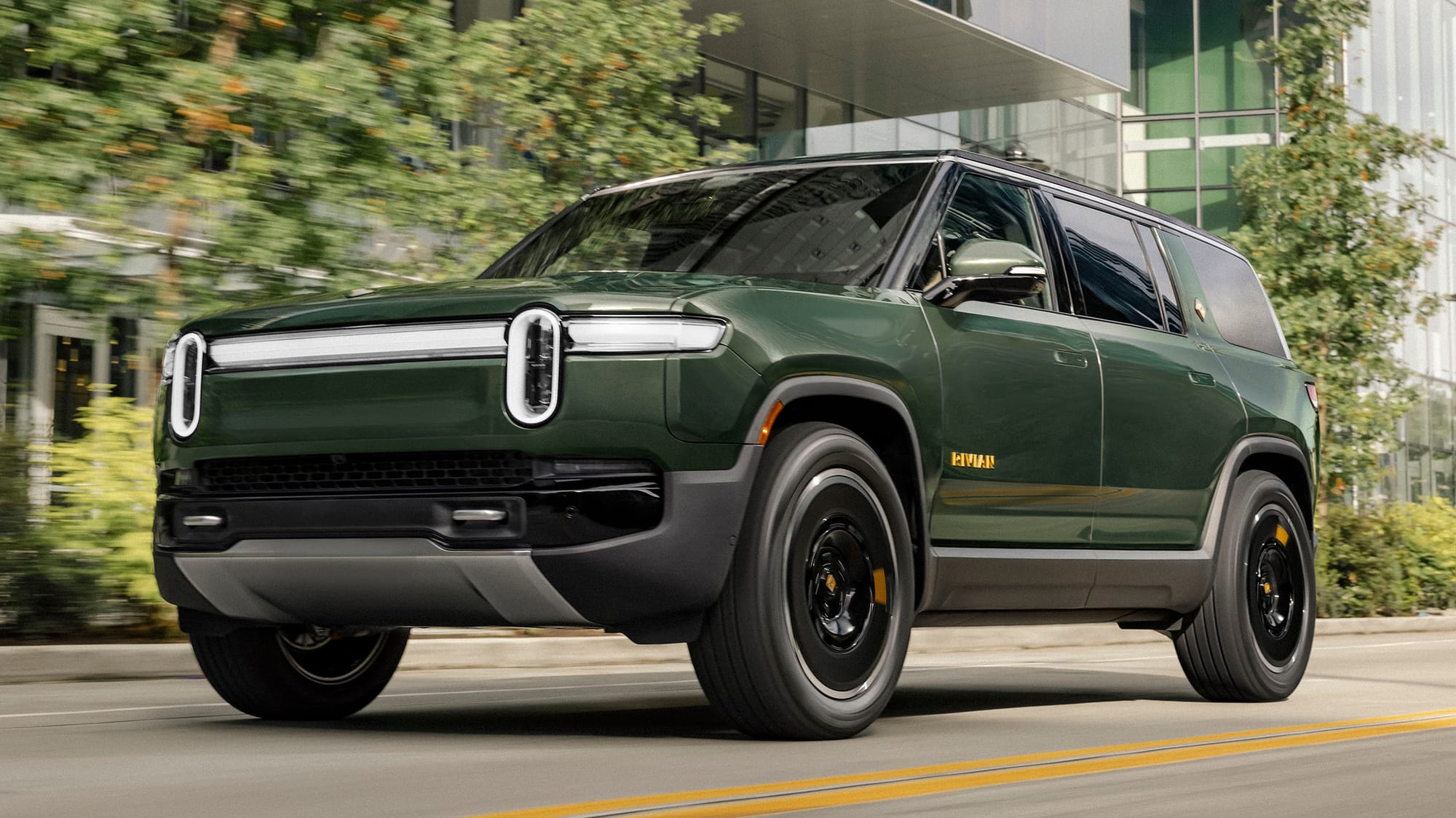
The Rivian R1S, starting around $78,900, is engineered around the premise of unlimited exploration, and its battery strategy reflects that. Buyers can choose a Standard (92.5 kWh), Large (109.4 kWh), or Max (141.5 kWh) pack. The Max pack’s colossal 141.5 kWh capacity, using a high-energy-density nickel-cobalt-manganese (NCM) chemistry, enables an EPA-estimated 410 miles of range. This is not just a number for the sticker; it is the critical buffer for remote trails far from any charging cord.
Rivian’s proprietary battery module and management system are calibrated for extreme use. The system continuously monitors the health and temperature of each cell, not just during high-speed highway driving but during the slow, high-torque crawl of rock climbing, where heat buildup can be different and dangerous.
Its electrical architecture supports up to 220 kW charging, but the true focus is on robustness and thermal resilience, ensuring the battery is the most reliable component on an adventure, not the most fragile.
/8. BMW iX
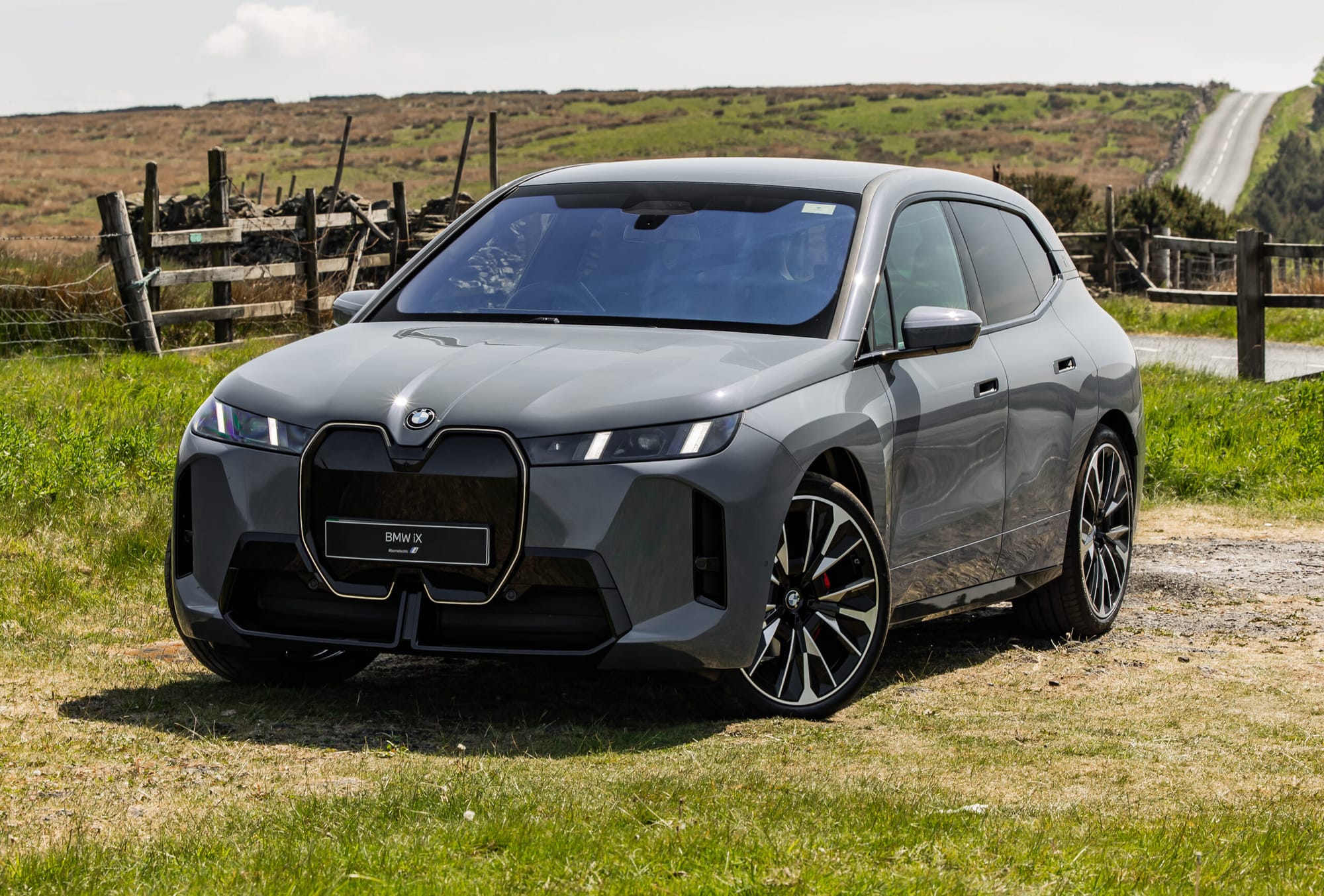
The BMW iX, starting around $87,100, treats its battery as an integral component of its luxury ethos. Its 105.2-kWh pack uses a cutting-edge, high-nickel NCM chemistry from CATL, featuring a cell-to-pack design that eliminates traditional modules. This maximizes energy density within a remarkably slim profile, which is why the iX has such a spacious, airy cabin with a flat floor. BMW’s focus is on seamless, refined energy use.
The thermal management system is designed to be silent and supremely effective, prioritizing long-term battery health and consistent performance over chasing absolute maximum charging speeds. It supports a solid 200 kW DC fast charging, achieving a 10-80% charge in about 35 minutes, respectable, but not class-leading.
The philosophy is different: the system works to keep the battery in a perfect, narrow comfort zone at all times, whether parked or driving. This minimizes degradation and ensures that the car’s 324-mile EPA range is delivered with predictable, quiet efficiency, making the technology feel effortless and invisible, which is the ultimate luxury.
Conclusion
The 2025 EV market demonstrates just how diverse electric mobility has become. Whether you prioritize raw performance like the Porsche Taycan, family practicality and comfort like the Kia EV9, everyday usability like the Hyundai Ioniq 5, or playful charm and efficiency like the Renault 5, there’s an electric car to suit every lifestyle.
Meanwhile, models like the Tesla Model 3 and Model Y continue to define benchmarks for efficiency, range, and long-distance usability, and adventure-focused SUVs like the Rivian R1S and BMW iX push the limits of what EVs can do on and off the road. Choosing the right EV today is less about electric versus petrol and more about which philosophy of driving best fits your life.
 Kelechi Edeh