Nintendo’s Switch 2 is still a hybrid console at heart, but recent Ubisoft ports are making it clear that raw power is no longer the system’s biggest limitation. Instead, it's how developers choose to work around it.
Ubisoft has brought Star Wars Outlaws and Assassin’s Creed Shadows to the Switch 2, and both games run better than many expected. The reason isn't a sudden leap in hardware performance, but a clever use of Variable Refresh Rate (VRR).
VRR synchronises a game’s frame rate with a display’s refresh rate, reducing judder and screen tearing. On most consoles, that benefit only kicks in above a certain performance threshold. Nintendo officially lists VRR support on the Switch 2 at 40 FPS and above, which puts many demanding ports out of reach.
 Emmanuel Umahi
That's where Ubisoft got creative. Assassin’s Creed Shadows runs at a locked 30 FPS, a level that normally wouldn't qualify for VRR. Instead of trying to raise the frame rate, Ubisoft displays each frame twice. One appears halfway through the refresh cycle, the other at the end. The result is a 60 Hz output that smooths motion without increasing actual performance. The game still runs at 30 FPS, but it feels noticeably steadier.
The same technique is used in Star Wars Outlaws, and Ubisoft says it's now working with Nintendo to explore whether this approach could be supported at a system level. If that happens, VRR could work even in games that fall below the current 40 FPS requirement.
For Switch 2 owners, this matters more than it sounds. Many third-party and AAA titles inevitably run at lower frame rates on a handheld hybrid, simply due to thermal and power constraints. Ubisoft’s workaround makes those limitations less obvious, improving visual smoothness without hurting battery life or forcing developers to compromise elsewhere.
 Emmanuel Umahi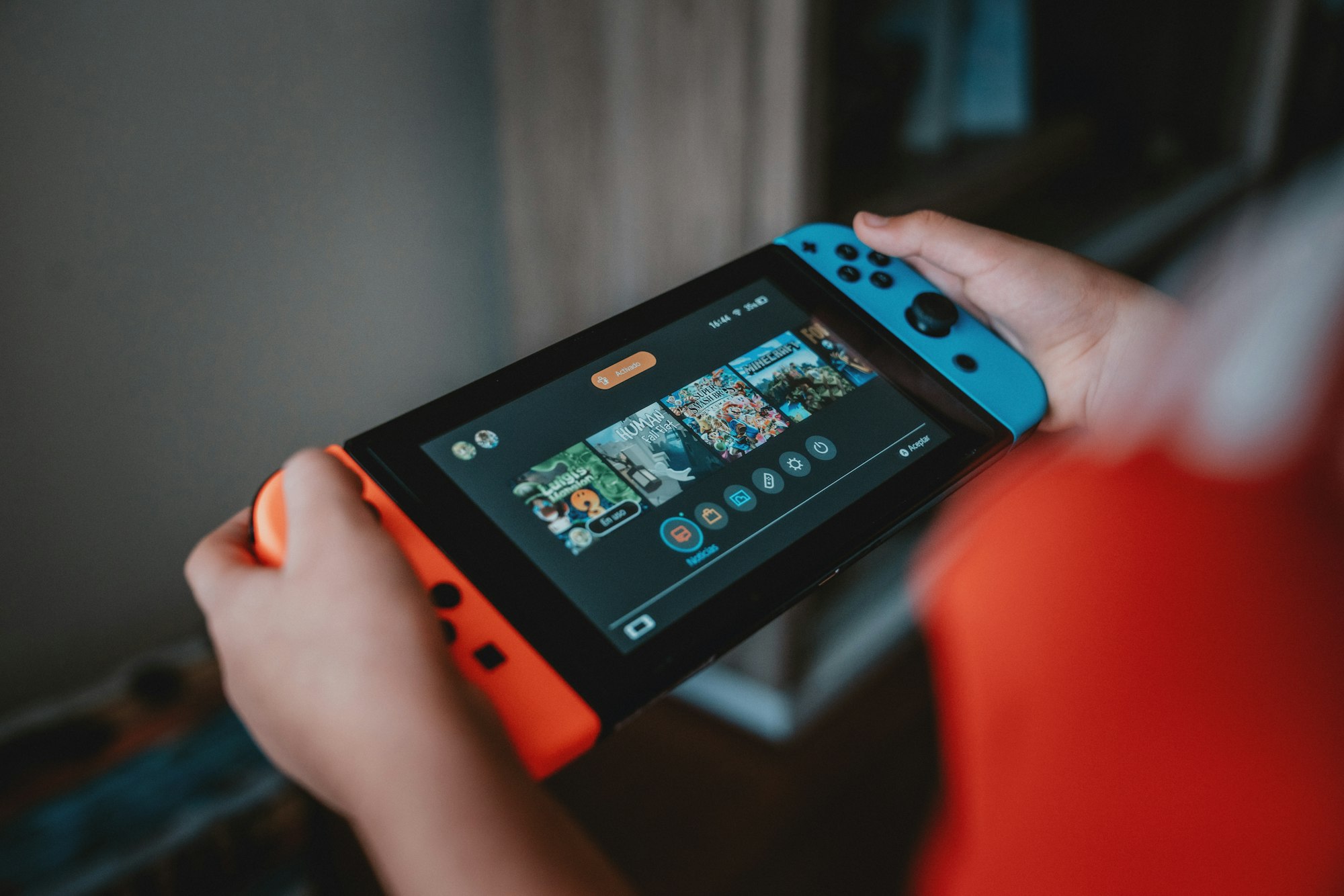
There's also a longer-term implication. Ubisoft has already baked this VRR technique into its Anvil engine, meaning future titles and ports can benefit automatically. That quietly raises the baseline for what players should expect from Switch 2 games, even when performance targets are modest.
Zooming out, this is less about one publisher and more about the platform itself. If Nintendo adopts this method more broadly, the entire Switch 2 library could age better, especially as the console attracts more ambitious ports. It would allow Nintendo to preserve portability while narrowing the experiential gap with more powerful home consoles.
The takeaway is simple. Ubisoft didn't make the Switch 2 faster. It made it smarter. And in a generation where efficiency often matters more than raw specs, that may be just as important.
 Emmanuel Umahi