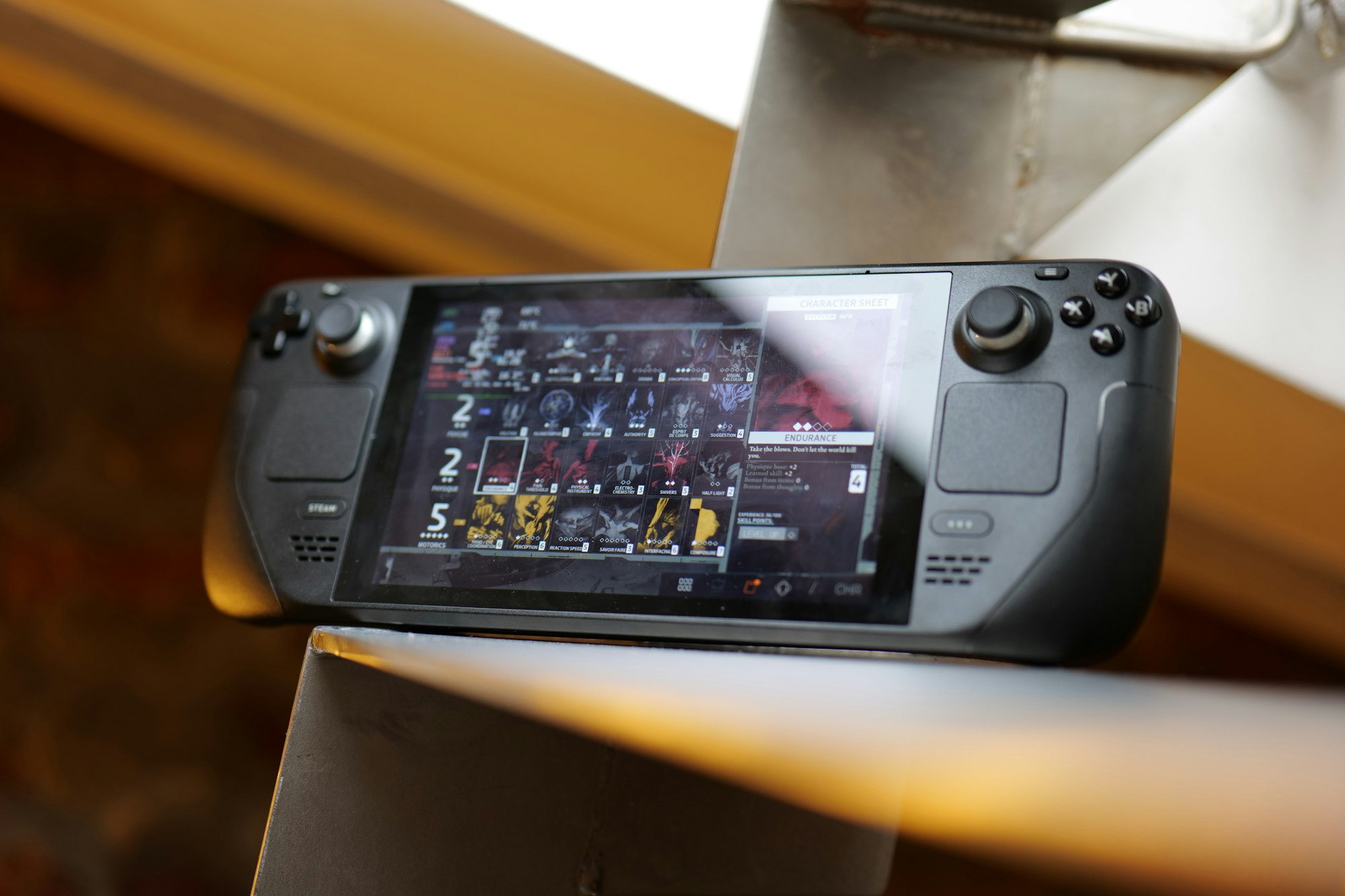
American video game company Valve said it would delay the Steam Machine release, citing rising hardware component costs and ongoing supply shortages, according to a blog post published Wednesday evening. That puts a pause on earlier expectations, including AMD’s prediction that the living-room PC console would arrive in early 2026.
When Valve first revealed the Steam Machine in November 2025, it positioned the device as a potential disruptor: a console-style system that lets players access their entire Steam library from the couch, without the friction of traditional PC setups. Alongside it, Valve also announced the Steam Frame VR headset and a redesigned Steam Controller, all targeting a 2026 release window. What Valve didn’t share at the time was pricing, and that uncertainty is now at the heart of the delay.
In its blog post, Valve pointed directly to the ongoing memory and storage shortages affecting the tech industry. According to the company, the cost of critical components has risen faster than expected, making it difficult to lock in final pricing and shipping timelines.
“When we announced these products in November, we planned on being able to share specific pricing and launch dates by now,” Valve wrote. “But the memory and storage shortages you've likely heard about across the industry have rapidly increased since then. The limited availability and growing prices of these critical components mean we must revisit our exact shipping schedule and pricing.”
 Emmanuel Umahi
Valve stressed, however, that its broader goal hasn’t changed: all three devices—Steam Machine, Steam Frame, and Steam Controller—are still expected to launch in the first half of 2026, even if the exact dates are now uncertain.
The Steam Machine is meant to blur the line between PC and console gaming, offering full access to Steam’s massive library with the plug-and-play ease of a living-room device. That vision could reshape how players think about PC gaming, especially for those who want high performance without a desk setup.
But pricing is everything in that equation. Early fan speculation pegged the Steam Machine at around $599, which would put it in direct competition with current-gen consoles and high-end handheld PCs. With component costs rising, Valve now faces a tough balancing act: keep the price accessible and risk thinner margins, or push the price higher and risk shrinking its audience before the platform even launches.
This delay suggests Valve isn’t willing to rush that decision, especially after past attempts at living-room PCs failed to catch on due to confusing messaging and fragmented hardware designs.
Despite the delay, Valve did share encouraging updates. Developers can already request Steam Frame VR dev kits, though supplies are currently limited and being distributed gradually. That signals hardware that’s closer to market than not.
 Emmanuel Umahi
Valve also said that most of the games it’s tested for Steam Machine run smoothly at 4K, 60 frames per second, putting it on par with modern consoles in performance expectations. The company also plans to support third-party face plates, hinting at customization and modular design, something console players increasingly care about.
And, just to be clear: no, the blog post did not mention Half-Life 3.
If Valve gets the pricing right, the Steam Machine could be a major shift for how people access PC games, turning Steam into a true console competitor without abandoning the openness of PC ecosystems. But if costs creep too high, it risks becoming another niche device in a crowded market of handheld PCs, mini desktops, and consoles.
The delay suggests Valve understands that the margin for error here is slim. The Steam Deck succeeded because it nailed price-to-performance and convenience. The Steam Machine now has to do the same, but in a market where players already have strong console and PC options.
Valve’s decision to delay the Steam Machine isn’t about technical readiness; it's about pricing reality. Rising memory and storage costs have forced the company to rethink how to launch a living-room PC that can compete with consoles without pricing itself out of relevance. While the hardware still looks on track for the first half of 2026, this pause shows Valve is prioritizing long-term adoption over rushing a product into a volatile market.
 Emmanuel Umahi