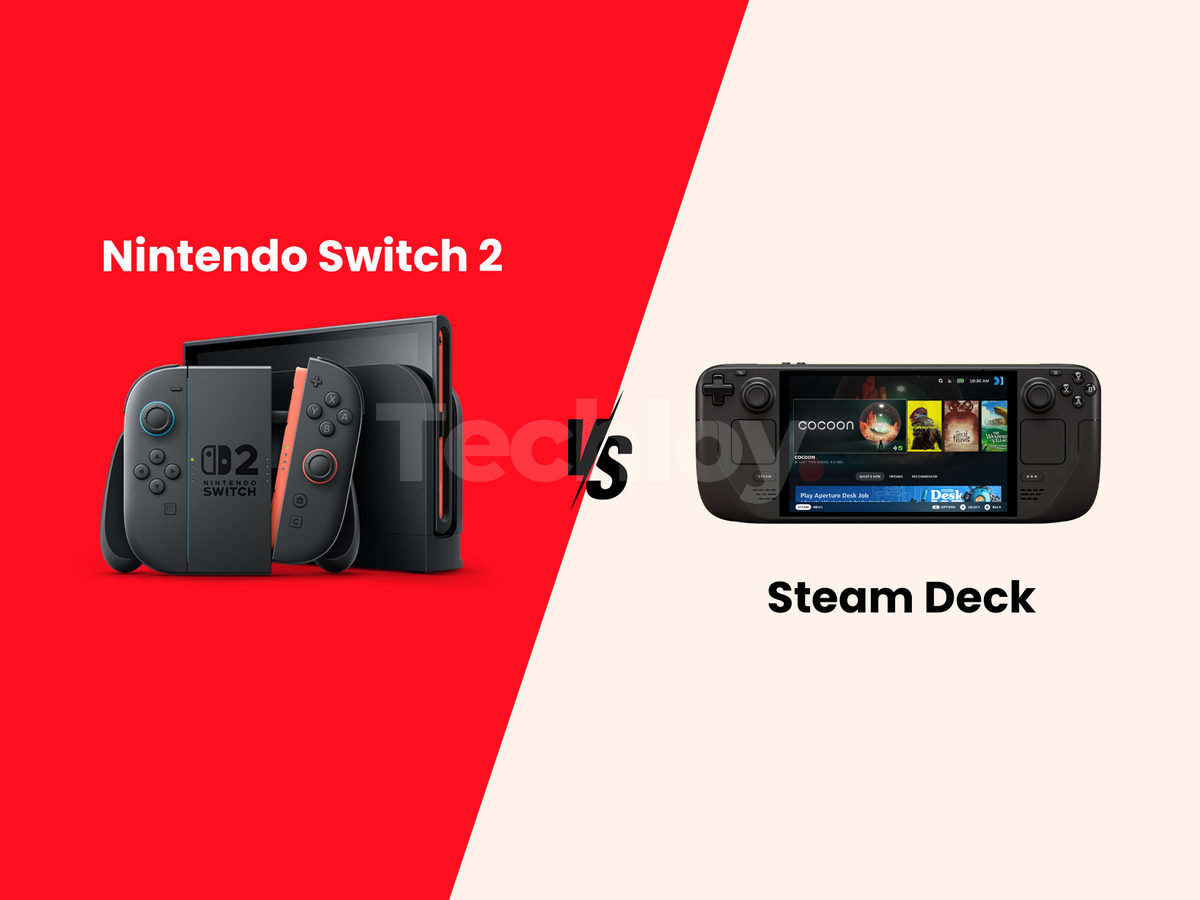
Valve’s next big gaming hardware experiment, the Steam Machine, may look like a console you’d slide next to your TV but don’t expect console pricing. Instead, Valve wants it to sit closer to what gamers would pay if they built their own midrange PC. And that says a lot about where the global gaming market is going.
On the Friends Per Second podcast, Valve coder Pierre-Loup Griffais confirmed that the device is aiming for the same performance-to-price ratio you’d get by assembling parts yourself. “If you build a PC from parts and get to basically the same level of performance, that’s the general price window we aim to be at,” he said.
Unlike the PlayStation 5, Xbox Series X, and Nintendo consoles which are often subsidized and sold at slim margins Steam Machine won’t be sold as a loss leader. Griffais emphasized that while the cost may not be bargain-bin, buyers get engineering value that DIY builders can’t replicate easily: ultra-compact size, controller power-on, quiet hardware, and seamless TV integration.

“Being able to sit down on your couch, press one button on your controller and the whole thing lights up… That’s very valuable,” Griffais added. So yes, it still sounds more affordable than a typical midrange PC tower, but likely more expensive than a console, nothing like the $450–$600 USD magic console range gamers are used to.
What this means globally and for Africa
If the pricing lands above current console norms, it might redefine how gamers perceive “value” in living-room gaming. Globally, it puts Valve in a category of its own: a PC brand selling console experiences. But in price-sensitive and rapidly expanding markets like Africa, this move is tricky.
Africa’s gaming market is dominated by mobile, with console penetration still low due to high pricing and taxes. For many emerging-market gamers, affordability beats engineering perks like quiet fans and elegant controller-first power features. If Steam Machine lands anywhere above mainstream consoles, it could remain aspirational instead of transformational like the Steam Deck, loved online but scarce in African retail channels.
However, there’s opportunity. Africa’s growing PC gamer community often builds or buys second-hand rigs. A compact, stable, no-hassle midrange machine that runs Steam titles out of the box could appeal to universities, gaming lounges, and tech-savvy households if Valve invests in distribution and local pricing.
 Emmanuel Umahi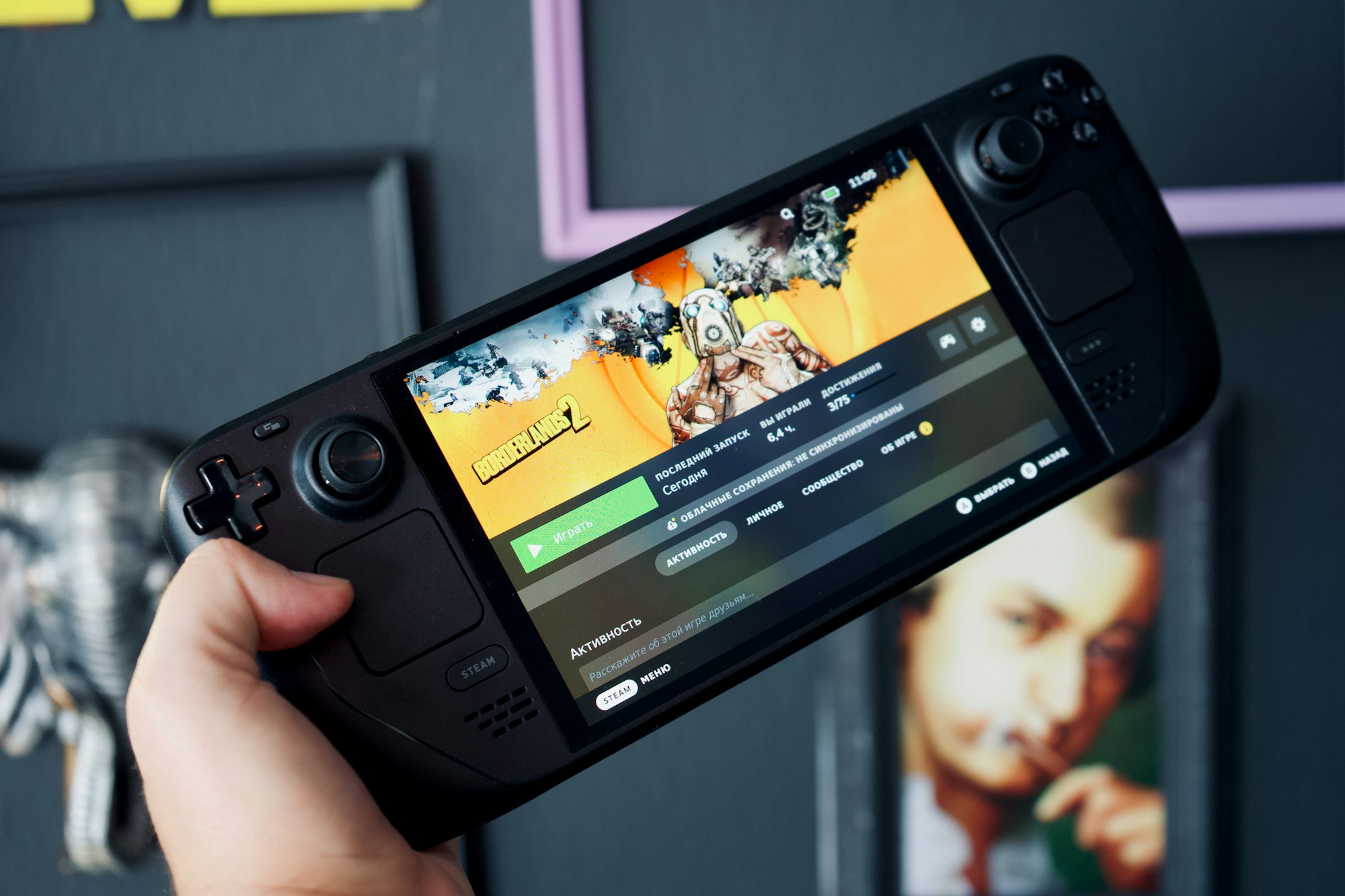
And if Valve eventually pairs this ecosystem play with cloud integration or regional partnerships, it could bypass the console-maker strongholds entirely.
For now, it’s still speculation, and Valve is keeping the exact price under wraps. But one thing is clear: Steam Machine won’t fight consoles on affordability; it’ll fight them on engineering value. The question for emerging markets is whether that value will be visible on the shelves, or just in the Western press releases.
The takeaway
Valve is clearly betting on a premium-PC-in-a-console-body model, similar to what the Steam Deck achieved in the handheld space: not the cheapest, but arguably the best value at its performance level.
 David Adubiina