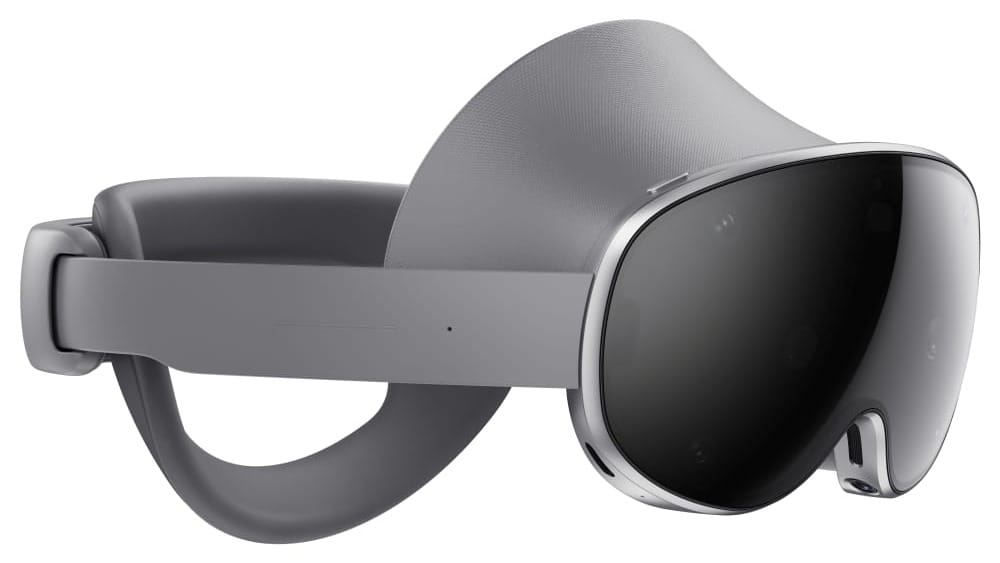
When Apple announced the Vision Pro, fans were buzzing at the chance to get their hands on it. The device looked like it had everything to offer. We're talking a VR headset with dual Micro-OLED displays, running on an M2 and R1 chip (or M5 for the updated model) with 16GB RAM, offering up to 100Hz refresh rates and Optic ID eye-tracking. That’s one of the most powerful headsets around and is probably why it was being referred to more as a “spatial computer” than anything else.
However, there was a huge caveat that came with it. It costs at least $3,499 to get the cheapest one, and while it was a huge trend when the device launched, with reports claiming over 200,000 units sold in its first 10 days, things flipped very quickly. The hype died down, the crowds thinned out, and the Vision Pro’s momentum slowed in a way Apple probably didn’t expect. And now, that slowdown has caught up with the company, with reports saying Apple has cut production. It has also slashed its marketing budget by more than 95%.
 Emmanuel Oyedeji
It should be no surprise, though, given how the Vision Pro headset performed in 2024. Apple never released official sales numbers, but analysts at IDC estimate the company sold only about 45,000 units in Q4 2024, which is especially low considering it was the holiday season, the same period Apple usually sells millions of iPhones and Macs. Even with the updated Vision Pro model powered by the M5 chip, the device continued to struggle with complaints about weight, comfort, battery life, and the overall lack of VisionOS-native apps.
The high price didn’t help either, especially when Meta’s Quest line-up sells for a fraction of the cost and still dominates around 80% of the market as of Q2 2025, per IDC.
If you've been paying attention, then this won't look like a particularly surprising move. As sales dipped, Apple had started quietly making cuts as its manufacturing partner, Luxshare, reportedly paused production entirely at the start of 2025, signalling a major pullback from what was supposed to be its "next big thing."
 Emmanuel Oyedeji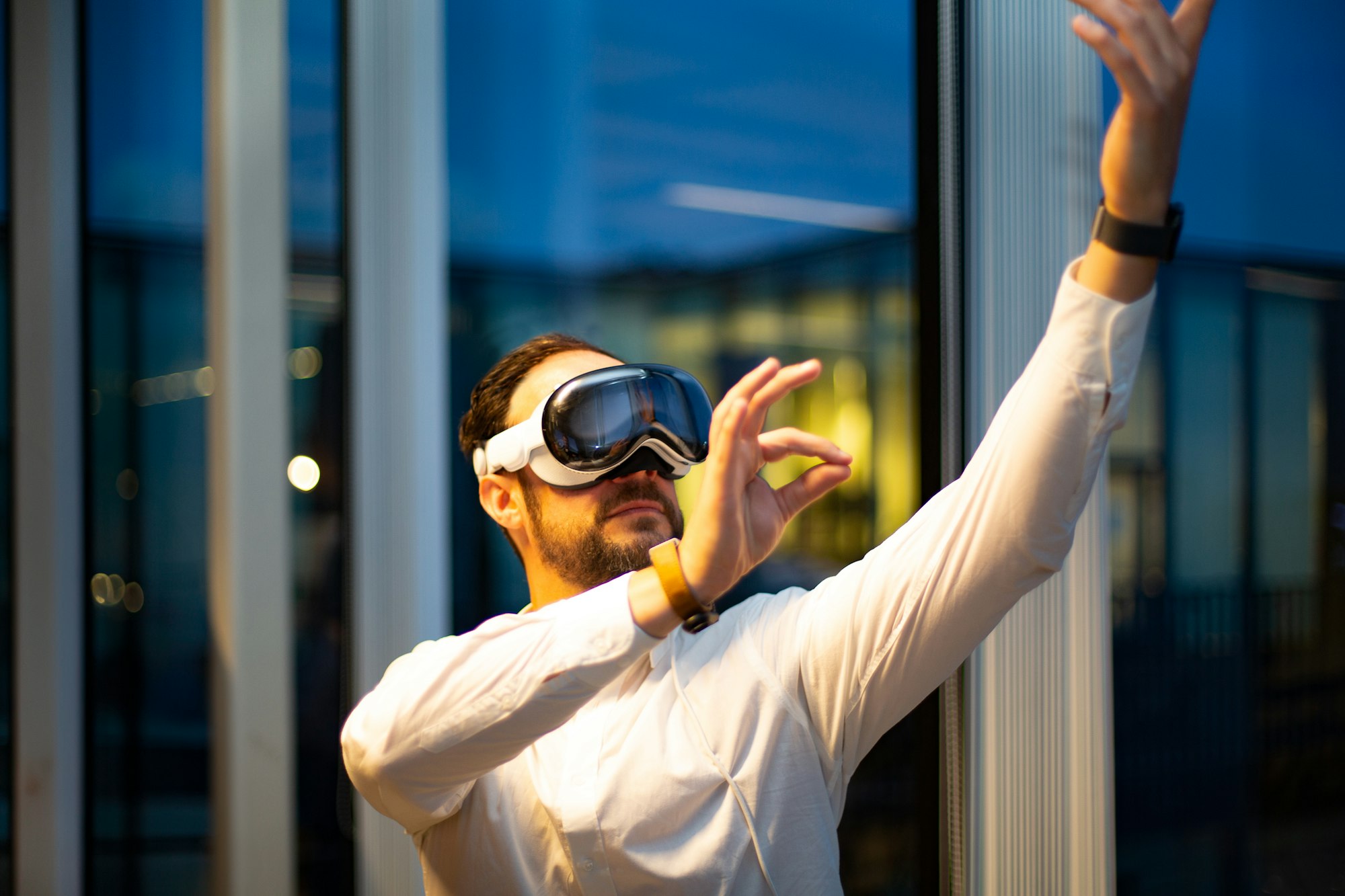
The headset also never expanded beyond 13 countries, which further limited its reach. All of these moves point to a company stepping away from a product that isn’t living up to expectations.
And to be fair, the slowdown isn’t just about Apple. The entire AR/VR market has hit a speed bump, with Counterpoint Research reporting a 14% decline over the first half of 2025 as consumer interest cools globally. Even Meta is shifting resources away from the metaverse toward AI-powered wearables. Meanwhile, newcomers like Samsung’s Galaxy XR are entering the scene with a different approach, tighter AI integration, lighter hardware, and a clearer pitch for everyday use.
So while the Vision Pro is probably the most powerful thing you can get, many don't think it's worth it, and they're not particularly wrong. The device might have started strong, but the latest updates show a device struggling to find its place in a changing industry, one that’s already pivoting toward a very different kind of future.
 Louis Eriakha