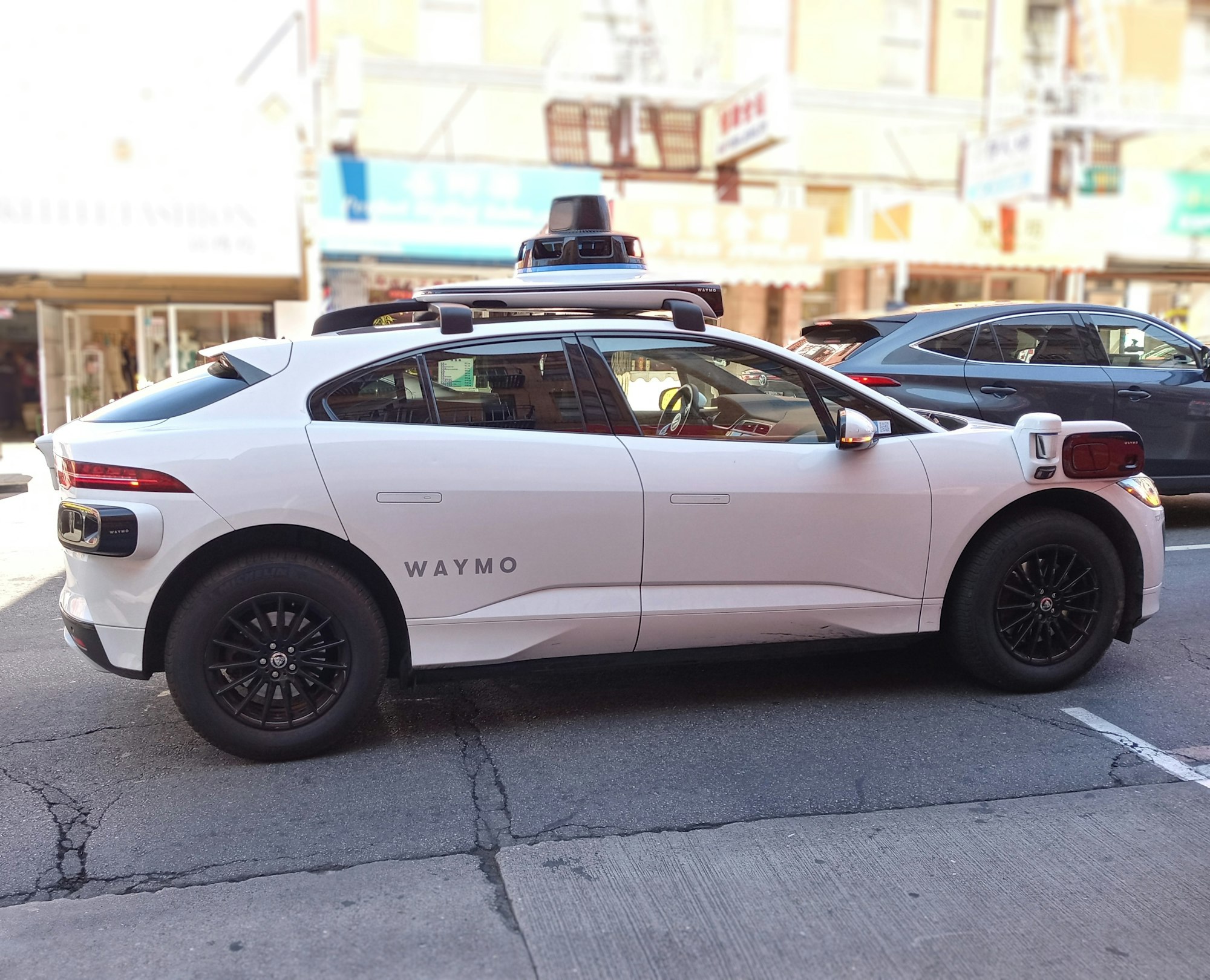
It wasn’t too long ago that Waymo decided to rebrand its Zeekr RT robotaxi to a more American-sounding name: Ojai (pronounced “Oh-hi”). The company seemingly felt that the name Zeekr didn’t really connect with the American audience it was targeting.
Instead, Waymo wanted a name that felt calm and relaxing, somewhere you could unwind, or as the company calls it, “an oasis on wheels.”
Now, Waymo has officially unveiled the Ojai, its first purpose-built robotaxi. This is not a retrofitted or modified consumer vehicle. The Ojai was designed from the ground up specifically for autonomous ride-hailing. It was built by Chinese automaker Zeekr before being outfitted with Waymo’s autonomous driving hardware in Arizona.
Waymo describes the experience this way: “When riders open the elevator-like doors, they are welcomed into a cabin that feels remarkably expansive. With a low step and completely flat floor… the space opens up like a living room on wheels.”
Waymo Still Has Something to Prove
For the past few years, Waymo has been one of the leading companies pushing the sci-fi vision of robotaxis becoming part of everyday life. But operating in an emerging technology space comes with plenty of hiccups.
Just last week, the company had to pause services in some American cities because its vehicles struggled with flooded roads. That alone highlighted a major issue with autonomous driving: even advanced systems can still struggle with unpredictable real-world situations that human drivers instinctively understand.
Waymo also recently recalled nearly 4,000 vehicles, and some of its robotaxis reportedly have a tendency to drive past stopped school buses without properly reacting.
Still, the launch of the Ojai gives Waymo a fresh opportunity to market itself to the American public in a unique way. Whether that strategy works long term is another question entirely.
Waymo says it designed the Ojai with input from riders and community partners. The vehicle includes accessibility features like embedded braille, screen-reader compatibility, and a seat-integrated handle for extra support when entering or exiting. It also features three large LED screens that allow passengers to control music, temperature, and other ride settings.
With the Ojai rollout, Waymo is also stepping more directly into competition with Tesla, which launched its own robotaxi service last year. Unlike Tesla’s Cybercab, which has no steering wheel, the Ojai still includes one. That could suggest Waymo may continue using safety drivers in certain situations for some time.
 Ogbonda Chivumnovu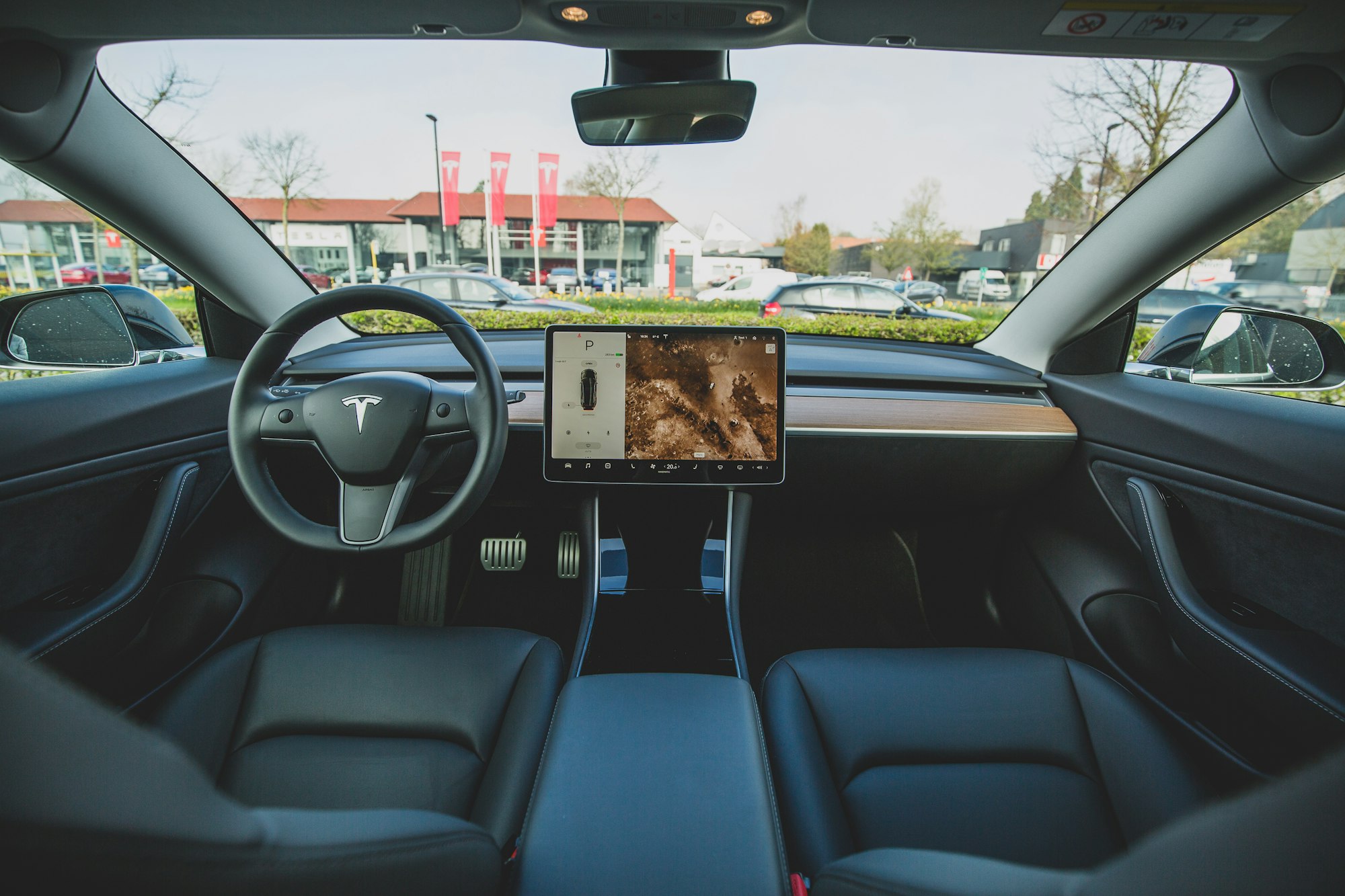
A Bigger Push Into Mainstream Robotaxis
The Ojai is first rolling out in San Francisco, Los Angeles, and Phoenix. Rides will initially be free for select Trusted Testers. Waymo also plans to expand the service to Denver, Las Vegas, and San Diego later this year.
The vehicle also debuts Waymo’s 6th-generation driver software. The company says it reduced the number of cameras from 29 to 13, alongside fewer lidar and radar units, helping lower costs significantly. Waymo reportedly believes it can now get one of these vehicles on the road for under $20,000.
The updated software can also operate in snowier cities, which matters because Waymo has mostly operated in warmer regions until now.
The Ojai looks ready for the road, and Waymo still has a major lead in autonomous driving. The company says it has already completed more than 20 million driverless trips, a number no rival currently matches. The Ojai may be Waymo’s boldest statement yet.
Now comes the harder part: proving the vehicle can reliably handle rain, school buses, flooded streets, and all the unpredictable moments that happen in real-world driving every day.
Ogbonda Chivumnovu