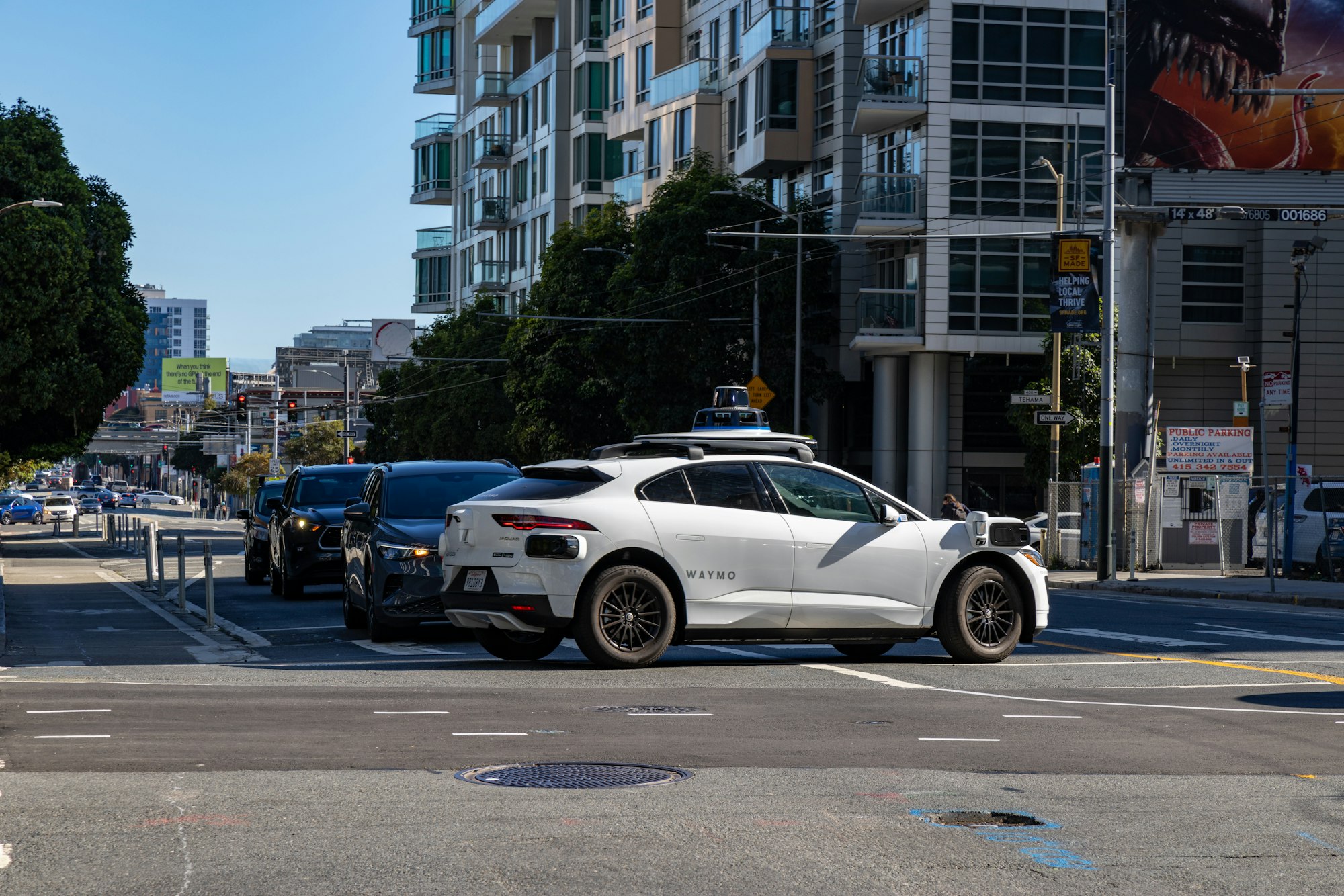
One of the leading robotaxi companies in the world, Waymo, has paused services in four American cities due to flooding, showing that despite how impressive the technology is, it may still struggle to replace human judgment in unpredictable situations like storms, floods, and construction zones.
Yesterday, Waymo paused service in four cities: Atlanta, Austin, Dallas, and Houston. San Antonio has also remained paused since late April. “We have temporarily paused freeway operations as we work to integrate recent technical learnings into our software and expect to resume these routes soon,” a company spokesperson said in an email.
The company also highlighted that safety remains a top priority. But the decision to pause services in these cities didn’t come out of nowhere. Last week, Waymo recalled nearly 3,800 vehicles over a software issue where robotaxis might fail to stop after detecting a flooded lane.
The company said it rolled out updates designed to restrict vehicles from entering areas with a higher risk of flooding, but that still wasn’t enough.
According to Waymo, the Atlanta flooding happened before official flash flood alerts were issued, which matters because the company partly relies on those warnings to adjust how its vehicles operate during dangerous weather conditions.
This Isn’t the First Time Waymo Has Faced Safety Questions
This also isn’t Waymo’s first struggle with situations like this. Last year, people noticed Waymo robotaxis illegally passing stopped school buses. Waymo shipped a fix, but the problem reportedly continued. Earlier this year, one of its robotaxis struck a child in Santa Monica after braking before impact. Both incidents are now under investigation by US safety regulators.
Now, regulators are also watching the flooding issue. The National Highway Traffic Safety Administration said it is aware of the Atlanta incident and remains in communication with Waymo.
It does appear that Waymo made the cautious decision by pausing services. Even experts are conceding this: “Short term, a pause is the responsible and right thing to do. Long term, you can’t have a robotaxi service that can’t function in inclement weather because the world also needs to function in inclement weather,” said Bryant Walker Smith, a University of South Carolina law professor and expert on automated driving, as quoted in a Bloomberg report.
Waymo says it’s working on more software updates. The company says it is monitoring weather conditions and will resume services when it believes it is safe. Autonomous driving cannot only work in perfect weather and ideal traffic conditions. Cities still function during storms, floods, road closures, and chaos. Humans adapt instinctively, while robotaxis are still learning how to.
 Ogbonda Chivumnovu