



As a repair center, you need to strike a balance between speed, accuracy, and trust among customers every day. But when inspections are manual, even expert technicians may overlook any problems with the hardware, inconsistent battery performance, or even non-original parts.
Consequently, repair calls, returns, and negative reviews can have a significant impact on profitability and reputation. Meanwhile, customers demand thorough reports, quick turnaround, and clear communication prior to approving the repair.
So, repair companies must have more intelligent systems with a minimum of guesswork and maximum consistency in each and every device inspection. This is where advanced iPhone diagnostics solutions come in handy in the modern iPhone repair process.
This article describes how diagnostic apps enable repair centers to enhance quality control, minimize repair errors, ensure more precise testing, and provide more consistent customer experiences in the face of intense repair operations.
1. Standardized Tests Enhance The Accuracy Of Repair
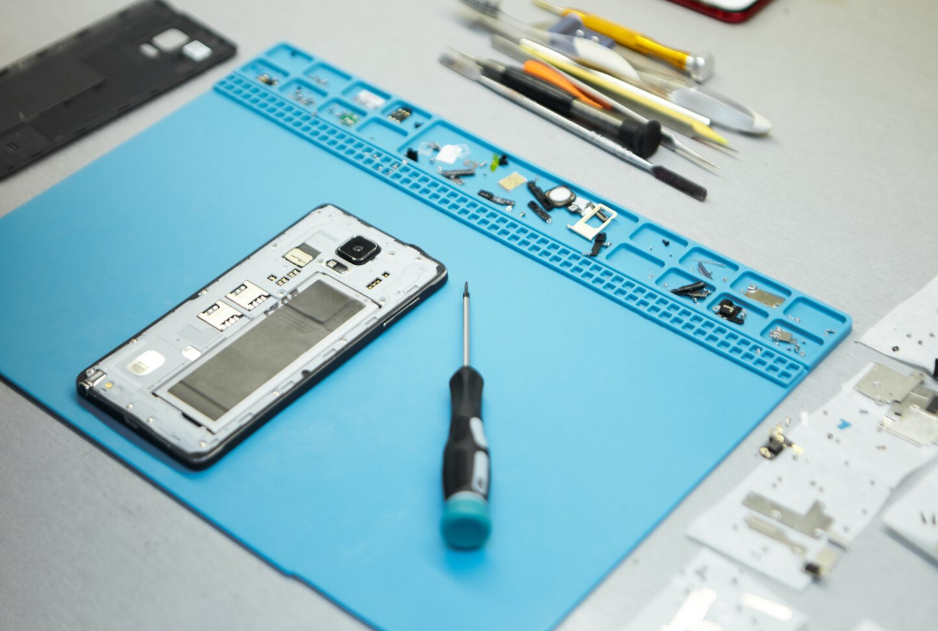
Many repair companies now use the best iPhone diagnostic app to develop a more uniform QC procedure. Technicians can no longer rely solely on manual checks but can now conduct structured diagnostics that assess several hardware components very rapidly and accurately.
This can help to increase repair precision since all devices go through a common inspection procedure before and after repairs. As a result, issues with cameras, batteries, Face ID, sensors, speakers, and connectivity can be detected without missing checkpoints.
Automated testing also reduces human error, particularly during a hectic workday when repair teams are dealing with a high volume of devices.
Furthermore, standardized diagnostics foster greater accountability within the repair center. Managers can ensure that technicians perform all necessary checks before sending a device back to the customer. This consequently ensures that repairs are more consistent throughout the company.
2. Automated Diagnostics Lead to Hidden Defects Reduction
This frequently results in huge quality control issues for repair centers, as hidden defects exist. While a phone might look fine on the surface, more serious problems can become apparent once the user begins using it on a regular basis. Hence, automated diagnostics enable technicians to detect issues that manual testing might miss.
Modern diagnostic platforms provide the ability for more than sixty tests and can identify more than one hundred possible hardware issues, such as camera issues or non-original parts. As a result, repair centers are able to understand the condition of the device before they repair it or resell refurbished devices.
Plus, automated systems can also help identify recurring issues faster for technicians. When a group of devices exhibits the same battery or connectivity issues, for instance, repair staff can more easily research ways to repair or replace parts. This helps to improve the quality control in the long term, rather than merely addressing issues temporarily.
3. Detailed Reports Increase Customer Trust
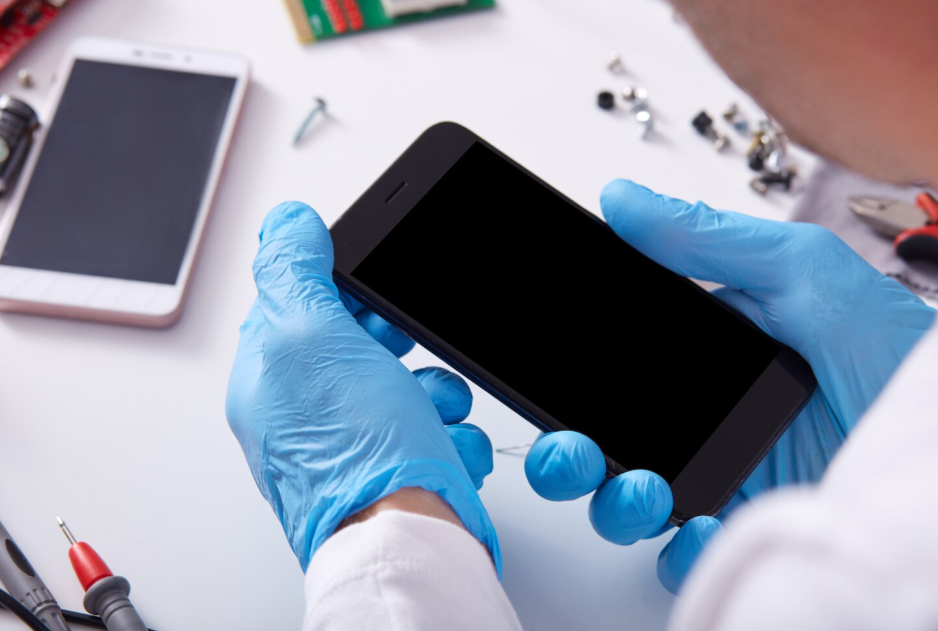
Users expect that their products have been adequately tested after repairs. So, diagnostic applications that provide detailed reports enable repair centers to establish better transparency and professionalism when dealing with customers.
Testing certificates can show the results of hardware inspections, battery evaluations, and functionality checks performed during the repair process. This makes customers feel more secure, as they can check the results of the tests rather than just being told by technicians.
These reports also help to minimize arguments once devices are taken. Later, if the customer should have a problem with the repair, the Service Center can show them the diagnostic history associated with the device. In addition, certain systems keep testing records via IMEI tracking, enhancing record keeping and issue resolution.
4. Optimized Workflow Makes Business More Efficient
Quality control should enhance efficiency, not delay the repair. Fortunately, advanced diagnostic tools are available to help repair centers test faster and maintain test consistency and accuracy.
Automated workflows reduce the need for repetitive manual checks, allowing technicians to process more devices within shorter timeframes. Some platforms also support bulk testing and workflow automation that streamline device handling. As a result, repair businesses can increase productivity without compromising inspection quality.
Faster diagnostics also improve customer satisfaction because shorter repair times lead to quicker device returns. Meanwhile, technicians can spend more time solving hardware problems instead of repeating routine inspection tasks manually.
5. Better Quality Control Reduces Returns And Reputation Risks
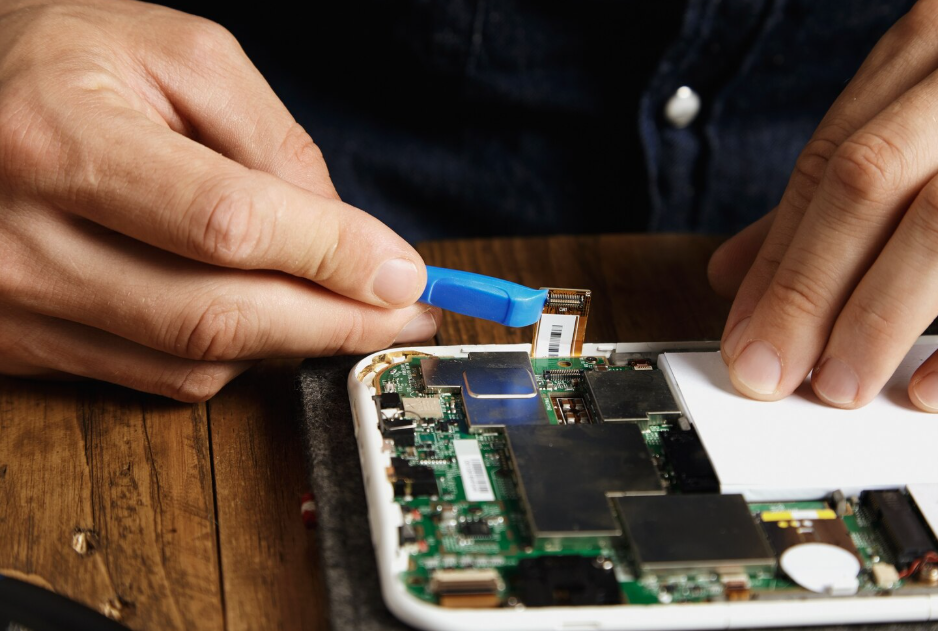
Device returns can damage profitability and customer confidence. Even one unresolved issue may lead to refund requests, negative reviews, or lost repeat business. Therefore, stronger diagnostic processes directly support better quality control and lower return rates.
Advanced testing solutions help repair centers verify repair success before devices leave the store. Technicians can recheck repaired phones using automated diagnostics to confirm that all important functions work properly. According to industry testing data, accurate diagnostics can significantly reduce device returns linked to hidden defects or incomplete repairs.
Additionally, diagnostic tools help businesses maintain more consistent repair standards across multiple technicians or locations. This consistency protects brand reputation because customers receive dependable service regardless of who performs the repair.
Final Thoughts
Strong quality control is no longer optional for repair centers handling modern iPhones and other smart devices. Customers expect accurate diagnostics, transparent communication, and dependable repairs every time they visit a service counter.
Therefore, advanced diagnostic apps help businesses maintain consistency, reduce avoidable mistakes, and improve operational efficiency. From automated testing and non-original parts detection to detailed reporting and workflow standardization, these tools strengthen every stage of the repair process.
They also help technicians work faster without sacrificing accuracy or customer confidence. As device technology continues evolving, repair centers that invest in smarter diagnostic systems will be better prepared to deliver reliable service, protect their reputation, and maintain long-term customer trust in competitive markets.


