Disney’s new partnership with OpenAI goes far beyond a simple licensing arrangement. It ties together a multiyear character-licensing deal with a $1 billion investment, and it sets the stage for a new layer of interaction with some of the world’s most famous franchises.
When support rolls out in early 2026, Sora users will be able to generate short videos featuring more than 200 characters across Disney, Pixar, Marvel, and Star Wars. It isn’t just Mickey or Iron Man showing up in AI clips. It’s Disney opening a controlled creative sandbox at a scale no studio has offered before.
 Emmanuel Umahi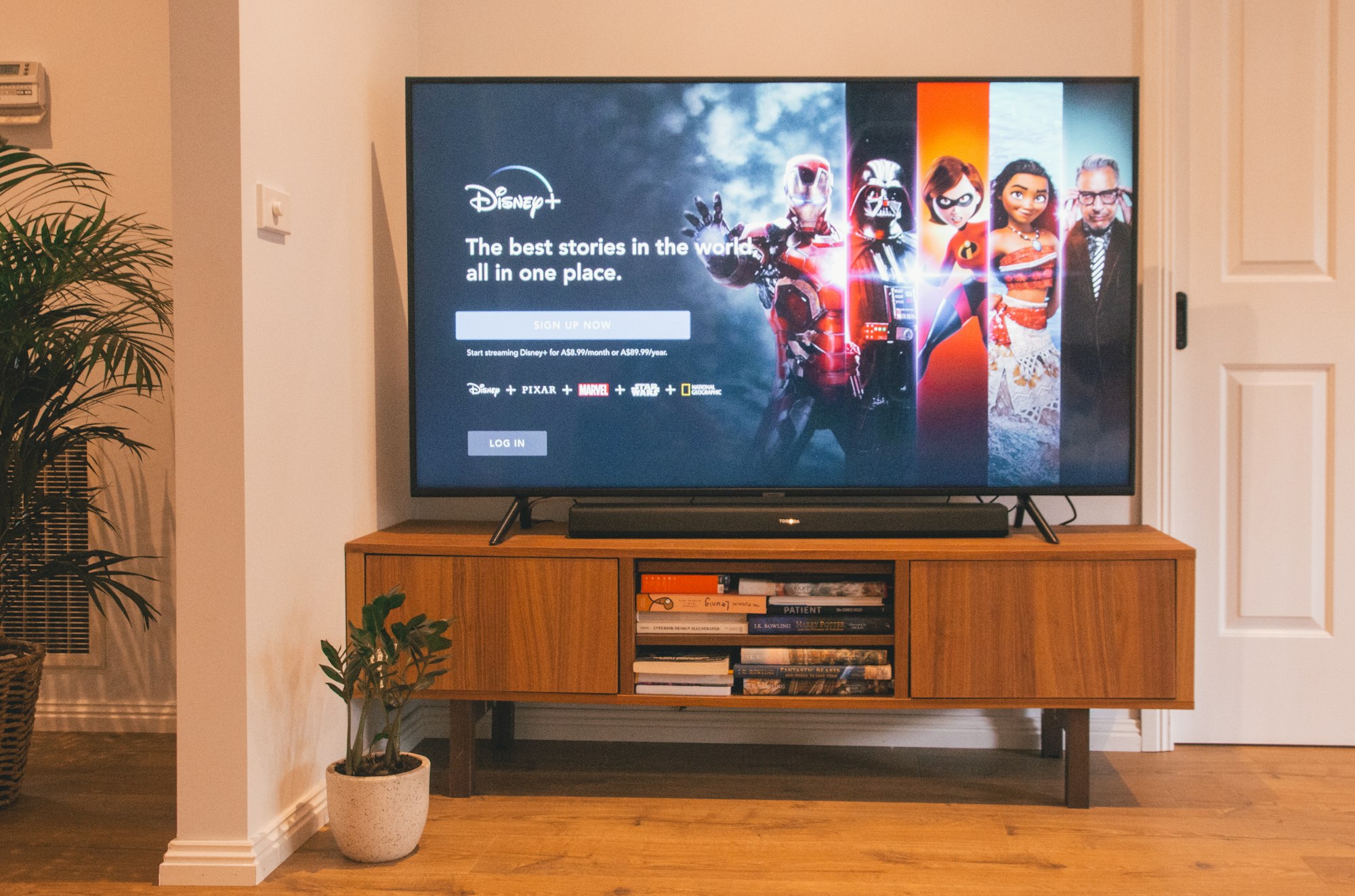
Can fans finally create Disney content without entering a legal gray zone?
For years, fan edits lived in an uncertain space. They attracted big audiences, but they sat just outside what Disney could formally endorse. This deal shifts that dynamic by creating a licensed sandbox where fans can experiment with shorts, remixes, and concepts that feel authentic without running into legal boundaries.
This new freedom doesn’t just change fan behavior. It raises a bigger question about how Disney itself will handle interactivity. With OpenAI’s tools available behind the scenes, Disney+ could move toward personalized shorts, character-driven learning experiences, or branching stories shaped by viewer choices.
Once fans get a taste of creating their own moments, it becomes natural to imagine Disney offering more interactive ones as well, like Netflix’s Bandersnatch. But with Disney’s expansive universe and storytelling expertise, the possibilities are far broader.
 Emmanuel Umahi
Will AI speed up how Disney develops and tests new stories?
Those new viewing possibilities reflect what’s also changing inside the studio. Disney isn’t talking about replacing animators, but it's looking at how AI can speed up early creative work. Storyboards can be visualized faster, alternate scenes can be tested without full teams, and effects ideas can be prototyped in minutes instead of weeks.
When you shorten those early loops, the range of stories a studio can explore starts to widen. Suddenly, shorts, spin-offs, and experimental ideas become more feasible. And because Disney will use these tools in real production environments, the feedback it provides can help OpenAI refine the models in ways that improve both studio output and the tools available to everyday Sora users.
 Emmanuel Umahi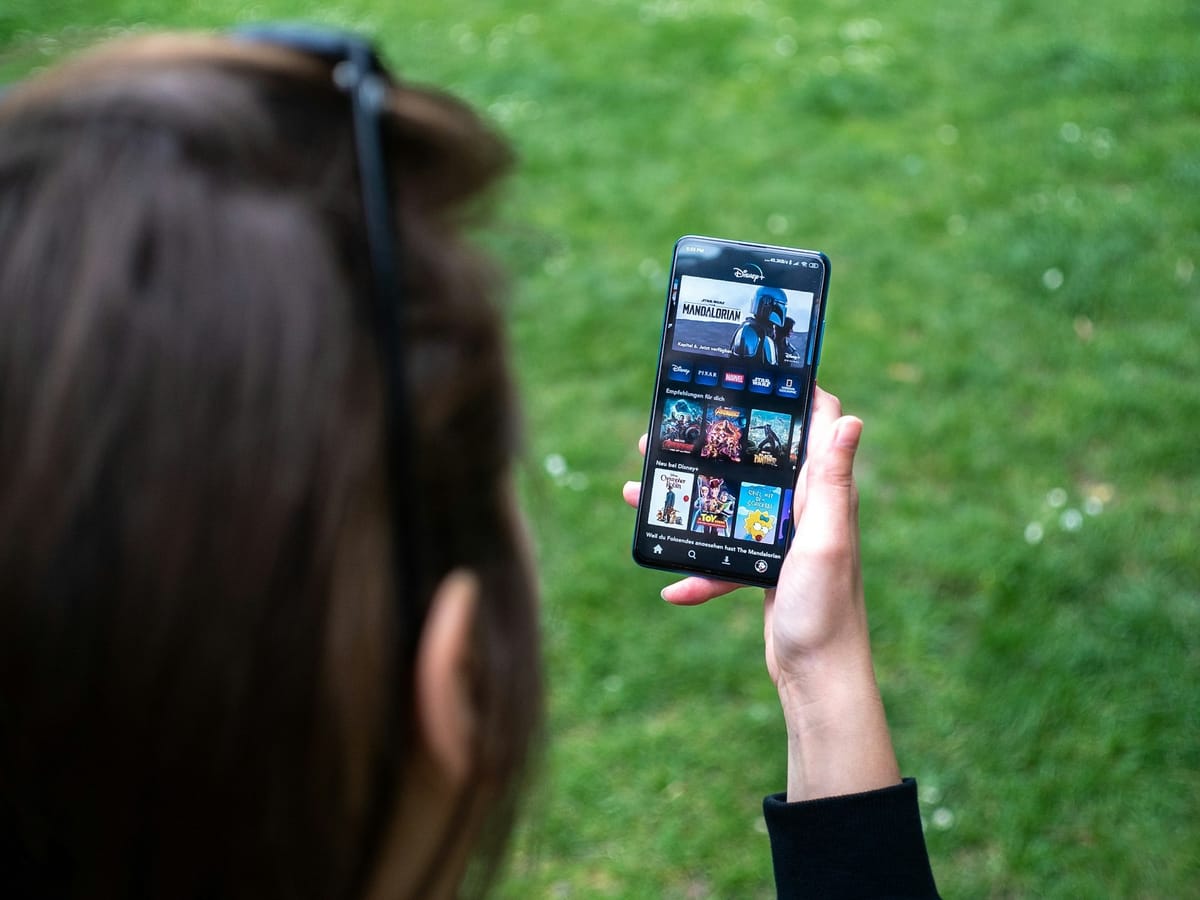
Does the Disney-OpenAI deal raise the quality ceiling for AI animation itself?
That refinement is where the partnership becomes even more consequential. Disney’s animation library spans decades of structured 2D and 3D work, motion-capture data, effects simulations, and polished character rigs. For an AI system, this is a rare source of consistent, expressive, high-quality material.
Models trained and improved with that input can learn not just how to recreate a look, but how to deliver movement, timing, and emotional clarity that feel cinematic. As Disney feeds its production insights back into OpenAI’s tools, the quality of AI animation can rise on both sides, inside the studio and for everyday users.
What does this actually mean for the future of animation?
All of these point to a shift in how animation could be made and consumed. Instead of treating AI as a threat, Disney is positioning it as a creative amplifier that expands what artists can imagine and what audiences can experience. Fans gain new tools. Artists gain faster workflows. And AI systems gain a richer understanding of visual storytelling. The future of animation looks less like a replacement battle and more like a collaboration where human craft sets the direction, and AI expands what’s possible.
 Louis Eriakha