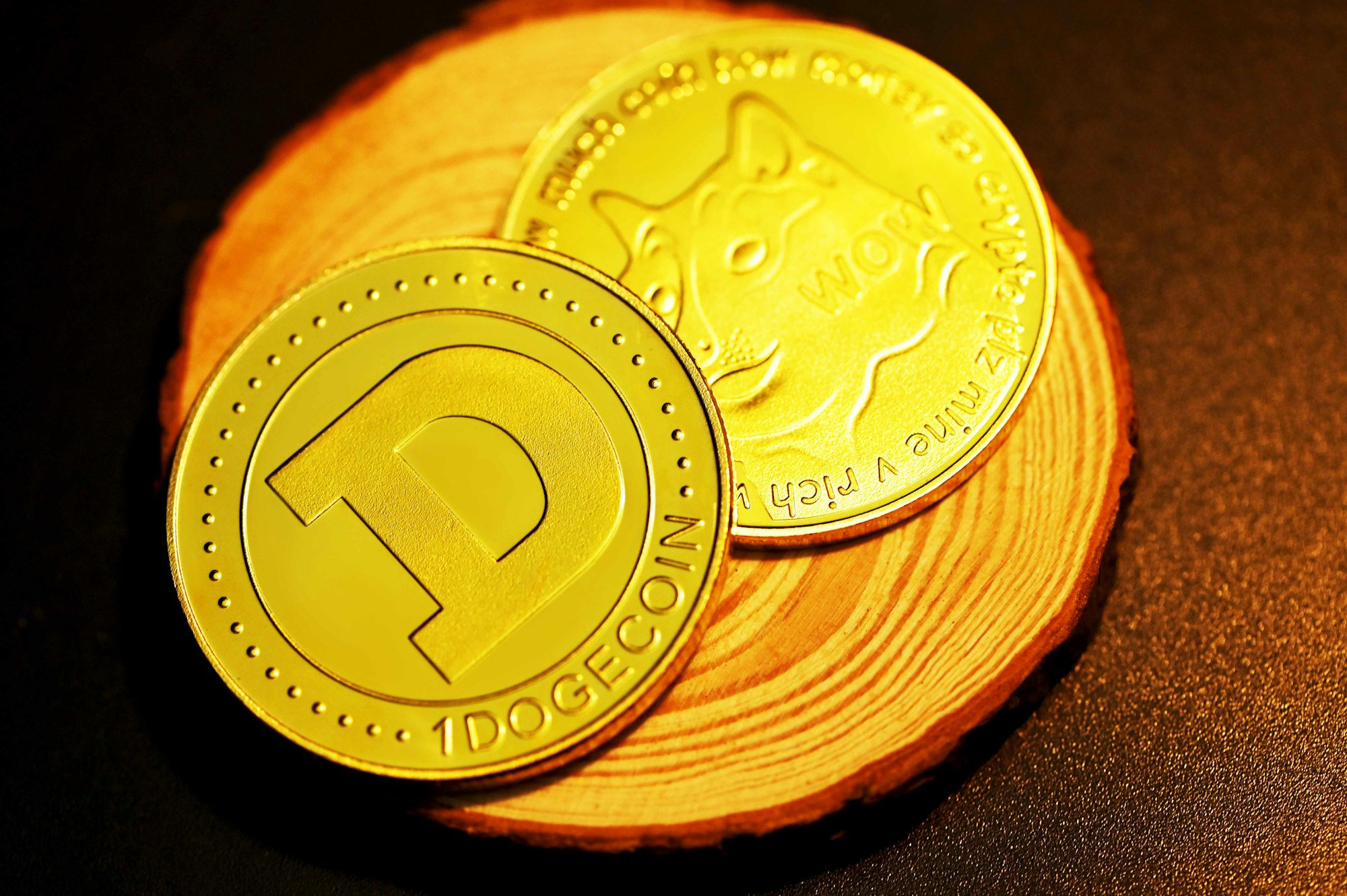
Dogecoin, one of the most well‑known meme‑inspired cryptocurrencies, briefly made headlines as its official team shared an announcement about a “full corporate restructuring” on April 1.
The project revealed plans to rebrand itself as DogeCoin Financial Solutions LLC™, swapping its familiar Shiba Inu logo for a more corporate look and hinting at a new strategic focus. That news was enough to push DOGE’s price up about 3.3 %, from around $0.09 to $0.092 during Asian trading hours—a modest rebound in an otherwise weak market for the token.
It also mentioned a forthcoming 67‑page whitepaper titled “Toward a Synergistic Decentralized Liquidity Framework,” which is expected to outline a new institutional‑oriented vision for Dogecoin. The team said an internal rebranding would see its once‑playful community title, the “Doge army,” change to something more corporate sounding like “Stakeholders.”
“We believe this pivot positions DogeCoin Financial Solutions LLC™ for maximum enterprise scalability and shareholder value optimization going forward,” the announcement stated, signaling a desire to appeal to larger investors beyond the usual retail base.
 Jemi Motesho
Meme Vibes or Market Move? Community Reacts
Almost immediately, much of the Dogecoin community pushed back, or laughed. The restructuring announcement came on April 1, and many traders took it for an elaborate April Fool’s joke, especially given the tongue‑in‑cheek nature of previous Dogecoin culture and the sudden seriousness of the language.
That skepticism was reflected in price action too. While the announcement sparked a brief uptick, the broader meme coin market remains subdued, with DOGE stuck around key support levels near $0.09 and struggling to break resistance levels above that price. Broader technical snapshots show continued consolidation and mixed sentiment among traders.
What This Means for Dogecoin’s Identity
Historically, Dogecoin has stood out from most cryptocurrencies precisely because it didn’t act like a corporate asset. Created in 2013 as a lighthearted fork of LuckyCoin and inspired by a viral Shiba Inu meme, Dogecoin grew largely through community enthusiasm and retail trading, with little formal governance or institutional structure.
In contrast, a move toward a formal corporate entity such as DogeCoin Financial Solutions suggests a shift away from that grassroots identity. A robust whitepaper and an institutional branding might attract professional investors, but it also risks alienating parts of the loyal community that value Dogecoin’s carefree roots.
On the charts, DOGE is still navigating a narrow band around $0.09, a level it has tested many times over the past weeks. Wider market trends also play a role in how DOGE moves. When Bitcoin rises or falls, meme coins often follow, and shifts in investor mood can quickly change the direction of prices.
Because Dogecoin has a strong retail base, it reacts fast to headlines, online chatter and community sentiment. This restructuring announcement landed right in the middle of that environment, amplifying the reaction in both price and debate.
Whether the corporate‑style announcement marks a real strategic shift or just a clever April Fool’s joke, it highlights how Dogecoin’s identity has become a topic of serious discussion.
Partner Content