While Meta is giving some of its apps their own unique space, like the rumoured plan to let users sign up for Threads without an Instagram account, it’s also clearly working toward a tighter, more connected ecosystem.
The company seems to be leaning into the idea of a shared identity across its platforms. If you’ve ever shared a WhatsApp Status directly to your Facebook story, you already know what that looks like. Now, WhatsApp may be taking things a step further by letting you import your profile photo straight from Instagram or Facebook.
This feature, spotted by WABetaInfo in WhatsApp beta for Android version 2.25.21.23, is currently in testing. It adds new options under the profile settings menu alongside the usual options like camera, gallery, avatar, and Meta AI. Users will now see Facebook and Instagram as sources for setting a profile photo. Instead of downloading your photo from one app and uploading it manually to another, WhatsApp could soon do that work for you in a couple of taps.
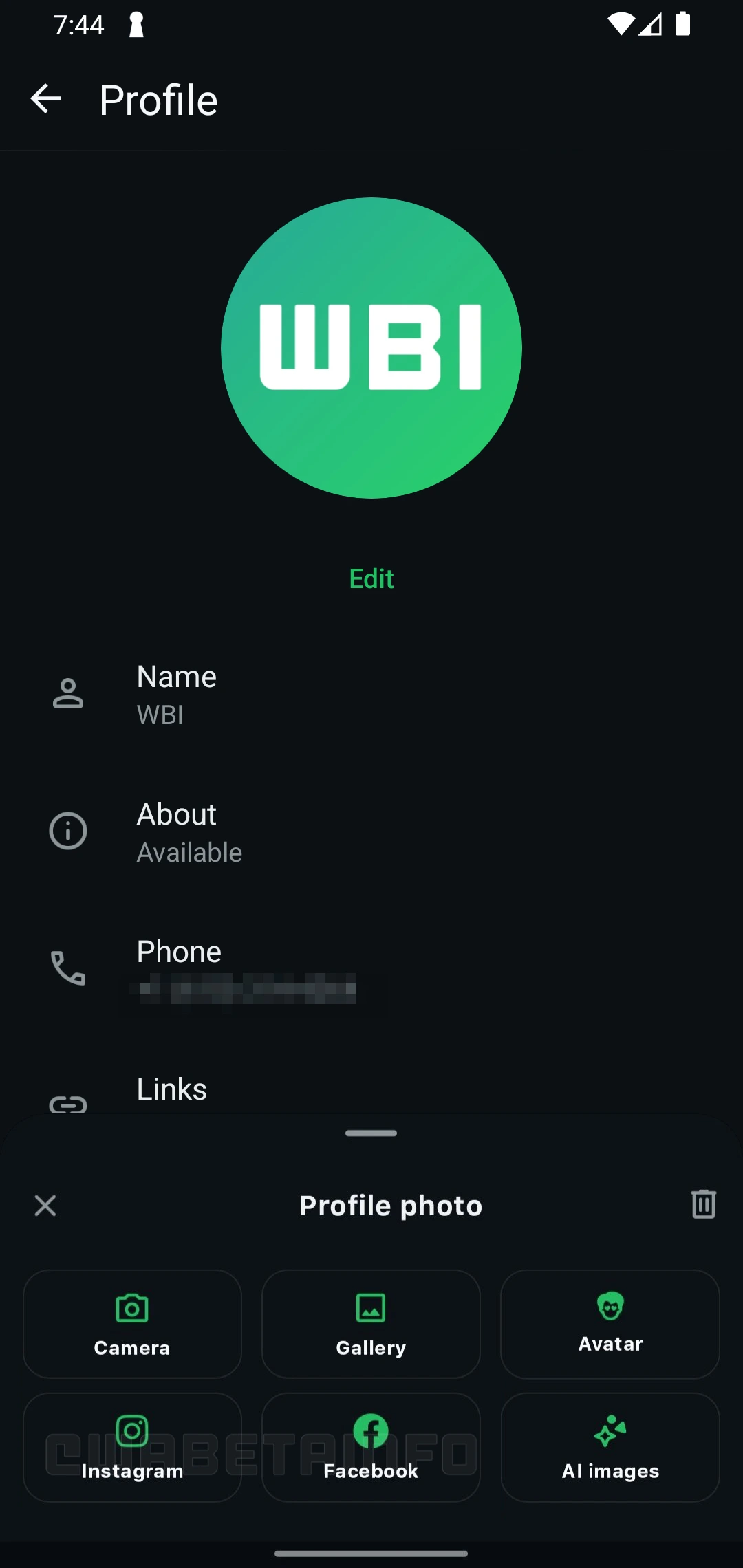
To make it work, you’ll need to link your WhatsApp account to Meta’s Accounts Centre, the same system that already powers things like single sign-on or cross-posting between Facebook and Instagram. Once linked, your display picture from either platform can be pulled into WhatsApp instantly, offering a more seamless setup for people who prefer consistency across their social profiles.
Importantly, this feature is optional and turned off by default. So, if you’d rather keep your accounts separate or want a unique identity on each app, you still can. Meta says the integration won’t interfere with WhatsApp’s core privacy protections like end-to-end encryption, which should reassure users who value the platform’s security.
There’s no official launch date yet, and for now, only beta testers in the Google Play Beta Programme have access. However, with this possible addition, it looks like Meta is trying to create a smoother and more seamless connection across its platforms.
And it’s not alone. Other tech giants are moving in a similar direction. Apple is redesigning the UI on iOS, iPadOS, and macOS to resemble VisionOS, creating a more seamless feel across its ecosystem. Google, too, is gradually blending Android and ChromeOS. So while Meta’s approach is a bit different, it’s clearly part of a broader industry trend.
 Louis Eriakha