Missing a call on WhatsApp is a small thing, but it often creates unnecessary friction. You see the missed call notification, open the chat, and type out an explanation. Or you call back, only to miss the other person again. For people who use WhatsApp to coordinate work, family, or everyday plans, those small interruptions quickly add up.
That familiar frustration is what WhatsApp’s latest update is trying to address. Instead of treating missed calls as dead ends, the app is turning them into quick handovers.
The new feature, called Missed Call Messages, adds an option on the call screen that lets users respond immediately with a short voice note or video note. There’s no need to jump back into the chat or restart the call loop. The reply is attached directly to the missed call, making the context clear and closing the gap instantly.
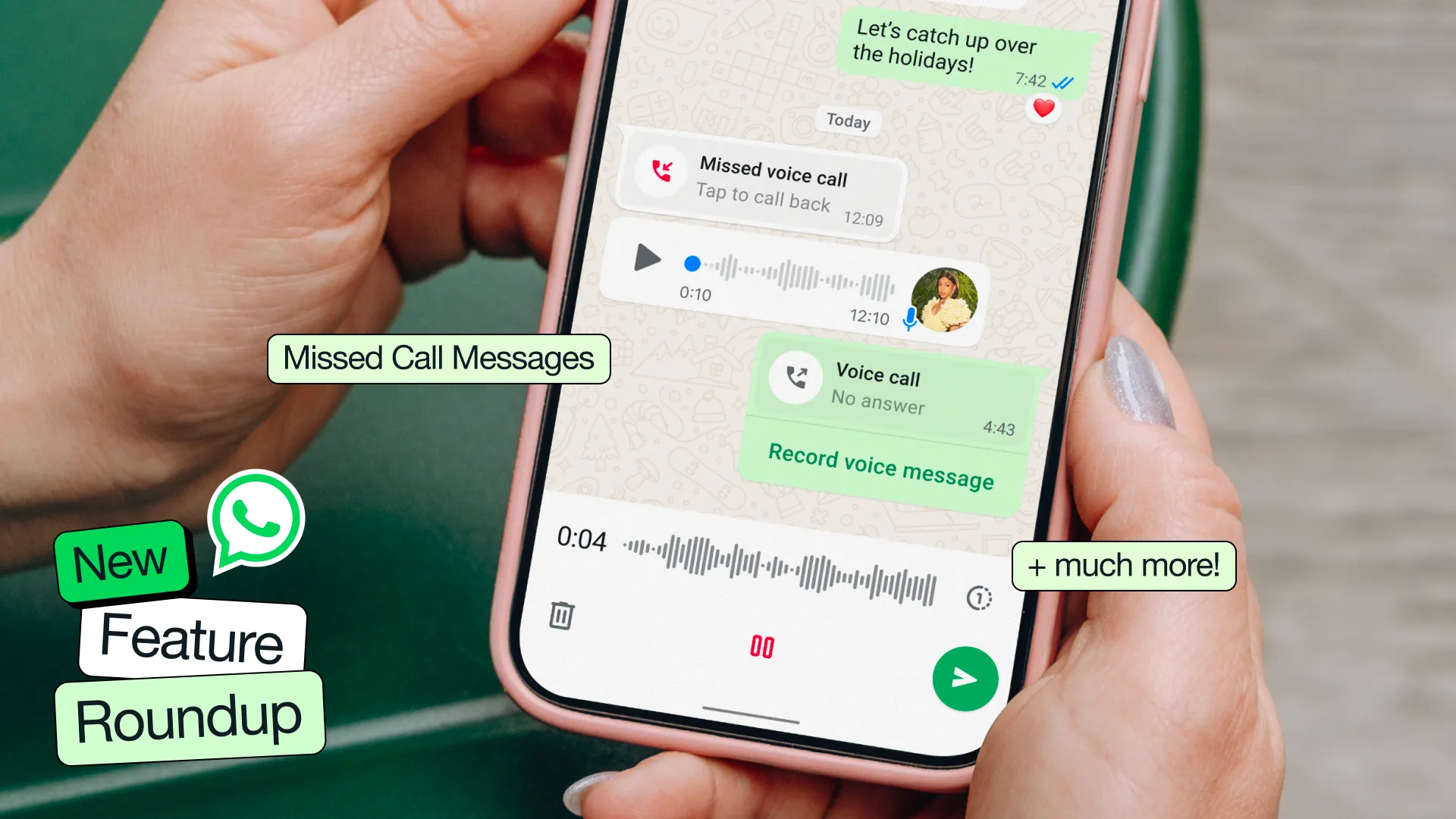
WhatsApp describes this as a modern take on voicemail, but the framing matters. This isn’t about leaving long messages to be checked later. It’s designed for situations where calls fail but communication still needs to move forward, whether you’re in a meeting, on the move, or just briefly unavailable.
That same thinking carries through the rest of WhatsApp’s recent updates. The company appears to be focusing less on adding flashy features and more on reducing friction across everyday interactions.
Calling, for instance, is getting subtle but practical improvements. In group video calls, WhatsApp now highlights the active speaker, making conversations easier to follow. Voice chats have added lightweight reactions, allowing people to acknowledge what’s being said without interrupting.
 Oyinebiladou Omemu
Chat itself is also becoming more expressive without demanding extra effort. Meta is rolling out new AI-powered tools that help users generate images or turn photos into short animated clips using simple prompts. These features aren’t positioned as creative tools so much as quick ways to add context or personality to a conversation.
On desktop, the same pattern shows up again. A new media hub groups documents, photos, videos, and links shared across chats, making it easier to find older files. Link previews have also been simplified, reducing visual noise when sharing webpages.
Even Status updates follow this direction. Users can now add music lyrics, stickers, and questions, with replies feeding directly back into conversation threads. Channels get similar tools, allowing creators and organisations to collect quick feedback without pulling users into separate workflows.
Taken together, these changes point to a consistent goal. WhatsApp isn’t trying to reinvent how people communicate. It’s smoothing the edges. Missed calls no longer spiral into awkward back-and-forths, group calls are easier to follow, and messages carry more context with less effort. The Missed Call Messages feature may seem small on its own, but it captures what WhatsApp is quietly optimizing for: keeping conversations moving, even when real time breaks down.
 Loy Okezie