Over the past year, the world has basically gone all-in on AI, and now we’re starting to see what that actually looks like on the hardware side. RAM is quietly disappearing from the market, and the modules that are still available have gotten so expensive that, at this rate, they might soon be rivalling the price of gold. It’s not just everyday consumers feeling the heat, either.
Even big tech companies like Samsung reportedly struggled to source enough of their own memory earlier this year. And now it looks like gamers are next in line, as new reports claim the PlayStation 6, along with other next-gen consoles, might get delayed because there simply isn’t enough RAM to go around.
 Louis Eriakha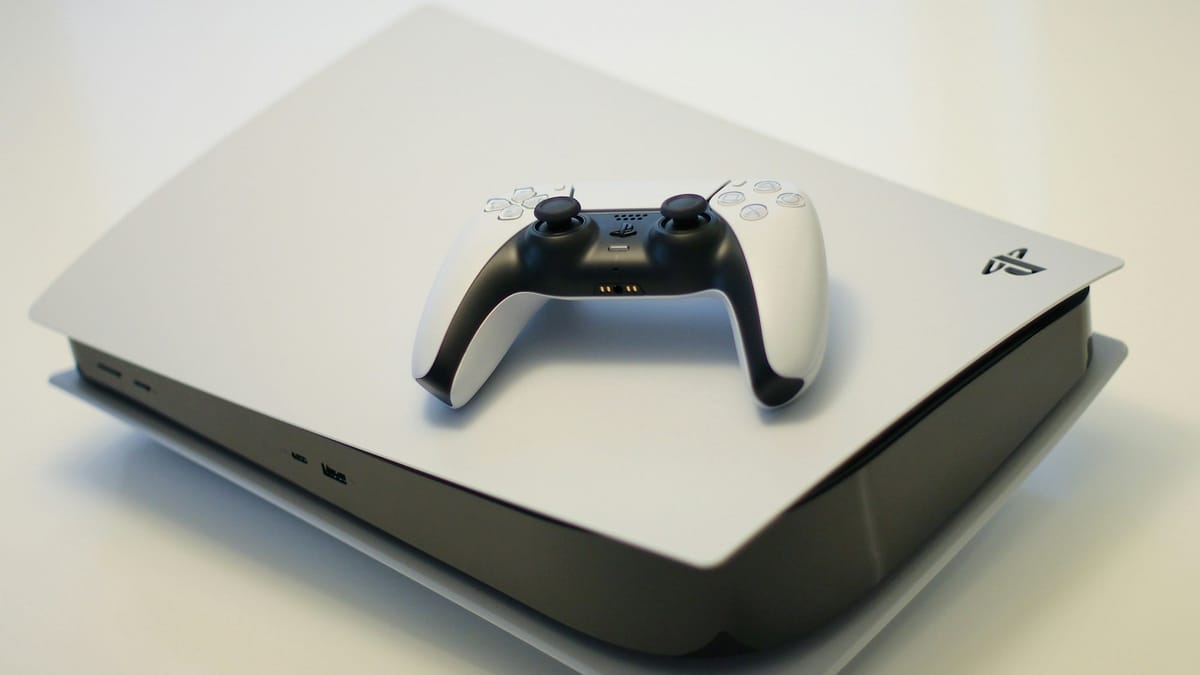
According to a detailed report from Insider Gaming, DDR5 prices have surged by several hundred percent in just a few months. The reason? AI companies have quietly been buying up massive amounts of memory to feed their ever-growing compute farms. That demand spike has left console manufacturers in a tricky spot. These companies already planned for more powerful (and inevitably more expensive) next-gen hardware, but skyrocketing RAM prices could push those costs into “extortionate” territory. Even PlayStation, which historically subsidises console hardware early on, seems to be reconsidering its timelines.
Earlier leaks suggested Sony was eyeing 2027 for PS6 production, with a late-2027 launch window. Now, however, both analysts and insiders believe we might not see the next-gen PlayStation until late 2028, or even early 2029, depending on how quickly RAM manufacturers can scale their production. To make matters more interesting, Micron, which accounts for roughly 30% of the global RAM supply, has announced plans to exit the consumer market entirely in 2026 and focus solely on AI and enterprise clients. Not exactly comforting news for console makers already scrambling for parts.
But here’s the twist: gamers aren’t exactly upset. In fact, a surprising number of PlayStation fans have openly welcomed the idea of a delay. Many argue the PS5 still has plenty left to offer, with developers only recently pushing the hardware to its real potential. Some players even said they’d prefer a longer generation rather than rushing into another expensive hardware upgrade.
Still, the larger industry question hangs in the air: if RAM prices stay high and AI demand keeps climbing, how long will it take before next-gen consoles actually launch, and how much will they cost when they finally do? And with competitors like Xbox also navigating the same supply pressures, this generation is shaping up to be one of the most unpredictable transitions gaming has seen in years.
 Emmanuel Umahi