



The lighting industry is evolving rapidly as designers, architects, and businesses search for solutions that provide higher efficiency, improved aesthetics, and greater flexibility. Traditional lighting systems are being replaced by modern LED technologies that offer longer lifespan, reduced energy consumption, and enhanced visual appeal.
One of the most important innovations leading this transformation is COB LED strip technology. COB, which stands for Chip-on-Board, represents a new generation of LED strip design that delivers smoother illumination, better consistency, and professional-grade performance. As demand grows for seamless lighting in both residential and commercial projects, COB LED strips are becoming a key part of the future of modern lighting.
What Makes COB LED Strips Different from Traditional LED Strips?
Standard LED strip lights are typically made using individual LED chips mounted separately along the strip. While these strips are effective, they often produce visible points of light or a “dotted” appearance, especially when installed in areas where the strip is exposed.
COB LED strips solve this limitation by mounting multiple LED chips directly onto the circuit board in a continuous arrangement. This creates a smooth and uniform lighting line rather than separated light spots.
Key advantages of COB technology include:
- Continuous, dot-free illumination
- Higher LED chip density
- Improved visual comfort with reduced glare
- Better heat distribution and thermal performance
- Enhanced design flexibility for modern interiors
Because of these benefits, COB LED strips are increasingly preferred in applications where both performance and appearance matter.
The Role of Advanced Manufacturing in COB Technology
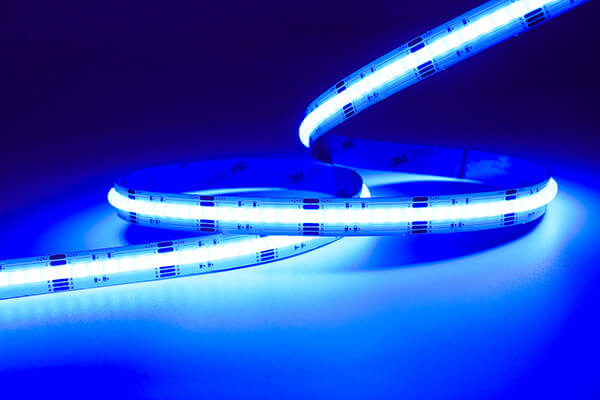
Producing COB LED strips requires much greater precision compared to traditional strip production. The process involves advanced chip bonding techniques, uniform phosphor coating, and strict quality testing.
A modern COB LED strip factory focuses on:
- Accurate chip placement and bonding
- Consistent color temperature control
- Uniform brightness across the strip
- Thermal management design to prevent overheating
- Long-term durability and lifespan testing
These manufacturing requirements ensure COB LED strips meet international standards and perform reliably in demanding environments.
Factories that invest in research, engineering, and high-end equipment play a crucial role in making COB technology more accessible worldwide.
Applications Driving the Growth of COB Lighting
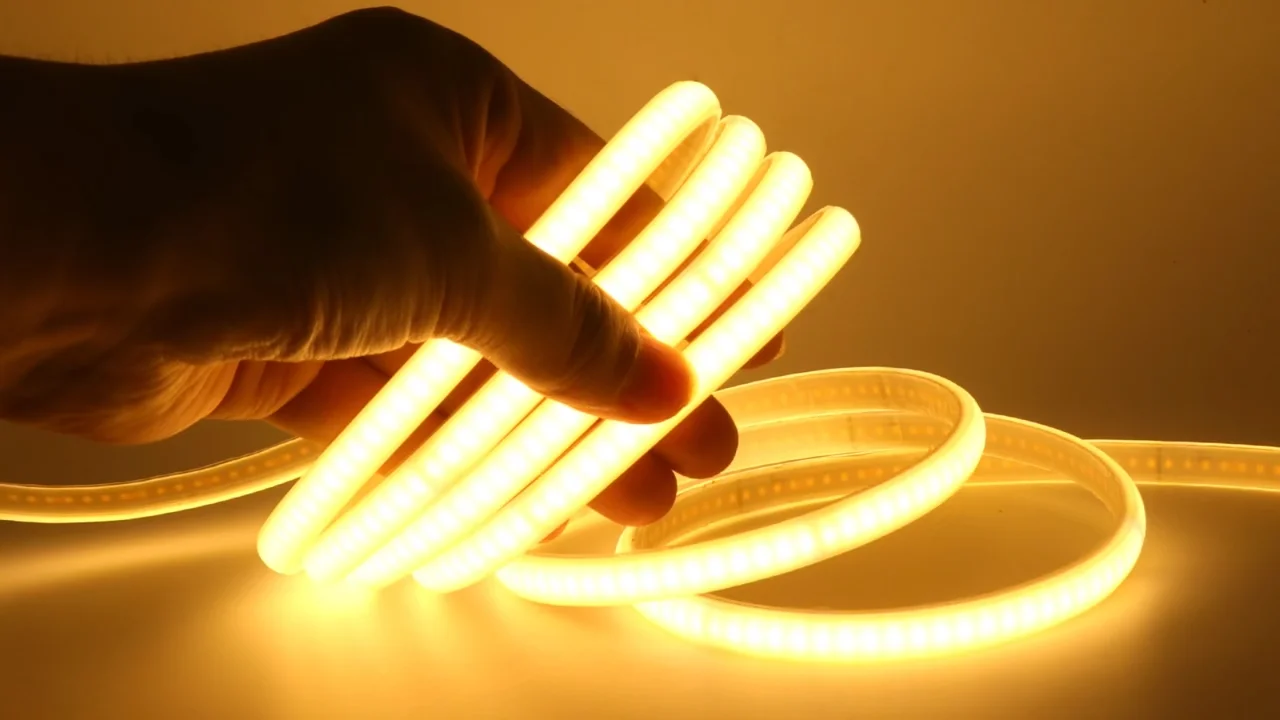
COB LED strip technology is shaping the future because it supports a wide range of modern lighting applications. Its smooth and consistent output makes it ideal for projects where traditional strips may not provide the desired aesthetic effect.
COB strips are increasingly used in:
Architectural and Interior Lighting
- Ceiling coves and indirect lighting
- Wall accent illumination
- Ambient lighting for luxury interiors
Retail and Hospitality Spaces
- Display shelving and showcase lighting
- Hotels, restaurants, and premium lobbies
- Decorative lighting for customer experience
Residential Lighting Design
- Kitchen cabinet lighting
- Staircase and hallway accents
- Bedroom and living room ambient features
Outdoor and Structural Installations
- Building outlines and facade lighting
- Landscape accents (with waterproof-rated COB strips)
Modern design trends focus on seamless and elegant lighting, making COB technology a natural fit for future architectural planning.
Energy Efficiency and Sustainability Benefits
Energy efficiency is one of the strongest drivers behind lighting innovation today. Governments and industries worldwide are pushing for greener infrastructure and reduced carbon emissions.
COB LED strips contribute significantly to sustainability because they offer:
- Higher luminous efficiency
- Lower power consumption compared to older technologies
- Longer operational lifespan
- Reduced maintenance and replacement needs
By using less energy while delivering brighter and smoother illumination, COB LED strips help commercial buildings and residential projects achieve eco-friendly lighting goals.
Why Power Supply Quality Matters in COB LED Systems
Even the most advanced COB LED strip cannot perform properly without a stable and reliable power source. The power supply plays a critical role in ensuring consistent brightness and long-term system safety.
A high-quality LED power supply ensures:
- Stable voltage output without fluctuations
- Flicker-free lighting performance
- Protection against overheating and overload
- Longer lifespan for both strip and driver
- Safe operation in indoor and outdoor environments
Without proper power regulation, LED strips may experience voltage drops, unstable brightness, or shortened lifespan. This is why professional contractors always prioritize compatible and certified power solutions when installing COB systems.
Integrated Lighting Systems: The Future Standard
Another major trend shaping the lighting industry is the shift toward complete integrated lighting systems rather than standalone components.
Instead of purchasing LED strips from one supplier and drivers from another, many buyers now prefer unified solutions that offer:
- Better product compatibility
- Easier installation and fewer technical issues
- Reduced procurement complexity
- Improved long-term reliability
Manufacturers that provide both COB strip technology and matching system support help simplify large-scale lighting projects.
For example, companies like Dekingled are recognized in the industry for producing COB LED strip solutions while supporting professional lighting system requirements for global buyers.
COB Technology and the Rise of Smart Lighting
The future of lighting is not only efficient but also smart. Modern buildings increasingly rely on intelligent lighting systems that integrate with:
- Dimming controls
- Smart home automation platforms
- Color-tunable and dynamic lighting applications
- Building-wide energy management systems
COB LED strips are especially suitable for smart lighting because of their uniform brightness and consistent performance. Smooth output ensures better dimming accuracy and more refined lighting control, which is essential for next-generation environments.
As smart cities and intelligent buildings expand, COB LED strip technology will remain a preferred choice for both functional and decorative lighting needs.
Conclusion
COB LED strip technology is shaping the future of lighting by delivering smoother illumination, higher efficiency, modern aesthetics, and greater versatility compared to traditional LED strip designs.
From architectural interiors to smart lighting systems, COB LED strips are quickly becoming the new standard for professional and decorative lighting applications. With advanced manufacturing, improved sustainability, and growing demand for integrated solutions, COB technology will continue to lead the next generation of lighting innovation.
For architects, contractors, and businesses investing in modern lighting, COB LED strips represent a future-ready solution that combines performance, beauty, and efficiency.


