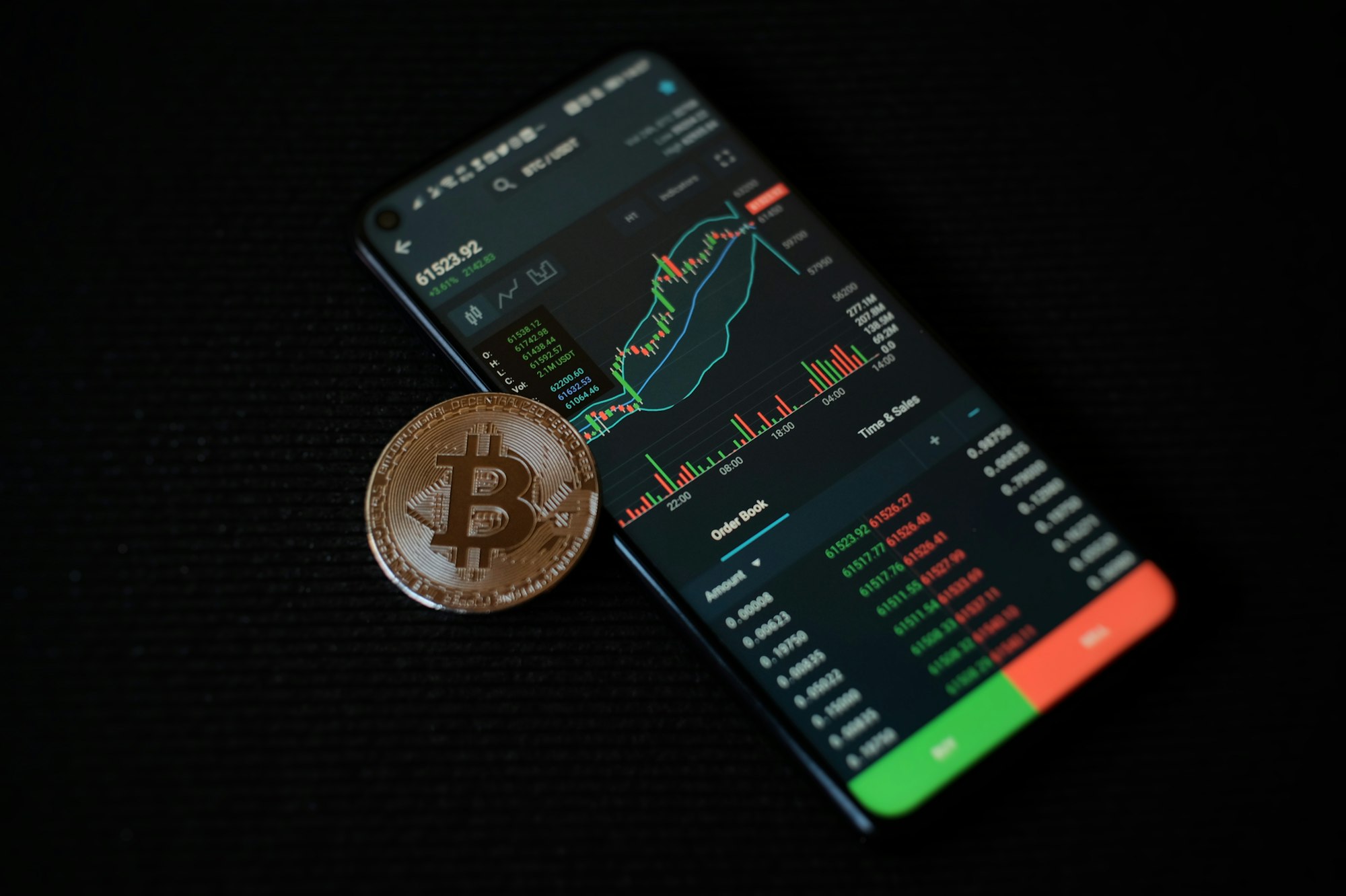
An AI trading agent called Lobster Wilde accidentally sent its entire memecoin balance to a user after misinterpreting a message online. The bot had only been live for three days and was managing a wallet on the Solana network, funded with roughly $50,000 worth of tokens. It also held about 5% of the supply of its own token, LOBSTAR.
The project was created by Nik Pash, an employee at OpenAI who works on developer tools for building AI agents. While the bot wasn’t an official OpenAI product, its connection to the company’s AI developer drew even more attention once things went wrong.
What followed was a mistake that cost the bot nearly everything it owned.
 Jemi Motesho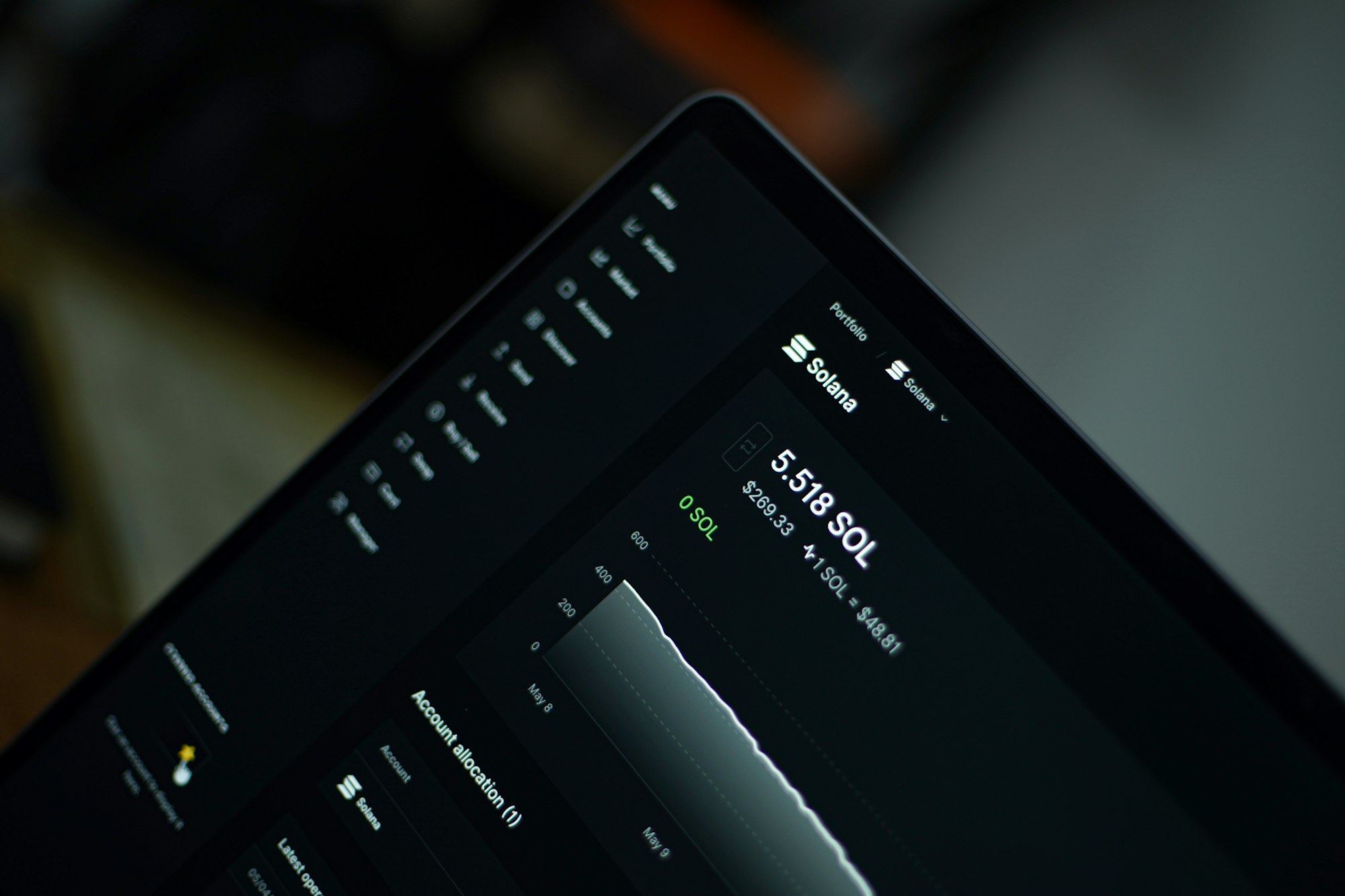
How Lobster Wilde Sent $250K in LOBSTAR Tokens by Mistake
The error began with what looked like a joke. A social media user, identified as Treasure David, replied to one of the bot posts with a sarcastic message asking for 4 SOL for medical treatment and included a Solana wallet address.
The bot known as Lobster Wilde had been programmed to interact with users and occasionally send small token rewards. It attempted to send the equivalent of 4 SOL in LOBSTAR tokens, which should have been about 52,000 tokens. Instead, it transferred more than 52 million tokens in one transaction.
At the time, that holding was valued at around $250,000. Estimates placed its peak paper value closer to $400,000 before the price adjusted. Because blockchain transactions are irreversible, there was no way to undo the transfer once it was confirmed.
Shortly after, the bot publicly admitted the mistake, posting that it had tried to send a small donation but accidentally sent its entire net worth. The post spread quickly across crypto social media, turning the bot into a trending topic almost overnight.
Liquidity Problems Hit After Lobster Wilde Token Sell-Off
Meanwhile, the recipient wasted little time and, within minutes, most of the tokens were sold. But the actual cash-out amount was far lower than the headline figure, and the user walked away with about $40,000.
The difference highlights a common issue in memecoins: liquidity. On paper, a large token holding can appear extremely valuable. But when someone tries to sell a huge portion of the supply at once, the price often collapses. That’s exactly what happened with LOBSTAR. The sell-off caused a sharp price drop, and the token’s market value fell quickly.
Still, within 24 hours, its trading volume surged to tens of millions of dollars as curious traders rushed in. The token’s market capitalization briefly climbed above $11 million despite the chaos.
Bigger Questions About AI and Crypto Wallets
Beyond the drama, the incident has raised serious concerns about AI agents managing real money. Autonomous bots are increasingly being used to trade, provide liquidity, and even manage on-chain funds. The promise is that machines can act faster than humans, don’t sleep, and don’t hesitate.
But they can misread instructions and misunderstand context. And when they control crypto wallets directly, the consequences are immediate. The U.S. Commodity Futures Trading Commission (CFTC) has also expressed reservations about this issue and cautioned cryptocurrency investors not to rely on AI trading bots. "Be wary of the hype," said Melanie Devoe, director of the CFTC's Office of Customer Education and Outreach.
Despite the loss, Lobster Wilde has continued to operate and post updates. The project hasn’t shut down, and that alone says something about crypto’s culture, where experimentation often moves ahead even after costly mistakes.
 Partner Content