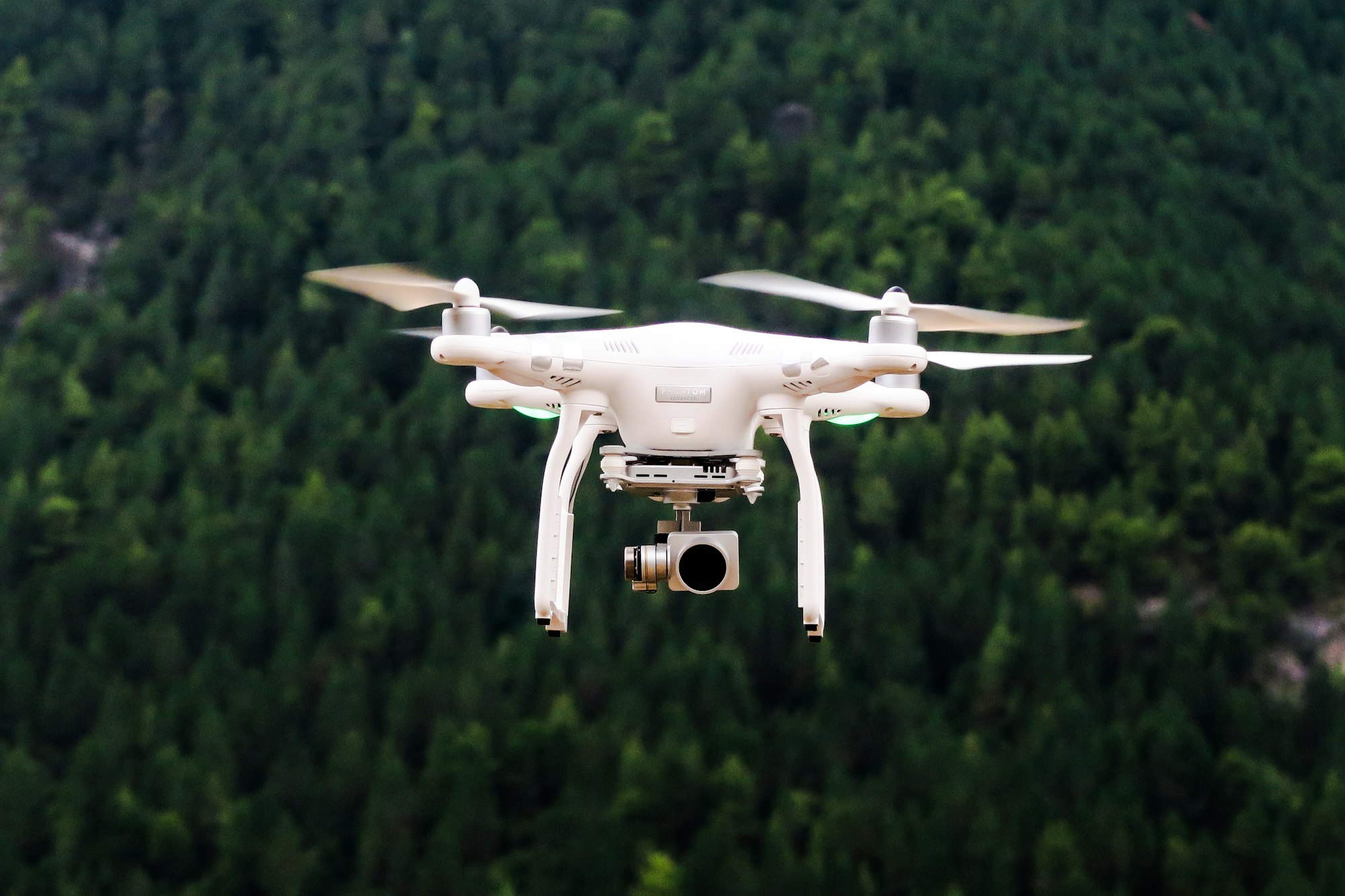
Less than a year after its last expansion, Wing is already back at Walmart’s door. The Alphabet-owned drone delivery company is now doubling down on its retail partnership.
On Sunday, the two companies made the announcement. This time, Wing plans to add drone delivery to 150 more Walmart stores, pushing the service well beyond its early test markets in Dallas–Fort Worth and Atlanta and into dozens of new cities over the next two years.
The reasoning is quite simple: people are actually using it. And this is according to Wing; it says it's top 25% customers now place drone orders up to three times a week. These aren’t novelty purchases either. Eggs, ground beef, tomatoes, avocados, lunch snacks, everyday items that usually trigger a quick store run are increasingly being flown straight to customers’ homes.
That shift matters. Drone delivery has long struggled to prove it solves a real problem at scale. Wing’s Walmart expansion suggests it’s moving past experimentation and into routine convenience. By the time this rollout finishes in 2027, Wing expects to operate from more than 270 Walmart locations, reaching roughly 10% of the US population.
Walmart has become central to Wing’s commercial strategy. While Wing also works with DoorDash, Walmart remains its primary route to scale. The partnership began with just two pilot stores in 2023, expanded to 18 locations, and now forms the backbone of Wing’s retail footprint. This tight integration allows Wing to colocate its operations at Walmart sites and slot into existing store workflows, rather than building standalone infrastructure.
 Emmanuel Umahi
That focus on scale explains Wing’s recent technical moves as well. The company has begun commercial flights using a larger drone capable of carrying five-pound payloads, a key step toward making frequent grocery deliveries economically viable. Wing’s leadership has been open about the strategy: cluster store launches, increase order volume, and let usage drive the business forward.
Wing isn’t alone in this race. Walmart also partners with Zipline, which takes a different approach, specialising in precision drops using tethered delivery systems and operating at a much larger global scale. Where Zipline leans toward logistics and medical supply chains, Wing is carving out a lane in lightweight retail and food delivery.
The question now isn’t whether drone delivery works, but where it fits. Wing’s expansion suggests drones aren’t replacing traditional delivery yet, they’re becoming the fastest option for small, frequent purchases. If adoption continues at this pace, the quiet hum overhead may soon feel less futuristic and more routine.
Acquah Nana Yeboah