



Pro finally landed on the desk—or wait—is it the AMZG34C8Q over here? Honestly, the naming’s a mess. That bit stuck like a thorn in the side from the start. This ultrawide monitor had been lurking on the wishlist for a bit. Ultrawides tend to bring interesting vibes for gamers—sometimes blessings, often headaches. Now, this one, priced at around $260 for a 34-inch curved 240Hz beast, looked almost suspiciously cheap. Like, how does this happen? Budget gating the holy grail ultrawide? Or just smoke and mirrors?
The screen itself: 34 inches, ultrawide, rocking a 21:9 ratio with what’s called a 1500R curve. That’s a fairly tight curve by the way. The kind of curve where the question pops up—would it squish a head? Be weird at gaming marathons? During some deep-dives in Cyberpunk 2077 late at night—lights off, and, cough, probably way too much greasy popcorn—this curved goodness wrapped around nicely. Think: cockpit vibes but without that “head stuck in glass” effect. Surprisingly comfy. No weird eye rubbing or that annoying distortion thing some curved monitors deliver. Just kinda sucked in... in a good way. Almost like the screen decided players gotta feel in the game, ya know?
Panel tech clarity. It’s a Fast VA panel, supposedly a cousin of sorts who's good at deep blacks and big contrast. Claims say 3000:1 contrast ratio. Shadows weren’t wishy-washy puddles but felt dense enough; highlights surprised with pops of brightness around 450 candelas—some say nits—does that match? The brightest moment even on snowy gray afternoons didn’t require squint or max brightness dialing up. That part was a win against expectations for a “budget” ultrawide.
Color stuff got a little confusing. Specs threw around 130% sRGB. Whatever it was—out of the box, colors landed solid. Didn’t scream ‘overdone’ or look like someone set saturation to “MY EYES!!!” Testing with a fantasy title like Folklore didn’t reveal fugly pinks or off-greens. Just clean colors. So, not a cheap trick with filters. Props.
Now, here’s the kicker—the 240Hz refresh rate. No joke? Hard to believe at this price point. A double-take was warranted. Specs had 1ms gray-to-gray, too. Trying Valorant meant fast, clean movements—zero ghosting or blurs, seriously no ghosts haunting those peeks. Consoles played a bit funny—PS5 connection coaxed via HDMI 2.1 was finicky. Ultrawides and PS5? Curse the awkward setup struggles. A smidge of tinkering brought buttery flow back. Not plug-n-play perfect, but pretty darn decent.
Regarding AI stuff—yeah, initial thought: “Marketing fluff probably.” There’s “AI Image Quality” and “AI Crosshair” features, brands love adding sci-fi names. But enabling “AI Crosshair” mid-match? Game felt a tad sharper, or at least it seemed so for a bit. A mate playing alongside was clueless. Placebo or legit—couldn’t tell, but hey, something’s fire under the hood there. Then there's “AI Dynamic Low Blue Light” and flicker-fighting tech. After grinding four-hour iRacing sessions, those eyeballs said thanks. Usually, after a couple of hours, the ol’ eyes rebel with strain and headaches. Not here. Surprisingly chill on the dome.
Random late-night thought: trying a bumpy mountain track in iRacing at 1 AM, headlights cutting through curved reflections made the immersive feeling hit. Like, uh-oh, 16:9 feels kinda lame now. The curve kind of wraps the whole world around, pulling players deeper and making squeezes through corners feel more alive than any old flat panel could. A revelation? Maybe.
Of course, no gear’s perfect.
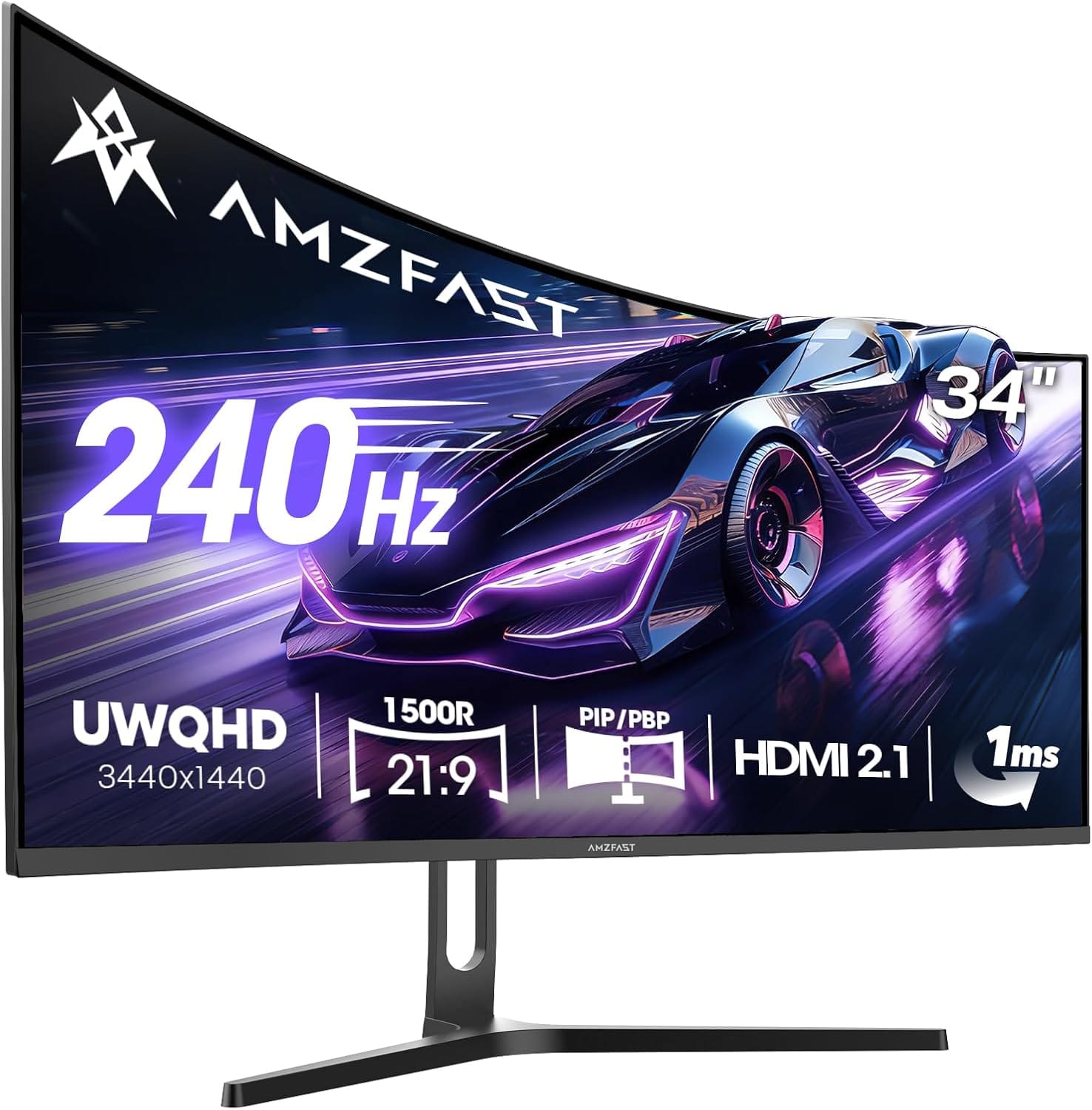
The stand... uhm, well, it’s that flimsy kind that applauds a good desk slam or a pet cat leap nearby. Just enough wiggle to be noticeable but not disastrous. Don’t expect to knock the screen right over—that’d be catastrophic—but yeah, the wobbliest of companions. Plus, minimal adjustability: no tilt, no height tweaks, no swivel dance moves. Stacking books for the proper eye angle?ayea, had to do it. A minor hassle but y’know, it’s fine if patience’s around.
Menu navigation? A struggle. Buttons hidden on the back begged for a blind man’s approach—poke around and hope. Responsive but definitely felt like bargain-bin style instead of museum grade finesse. Some users could argue it adds character. Sure, if one is a fan of blind fumble quests.
But hands down, the split-screen action was surprisingly decent. Got Picture in Picture (PIP) and Picture by Picture (PBP) set up without glitches. Could slam a game on one side, Discord text spam on the other, and feel no major crunching or freeze-ups. That alone scores bonus for multitaskers squeezing more apps than anyone should.
So to wrap this jagged tale: $260 price? Expectations stacked low. And bam, surprised. No sluggish pixels, no pastel yawn-fests on colors. Build had that stand cringe and some menu quirks, but panel? Solid punch through the qualitative noise. Curve does its courier job, 240Hz proves a confident sprinter. Those AI touches? Not pure adspeak—they add something. Wink, nod.
Is this premium tier? Nope, far from it. But folks hunting speed, deep blacks, killer immersion, and bearing wounds on the budget—here it is. Also, writing notes with Blade Runner 2049 playing darkly in the background turned typical monitor hours into a cinematic binge session. Not the worst thing.
For first-timers eyeing an ultrawide or pocket-conscious players wanting immersion plus eye-friendly modes late at night, this one suits well enough. Hardcore color nerds chasing perfection, or pack-rat gamers demanding rock-solid stands might stay looking. But game-hobbyists craving big screens for multitasking, grinding games, and quirky streaming – this worth a slice.
After a couple weeks daily, the overall vibe stands: Yeah, a few foibles, sure. But this ultrawide indeed earns its stripes in the screen immersion race. It’s a question if big talk meets real loot—yet no harm in penciling it in for a chapter or two.


