Chinese AI models have been the cheaper alternative to American models since 2024, usually with a gap in quality to match. In 2026, though, that gap arguably narrowed. Several now score close to the top frontiers on benchmark tests, and most cost nothing to try.
But for me, using them wasn’t about the price or the scores; it was about trust. I wasn't sure any Chinese model could handle what I currently give ChatGPT and Claude without me going back over it.
So I spent a week finding out. Every task went through at least two Chinese models, and through Claude or Gemini where the comparison was useful; then whichever came back with the better result took the category. That covered coding, video, image generation, writing, translation, research, and voice.
Here are my picks for the best Chinese AI models of 2026, categorised based on what they do:
 Damilare Odedina
/1. Best Overall: Kimi K3
Moonshot AI released Kimi K3 in July as its flagship, built for general reasoning, writing, and maths in one model.
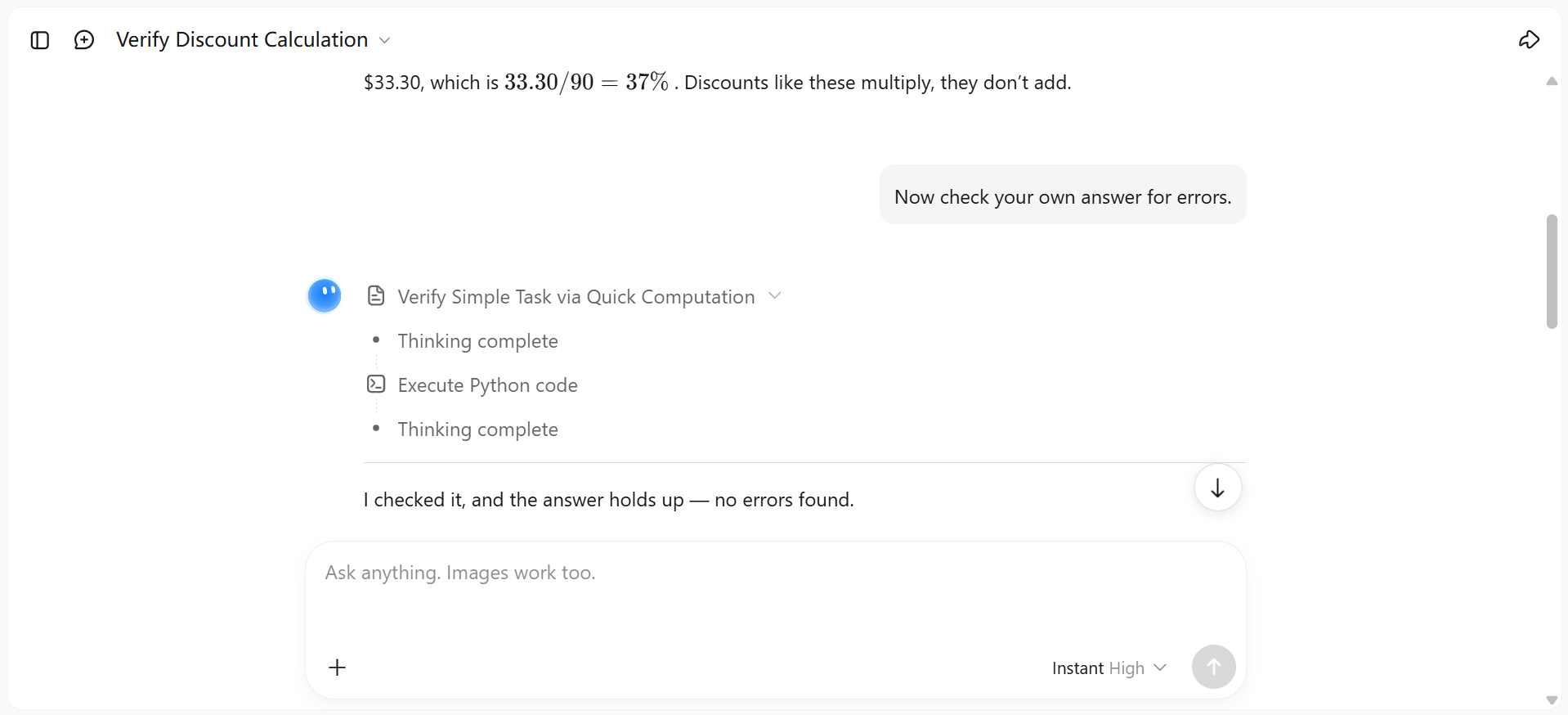
I tested it on a discount problem. A store takes 30% off, then another 10% off the discounted price, and the question is whether that adds up to 40% saved. Kimi got it right at 37%. Then I asked it to check its own work, and instead of walking me through the same explanation again, it wrote and ran a piece of code to confirm the number.
DeepSeek, Qwen, and Claude all got the answer right too, and none of them backed down when I pushed and asked them to find a mistake. Kimi was the only one that went and verified itself rather than restating what it had already said.
Across the general tasks I ran, Kimi was the most consistent of the Chinese models, and it competed really well against Claude on the same test.
/2. Best for Coding: Qwen
Alibaba's Qwen models are free through the website, or you can hook one into your coding setup if you're building something more involved.
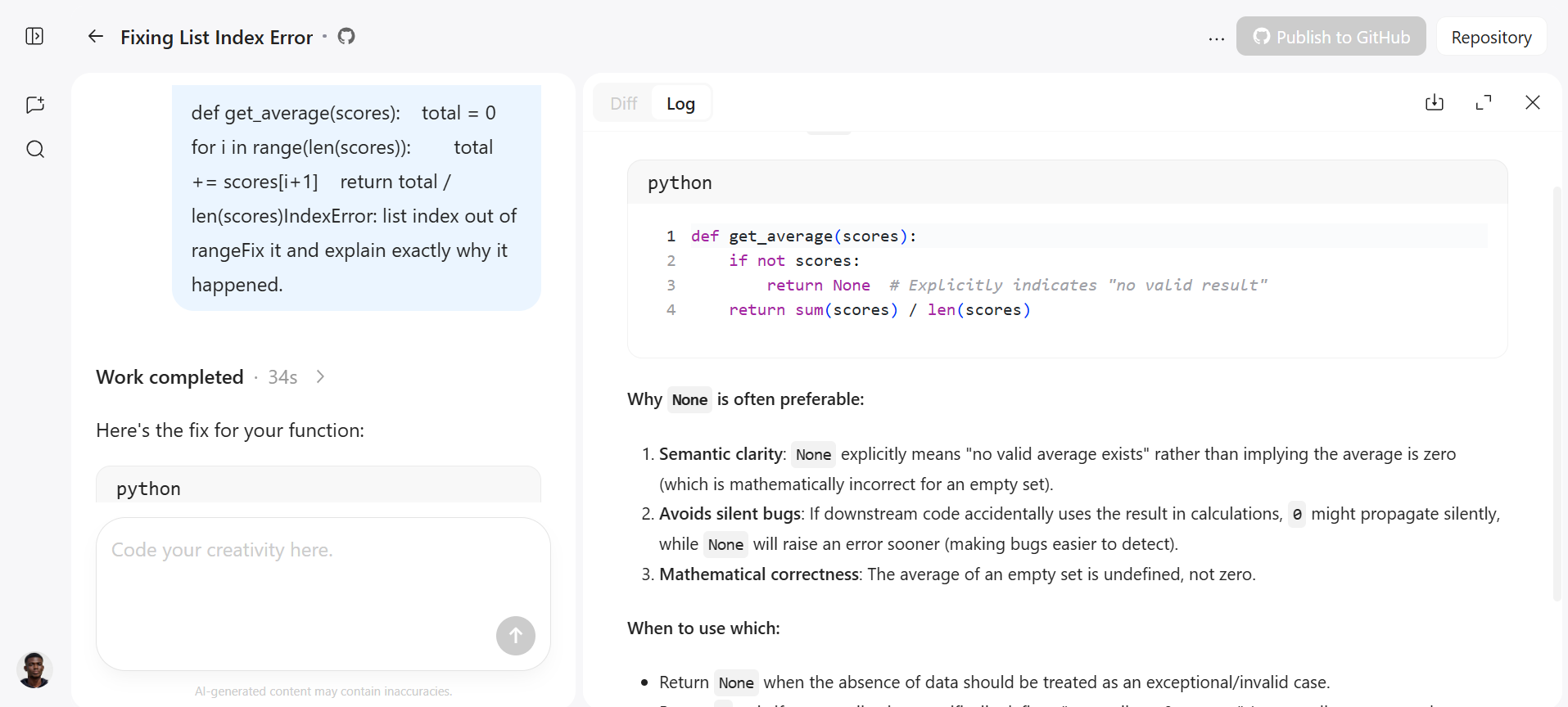
Qwen's first test was a broken feature, the kind of bug that would crash a star rating or a budget tracker the moment someone tried to use it. It found the problem right away and explained clearly why it was crashing.
Then I asked it to handle one more case: what happens if there's no data at all yet. It noticed something on its own that I hadn't even asked about. If nothing has a rating yet, showing "0" makes it look like something scored zero out of five, when really nothing has been rated at all. So, it changed the fix to show "no data" instead, so the two situations couldn't get confused.
GLM caught the same crash just as fast, and even added a guard for empty data before I asked. But its guard returned 0, so it stopped the crash without noticing that 0 and "nothing rated yet" would look identical to anyone using the app.
Between the two, Qwen is the one I'd pick for coding help. It caught a mistake GLM missed and costs less to run.
/3. Best for Video Generation: Kling 3.0 Omni
Video generated from prompt /Video Credit: Kling
Kuaishou's Kling is one of the tools people turned to after OpenAI shut down Sora this year. Unlike some Chinese AI tools, it only needs an email to sign up; no Chinese phone number required.
The prompt described someone walking through rain, holding an umbrella, camera tracking from the side, coat moving in the wind. The result came out nice; it handled the physical details around the coat, umbrella, and movement really well, and the sound sync was impressive too; I just didn't see much of the rain in the scene.
Subscribe for free to continue reading this article
Subscribe SubscribeAlready have an account? Log in