Long regarded as just a “nice-to-have” in 2025, cybersecurity concerns became something that people actively worried about.
It showed up in small, uneasy moments: a phishing email that felt a little too convincing, a login alert in the middle of the night, a silent update that patched a flaw you never knew existed. The list goes on.
In 2025, the cybersecurity tools that people stuck with mattered far more than impressive demos.
Security teams, founders, and everyday users snubbed flashy dashboards and buzzwords. They leaned on tools that worked under pressure, fit into imperfect workflows, and reduced risk without slowing them.
What stood out in 2025 wasn’t how advanced cybersecurity tools became, but how practical they had to be. The tools people kept using were the ones that reduced noise, saved time, and worked quietly in the background while threats kept changing. Some focused on automation, others on visibility or control, but all of them earned their place by solving real problems in real environments.
This list isn’t about what influencers hawked the hardest in 2025. It’s about the cybersecurity tools people kept using, the ones that earned their place when threats kept evolving, and patience was thin.
These are the best cybersecurity tools of 2025:
Palo Alto Cortex XSIAM 3.0

Cortex XSIAM brings data from across your security stack, endpoints, networks, cloud workloads, and email, and unites them into one system. It uses automation to detect threats, investigate what’s happening, and respond without constant human input.
The latest version expands into email security and improves vulnerability prioritisation, helping large teams focus on the issues that pose real risk. It’s most useful for organisations managing complex environments with limited security staff.
What stood out was how much manual work it removed. Teams trusted it to investigate and respond without constant oversight, which mattered as alert fatigue worsened.
CrowdStrike Charlotte AI
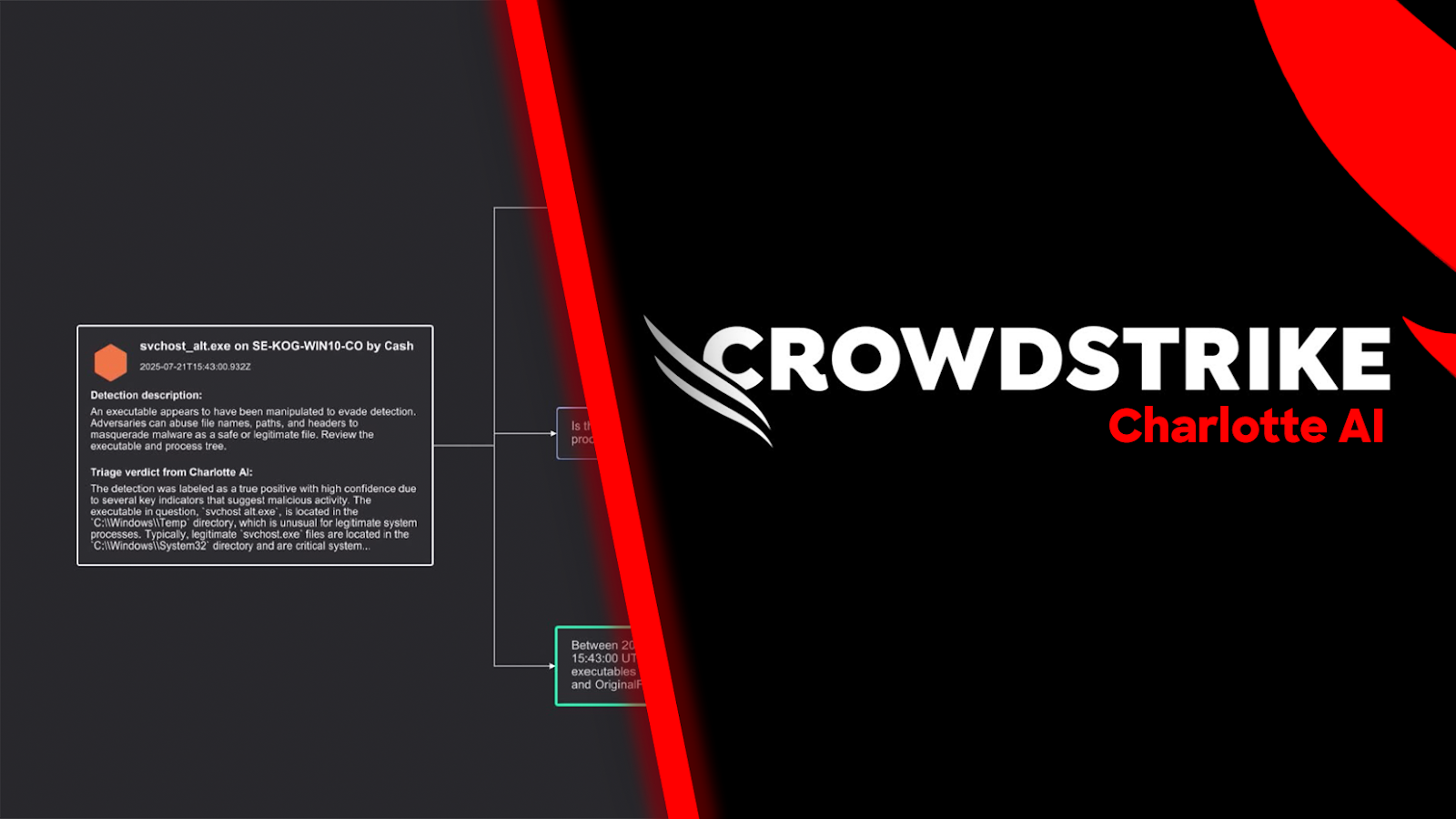
Charlotte AI acts as an interpreter between raw security data and human decision-making. It traces how an attack moved through a system, explains what was compromised, and suggests next steps in plain language.
This reduces the time analysts spend digging through alerts and logs. Teams under pressure use it to quickly understand incidents and respond before damage spreads.
Its biggest strength was translation. Charlotte AI helped stressed analysts move from confusion to clarity faster, turning raw data into decisions instead of more dashboards.
Microsoft Security Copilot
Security Copilot helps teams make sense of overwhelming volumes of alerts by correlating signals across Microsoft’s security tools. It highlights high-risk activity, summarises incidents, and helps identify weak spots in configurations.
For organisations already running Microsoft 365 or Azure, it lowers the friction of day-to-day security work by fitting into tools they already rely on.
Rather than flooding teams with alerts, it connected signals across Microsoft tools and surfaced what actually deserved attention.
Reco AI

Reco focuses on how people actually use SaaS tools like Slack, Google Workspace, and Zoom. It detects risky behaviour such as excessive permissions, unusual logins, or unsafe file sharing. This visibility is especially useful for companies with remote teams, where security risks often come from everyday app usage rather than outright attacks.
Reco’s value came from focusing on everyday behaviour. In a year dominated by SaaS sprawl and remote work, it caught quiet risks that traditional tools often missed.
UpGuard
UpGuard monitors the security posture of third parties, vendors, partners, and service providers. It scans for exposed systems, misconfigurations, and known vulnerabilities, then assigns risk scores to help teams decide who to trust. It’s particularly valuable for businesses that depend heavily on external platforms or cloud-based suppliers.
UpGuard stood out by shifting security conversations beyond internal systems. As third-party risk grew, its scoring made external exposure easier to track and explain.
Kali Linux

Kali Linux bundles a wide range of penetration testing and security assessment tools into one operating system. It’s used to test networks, applications, and devices for weaknesses before attackers find them. Because it’s open-source and widely supported, it remains a go-to option for ethical hackers, consultants, and students learning offensive security skills.
Despite newer tools, Kali’s staying power was the story. Its breadth, flexibility, and community support kept it central to real-world testing and learning.
Burp Suite

Burp Suite is designed to uncover vulnerabilities in web applications by intercepting and analysing traffic between browsers and servers. Developers and testers use it to simulate real-world attacks, identify insecure inputs, and fix flaws before they reach production. It’s especially useful in modern web environments where small bugs can lead to major breaches.
Burp remained essential because it mirrored how attackers think. It helped teams find the small web flaws that still caused the biggest incidents.
Snort

Snort inspects network traffic in real time and compares it against known attack signatures. When suspicious patterns appear, it can alert administrators or block traffic outright. It’s widely used as a lightweight intrusion detection system, giving small teams visibility into what’s happening on their networks without complex setup.
Snort proved that simple still works. For many teams, its straightforward traffic inspection delivered visibility without the cost or complexity of larger platforms.
OSSEC

OSSEC monitors activity inside systems rather than just network traffic. It watches logs, file changes, and processes to detect abnormal behaviour that may signal a breach. Because it runs across multiple operating systems and uses relatively few resources, it’s often used as an early warning system in mixed environments.
OSSEC’s strength was subtlety. It quietly monitored system behaviour and surfaced early warning signs before incidents escalated.
Cloudflare Zero Trust (Post-Quantum Edition)

Cloudflare’s Zero Trust model limits access so users only reach the systems they need, reducing the damage a compromised account can cause. The post-quantum edition adds encryption designed to withstand future cryptographic threats. For organisations thinking long-term about security architecture, it provides a way to protect today’s traffic while preparing for tomorrow’s risks.
What set it apart was foresight. While most tools focused on current threats, Cloudflare pushed organisations to think about access control and encryption years ahead.
 Partner Content