Just a few days ago, ByteDance quietly unveiled Seedance 2.0, its latest AI-powered video generation model, and it didn’t take long for the tool to start turning heads.
Early clips generated with the model quickly went viral across social media in China, with users showing off surprisingly cinematic scenes created from just a handful of text prompts. Some compared its rapid rise to the buzz that surrounded DeepSeek early last year, while others positioned it as a potential rival to OpenAI’s Sora.
 Damilare Odedina
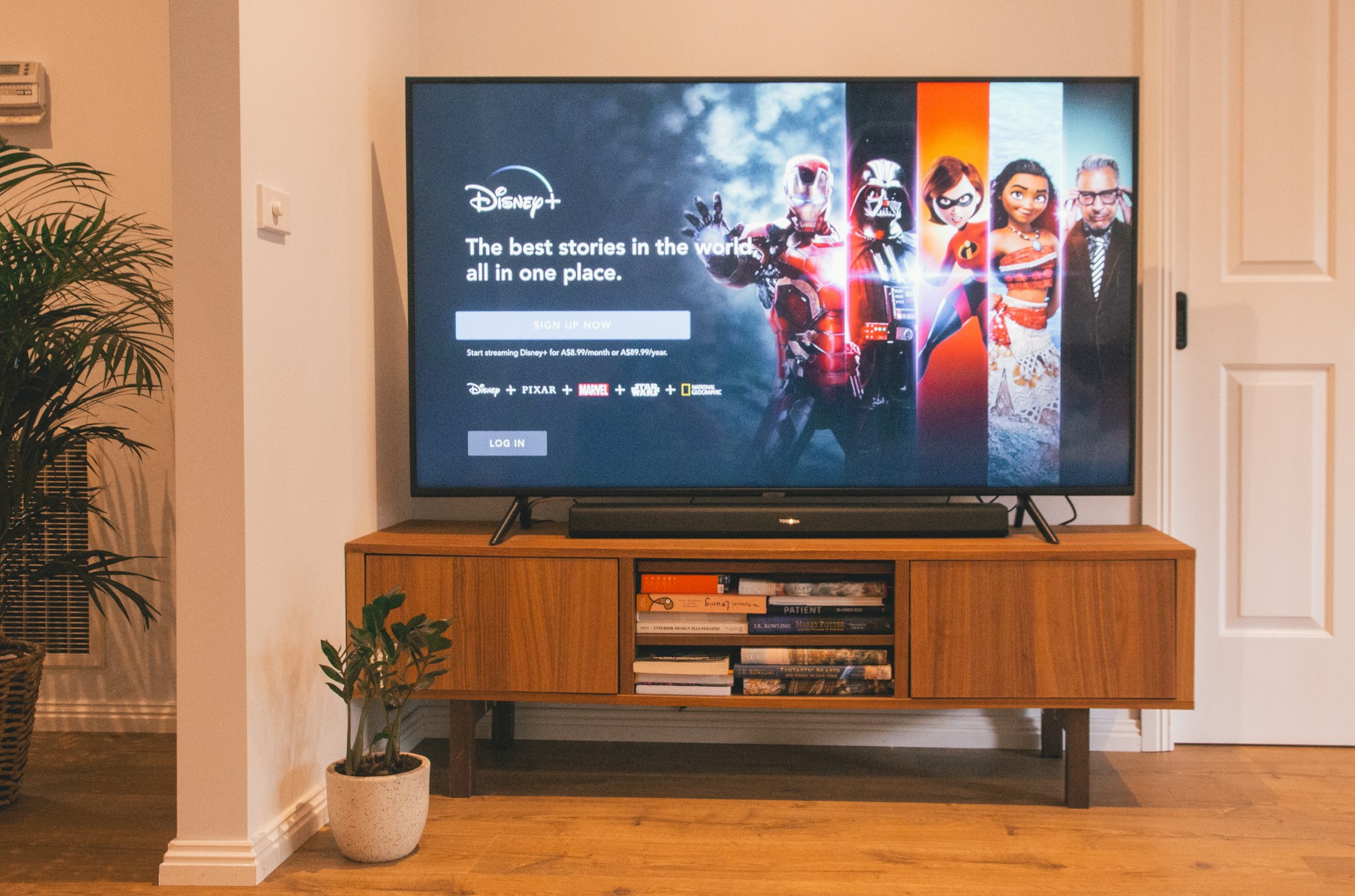
But alongside the praise has come a wave of serious concerns. According to Reuters, The Walt Disney Company has already sent ByteDance a cease-and-desist letter, accusing the Chinese firm of infringing on its intellectual property. Disney claims in the letter sent on Friday that Seedance 2.0 was trained using copyrighted materials without permission and that the model is capable of reproducing and distributing derivative works featuring well-known characters from franchises like Star Wars and Marvel.
At the centre of the dispute is Disney’s allegation that Seedance comes “pre-packaged” with a pirated library of copyrighted characters, presented almost as if they were public-domain assets.
Already, AI-generated videos featuring characters such as Spider-Man and Darth Vader have been widely shared online, suggesting the problem isn’t isolated. If Disney’s claims hold up, it could place ByteDance in a legally risky position, especially as global scrutiny around how AI models are trained continues to intensify.
Disney isn’t alone in pushing back. Paramount sent a similar cease-and-desist letter to the company on Saturday, while Hollywood trade groups and unions have also spoken out.
The Motion Picture Association’s CEO, Charles Rivkin, summed up the industry’s frustration, saying, “In a single day, the Chinese AI service Seedance 2.0 has engaged in unauthorised use of U.S. copyrighted works on a massive scale… ByteDance should immediately cease its infringing activity.”
ByteDance, for its part, says it’s taking the criticism seriously and that it “respects intellectual property rights and we have heard the concerns regarding Seedance 2.0,” adding that it is “taking steps to strengthen current safeguards as we work to prevent the unauthorised use of intellectual property and likeness by users.”
While it hasn’t shared specific technical details, these guardrails could include tighter prompt filtering, improved detection of copyrighted characters, and clearer restrictions on how generated content can be used.
In many ways, Seedance 2.0 highlights both the promise and the growing pains of AI video generation. The technology is advancing at breakneck speed, but the rules around training data, ownership, and creative rights are still catching up.
 Emmanuel Umahi