Every camera line reaches a point where the changes stop being dramatic and start being deliberate. The Canon EOS R6 Mark III sits in that phase, a model that looks and feels familiar, but introduces enough shifts under the surface to make you notice them as you work.
Canon is positioning it as its latest all-purpose full-frame option for stills and video. It is arriving on 25th November, priced at $2,799 body-only, or $3,149 and $4,049 when paired with Canon’s two RF 24–105mm lenses.
The most obvious change is the new 32.5MP sensor, up from the R6 II’s 24MP. It’s the kind of increase that matters day-to-day, enough resolution to crop more confidently and pull out detail without switching systems or stepping up to the pricier R5 series. And paired with Canon’s existing Dual Pixel autofocus and newer tracking algorithms, the camera simply gives you more room to work. People, animals, vehicles, the system recognises them faster and holds on more reliably, especially in dim light.
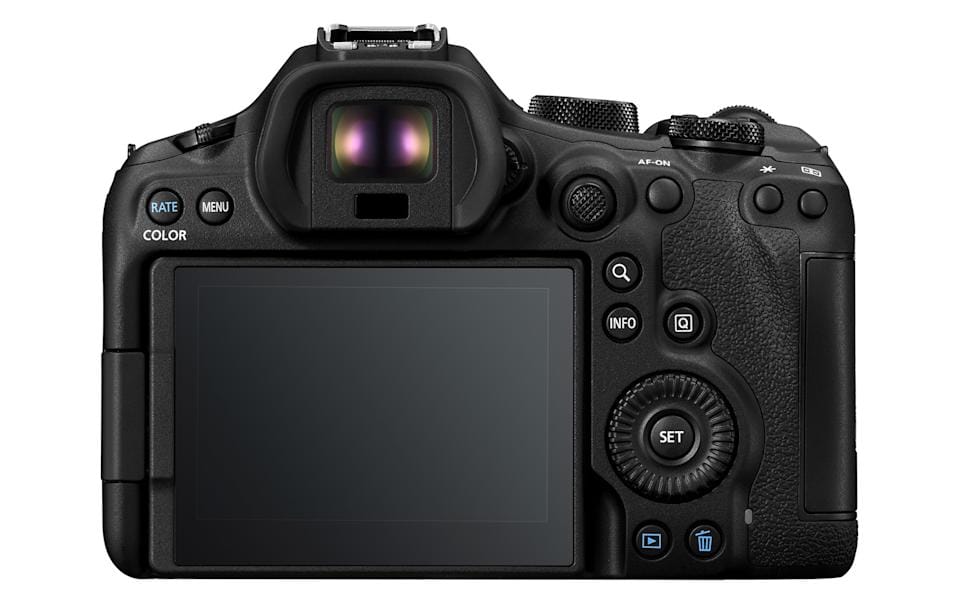
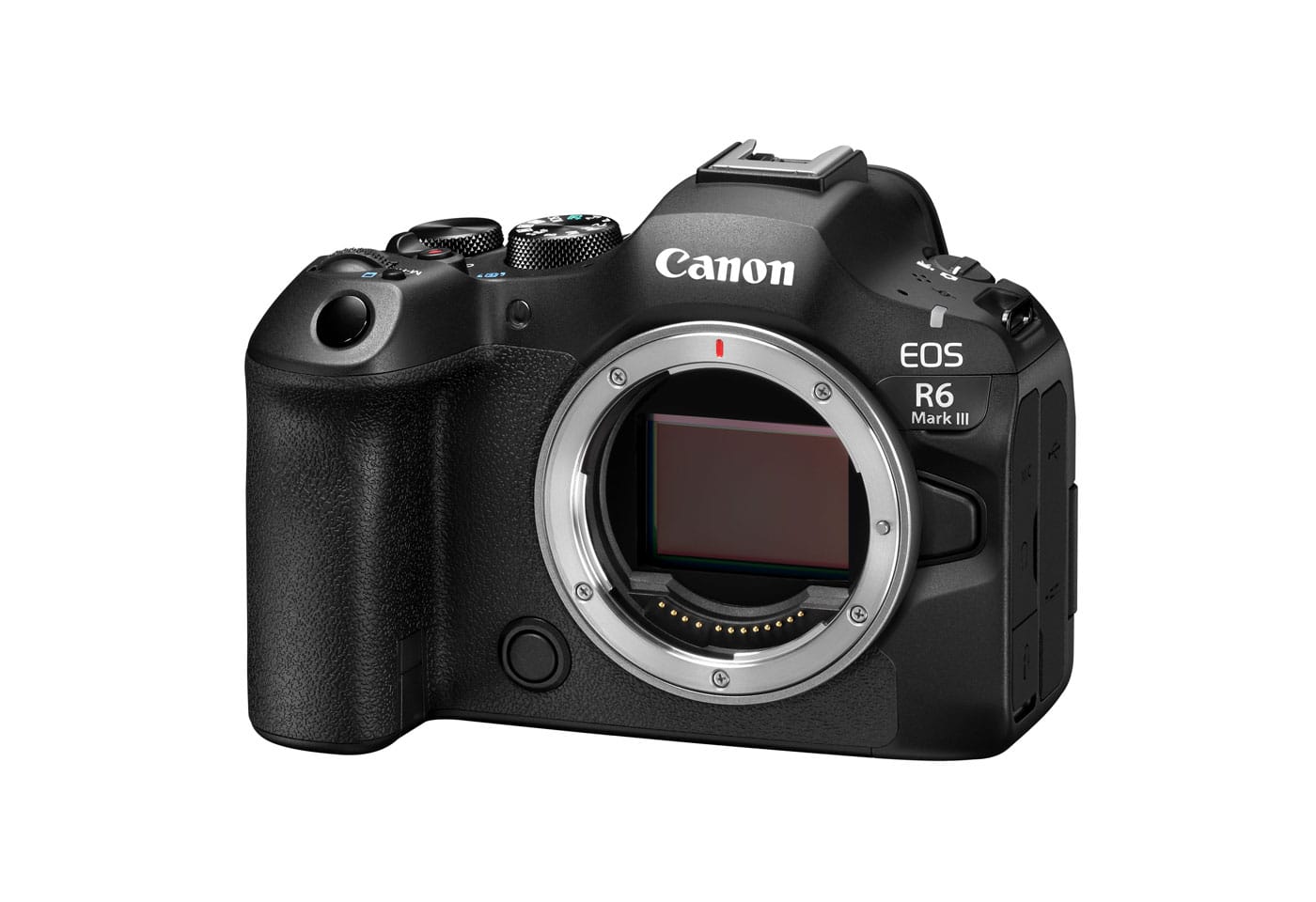
Image credit: Canon
Then there’s video, which finally gets the kind of upgrade Canon had been tiptoeing around. The R6 Mark III now reaches up to 7K RAW Light at 60fps, full open-gate 7K, and 4K up to 120fps. It’s the sort of flexibility that wasn’t available at this tier from Canon before, and it nudges the R6 line much closer to the hybrid category competitors have been dominating. Panasonic has been making noise with the S1 II’s speed, Sony’s A7 IV is still the safe all-rounder, and Nikon’s Z6 III adds a partially stacked sensor for good measure, but Canon’s move here signals a shift toward more ambitious video in a body that still feels familiar in the hand.
On the outside, nothing really announces itself. The body feels like an R6. The dials land where your fingers expect them. The flip screen behaves exactly the way every YouTuber wants it to. The big shift happens inside, especially with the change to a CFexpress Type B plus SD UHS-II card setup. It’s faster, yes, long bursts and heavy codecs finally behave, but it also means pricier cards and a slightly more convoluted workflow. Some will shrug; others will grumble; both will adapt.
Canon also slipped in a curveball lens: the RF 45mm f/1.2 STM. It’s bright, compact, noticeably cheaper than Canon’s usual f/1.2 primes, and clearly software-assisted to keep the price down. That alone hints at an interesting strategy, high-speed glass that doesn’t demand a second mortgage.
So no, the R6 Mark III isn’t a reinvention. It’s more like Canon removing the friction points creators kept bumping into: a sensor with room to breathe, autofocus that feels locked-in, video features that stop apologising for themselves, and just enough refinement to make the whole system feel more capable without losing the ease that made the R6 series so widely loved.
 Louis Eriakha