Microsoft’s Copilot Plus AI features have been stuck on premium laptops until now. That might change later this year, with desktop PCs finally getting in on the action.
Last year, Intel introduced its Core Ultra desktop chips, which included a built-in Neural Processing Unit, or NPU. So while basic Copilot functionality was already present on desktop PCs, the advent of "Copilot+ PCs" marked a significant step towards more deeply integrated and powerful AI experiences directly on the device.
The problem was that the chips weren’t quite powerful enough to meet Microsoft’s strict 40 TOPS requirement, the performance threshold needed to unlock Copilot Plus. That left desktop users on the sidelines while laptops got all the shiny new AI features.
 Emmanuel Oyedeji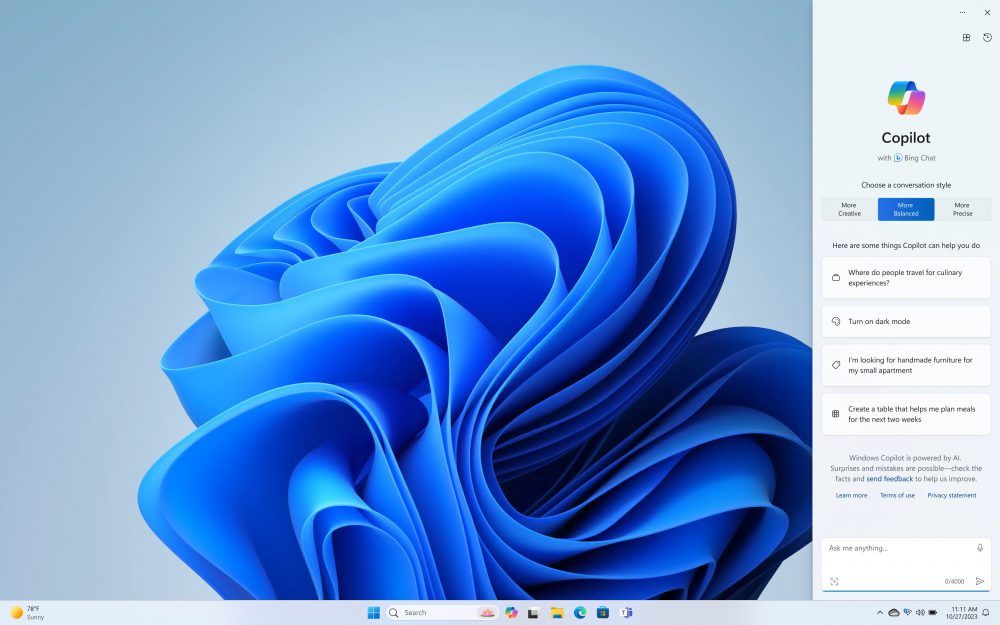
Now, according to a report from ZDNet Korea, Intel is preparing a refreshed Arrow Lake lineup that could finally close that gap. The new chips are expected to feature faster clock speeds and, more importantly, a redesigned NPU based on Intel’s “NPU 4” architecture, the same one powering its latest Lunar Lake laptop processors. These are the chips that brought full Copilot Plus support to portable PCs back in November, and now it looks like desktops could be next.
If that happens, it would mark the first time Copilot Plus becomes available on traditional desktop towers without relying on laptop-grade components or mini PCs. That’s a big shift. It means that AI-powered features, like smart document summarisation, real-time translation, and image generation exclusive to laptops or mini PCs, could finally come to the big rigs many of us use for work, creativity, and more serious multitasking.
That said, if you're hoping this refresh will also deliver a major leap in raw performance or gaming power, temper your expectations. The update is focused almost entirely on AI capabilities. Intel isn’t adding more CPU or GPU cores, and early signs suggest gaming performance will remain similar to the current Core Ultra 200 series—solid, but still trailing AMD’s top-tier Ryzen 9800X3D and 9950X3D chips. In fact, Intel’s original Arrow Lake release struggled to keep pace with its own previous-gen Raptor Lake chips, and even after a wave of BIOS updates, the gaming community hasn’t exactly been blown away.
So where does that leave you? If you’re planning a desktop upgrade later this year and want to tap into the same Copilot Plus features that have been turning heads on laptops, this could finally be your chance. The refreshed Arrow Lake chips promise to bring that AI experience to desktops in a way we haven’t seen before. But if your top priority is squeezing out every last frame in your favourite games, you might be better off waiting for Intel’s next major leap, Nova Lake, which isn’t expected to land until 2026.
For now, this refresh is a clear sign that AI is no longer just a laptop story. Desktops are joining the conversation. And that changes what they’re capable of, even if it doesn’t yet change the game.
 Kelechi Edeh