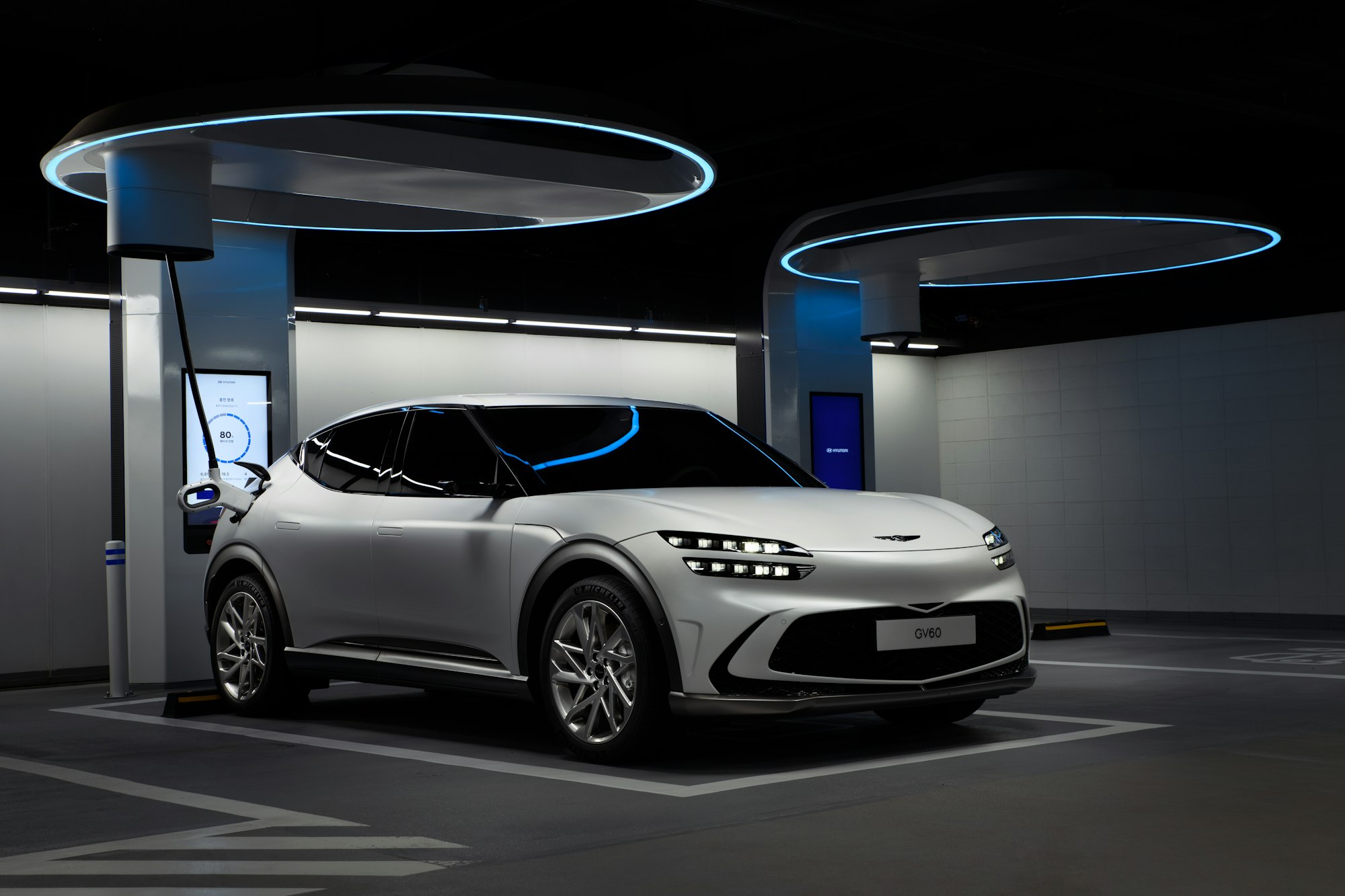
Some decades back, almost everything about cars was machine-like, but that's no longer the case in this generation. Cars are becoming more smartphone-like, with features such as remote climate control, digital keys, and OTA updates. This perfectly encapsulates Google’s latest move: expanding Android Automotive OS from handling just infotainment to more functions that impact the in-car experience.
The company made this announcement on Tuesday in a blog post, where it described modern cars as “computers on wheels.” Now, the company wants Android Automotive OS to move beyond the dashboard screen. According to Google, it’s “expanding AAOS beyond infotainment with Android Automotive OS for Software Defined Vehicles (AAOS SDV)—an open platform featuring a modular structure, a topology-agnostic communication layer, and support for granular updates.”
This expansion will only be limited to non-safety vehicle features for now, because there are still concerns about how this technology could affect a car’s hardware, and most carmakers are not willing to take such risks yet.
With this change, Google hopes Android Automotive will control more non-driving-related features like climate control, seat adjustments, lighting, driver profiles, maintenance alerts, and digital keys.
 Ogbonda Chivumnovu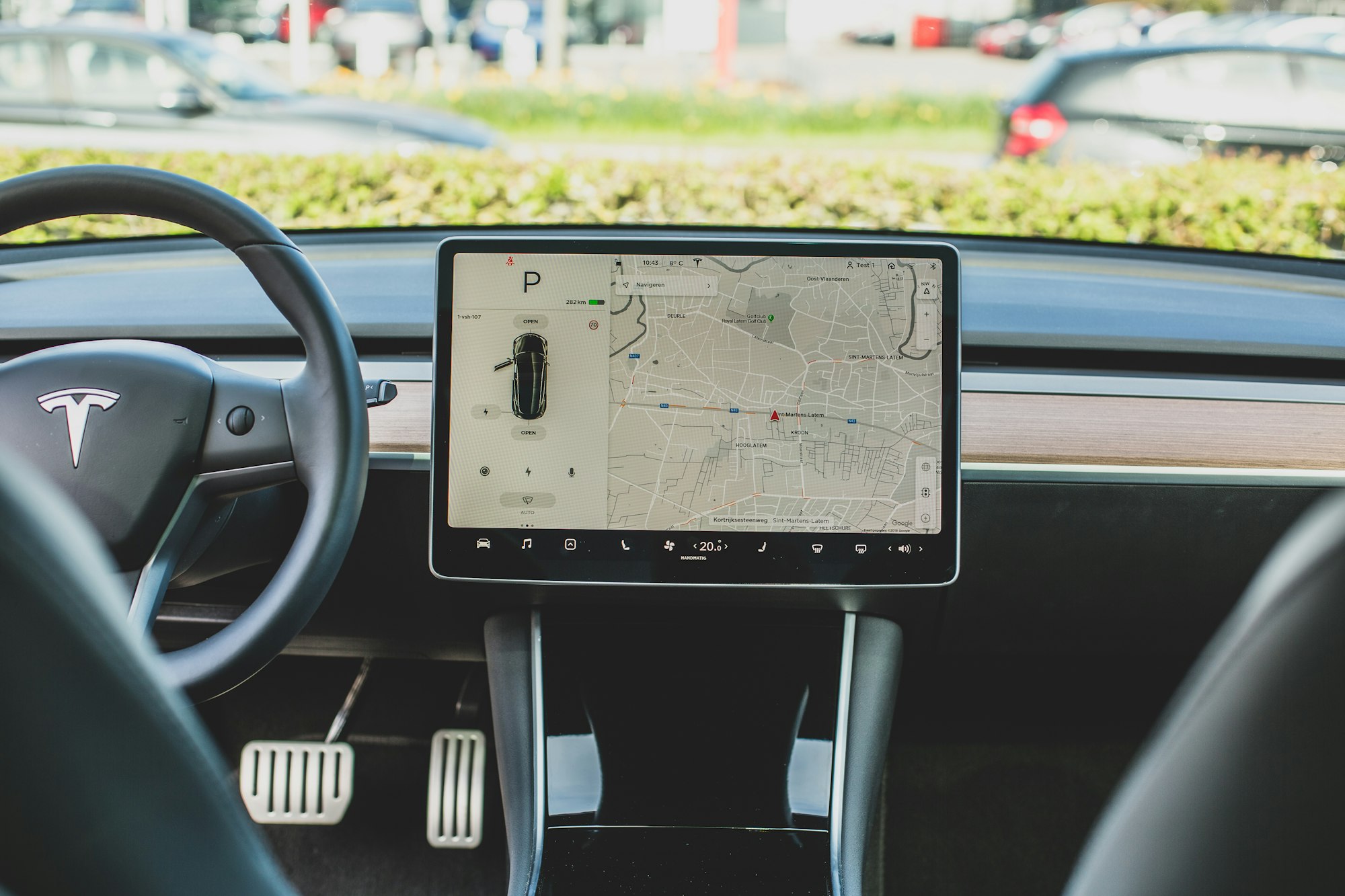
For drivers, this could make noticeable differences in the driving experience, with cars feeling even more like smartphones than machines. There will also be faster feature rollouts via over-the-air updates, potentially bringing a more integrated in-car experience, especially for voice assistants.
For carmakers, Google says this can help by “significantly reducing development costs and time to market.” This could give carmakers more time to focus on crafting their unique image and branding instead of worrying about the underlying infrastructure.
But despite these potential benefits, carmakers are still cautious and protective of the software running inside their vehicles. This attitude makes sense because, in the modern car era, a vehicle’s software can make or break the customer experience, and it increasingly controls valuable vehicle data. Safety systems are also extremely sensitive to software changes, which explains why Google is avoiding safety-critical controls.
This move indicates Google has its eyes on making Android a major software platform for cars, but competitors are unlikely to allow Google to reach that position without a fight, especially Apple. Apple has recently been expanding its CarPlay Ultra into deeper car functions, directly rivaling Google’s vision of embedding Android more deeply into modern car architectures.
To help deploy this new platform, Google says it will partner with companies like Renault to ensure the “production readiness of the AAOS SDV platform,” and Qualcomm to help scale the Android Automotive OS SDV platform.
 Ogbonda Chivumnovu