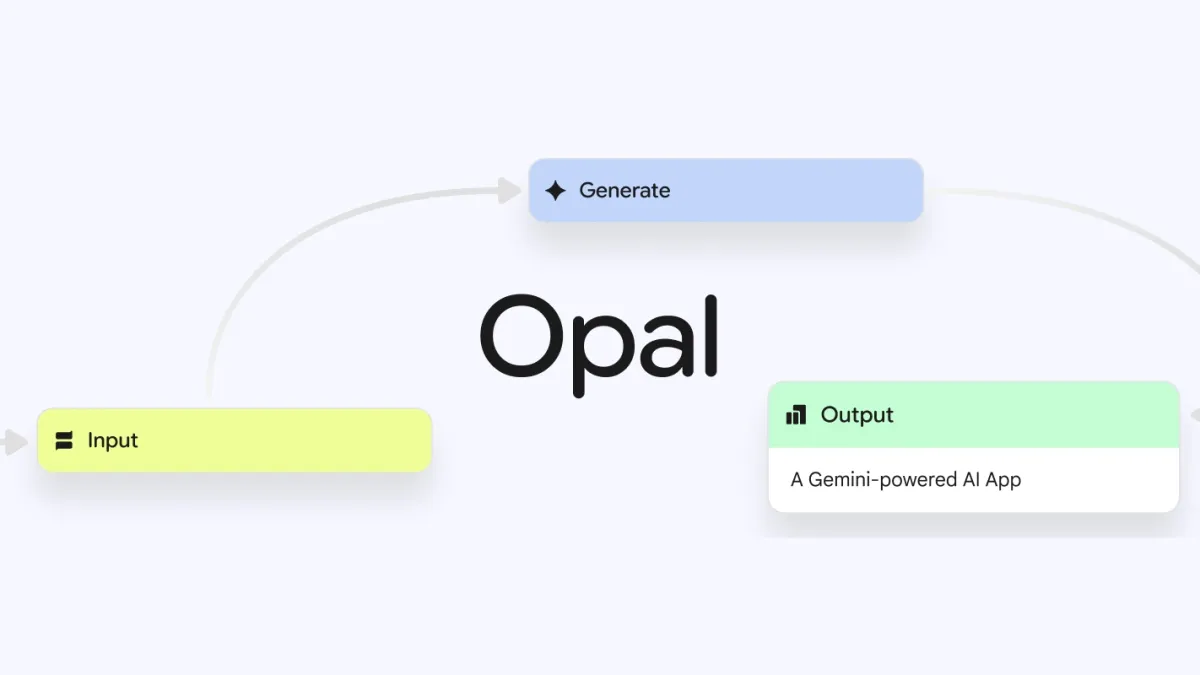
Google has officially integrated Opal, its experimental vibe coding tool, directly into the Gemini web app. The move quietly but fundamentally changes what Gemini is. It's no longer just a place to ask questions or generate text. It's now a tool for building working software.
With Opal built in, users can create small web apps, called Gems, simply by describing what they want in plain English. There's no coding required. Instead of writing logic or designing interfaces by hand, users explain the outcome they want and let Gemini handle the rest.
This is where vibe coding comes in. Rather than focusing on syntax or programming rules, vibe coding shifts software creation toward intent. You describe behavior, purpose, or flow, and the system translates that into a working application. While products like Cursor or Lovable are aimed at developers and technical teams, Opal inside Gemini is designed for everyday users. Google takes care of hosting, deployment, and infrastructure automatically in the cloud.
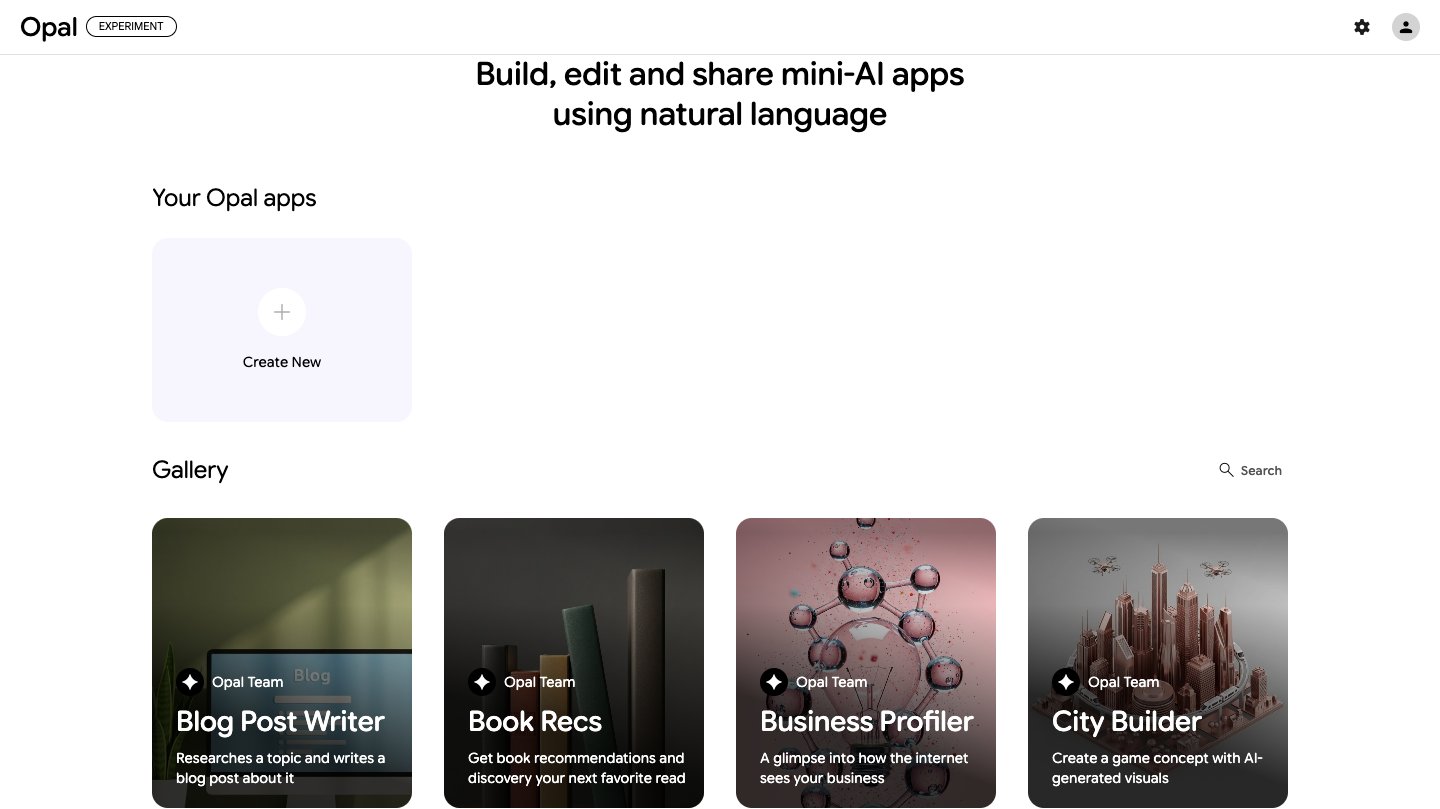
The workflow in Opal seems intentionally simple. It starts with a prompt. You might type something like, “Create a stock portfolio tracker that pulls real-time prices.” Opal then generates both the backend logic and a visual interface. Unlike traditional AI tools that return code snippets, Opal produces a live, interactive web app. From there, refinement happens either visually or conversationally. You can adjust steps in a visual editor or ask Gemini to make changes, such as changing colors or adding new data fields.
For non-technical users, the usefulness is immediate. A freelance trader can spin up a custom crypto price tracker in minutes. A home cook can build a daily recipe tool that avoids specific allergens. These are not mockups or demos. They are deployed apps that work in a browser.
Right now, Opal is available as a Google Labs experiment on the Gemini web app in more than 160 countries. Google is also letting users remix existing Gems, which means starting from a prebuilt app and customizing it instead of building from scratch. That lowers the barrier even further and speeds up experimentation.
Taken together, this integration shows where Google wants Gemini to go. Not just as an assistant that answers questions, but as a layer that helps people create tools for themselves. If vibe coding takes off at this scale, building simple software may no longer be something you learn. It may be something you describe.
 Emmanuel Oyedeji