If you've ever paused a movie just to dig through your TV's settings menu because the dialogue is barely audible, Google just solved your problem. At CES 2026 today, the company announced new Gemini features for Google TV that let you adjust settings, search photos, and learn new things—all using plain language voice commands.
The announcement positions Google TV as more than a streaming box. It's betting on TVs becoming AI workstations for your living room.
 Damilare Odedina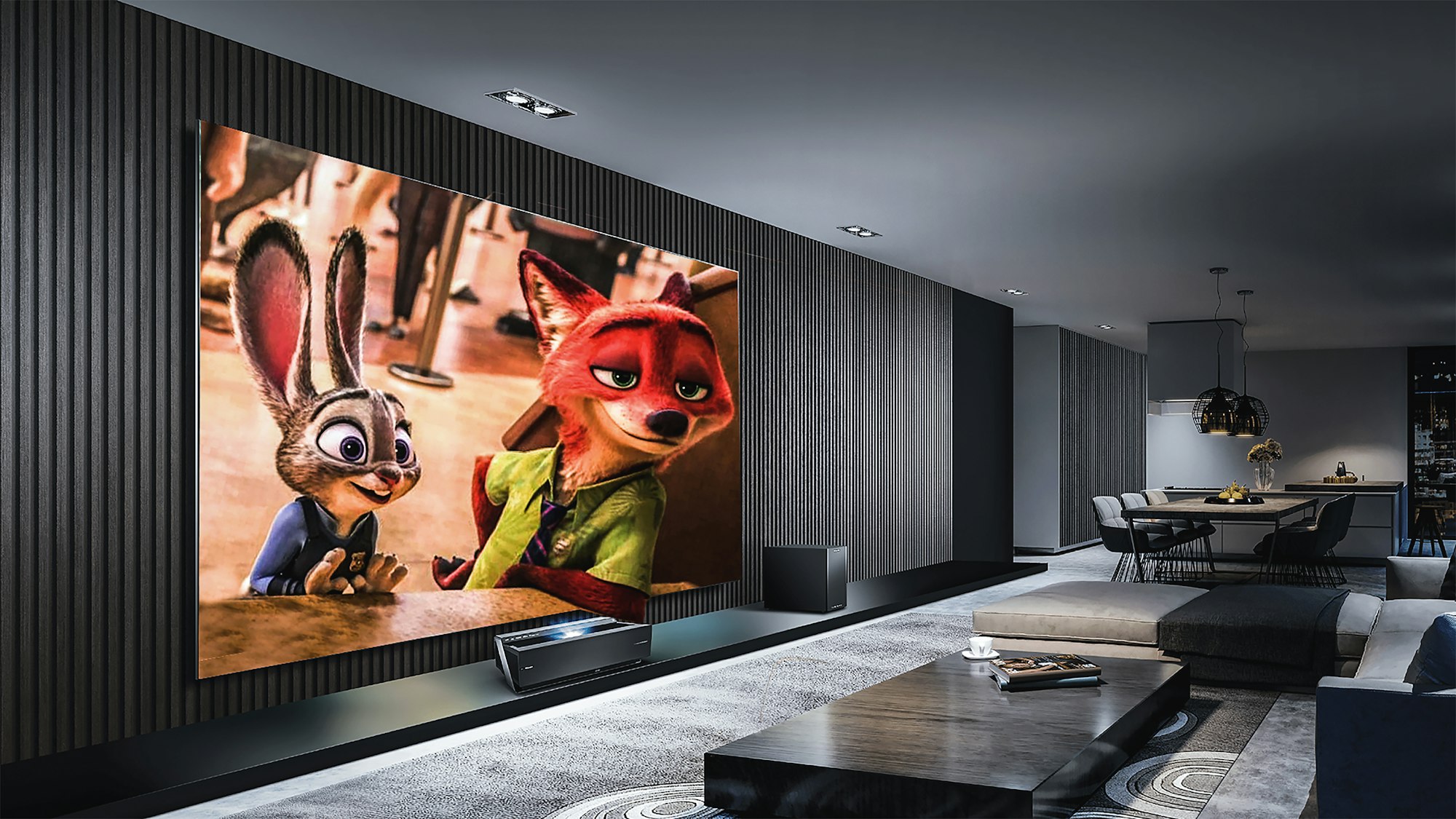
Four features Google is rolling out
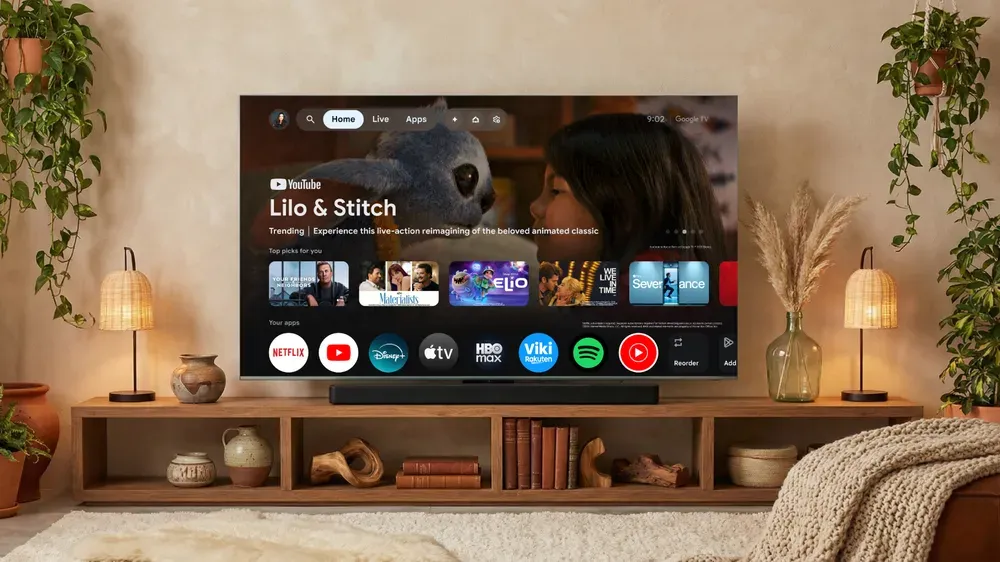
Google's new Gemini integration centers on four capabilities optimized for large screens. First up: voice-powered settings control. You can now tell your TV things like "the screen is too dim" or "the dialogue is lost," and Gemini adjusts brightness or audio without leaving your show. Google calls it a way to "skip complicated settings menus by using natural language to optimize your settings."
The second feature brings Google Photos to your TV in a more interactive way. Gemini lets you search conversationally—"show photos of Maya's graduation" or "our beach trips from 2019"—and apply artistic styles like Watercolor or Art Deco through Photos Remix. You can also turn memories into cinematic slideshows or use Google's Nano Banana and Veo models to generate AI images and videos directly on screen.
For education, Gemini introduces "Deep dives" that provide narrated, interactive overviews simplified for families when asking about complex topics. Think of it as transforming your TV into a learning tool rather than just an entertainment hub.
Finally, search responses get a visual upgrade. A new framework adapts Gemini's responses with imagery, videos, and real-time sports updates instead of text-heavy walls that don't work well on TVs.
How Google stacks up against Samsung and LG
The timing puts Google in direct competition with Samsung and LG, both doubling down on AI at this year's CES. Samsung’s Vision AI Companion now serves over 430 million SmartThings users globally, integrating Bixby voice control, Perplexity’s AI assistant, and Microsoft Copilot across its 2026 TV lineup. The company also announced AI Soccer Mode Pro for sports fans ahead of FIFA World Cup 2026.
LG, meanwhile, focuses less on AI assistants and more on display innovation with its micro RGB LCD technology and premium OLED panels. It’s a hardware-first approach versus Google and Samsung’s software-heavy strategies.
What sets Google apart is ecosystem depth. The features arriving first on select TCL televisions (requiring Android TV OS 14+) tap into Google Photos, Search, and generative AI capabilities that Samsung and LG can’t match without relying on third-party services.
The real question? Whether voice control works reliably enough to replace your remote. If it does, this could genuinely change how we interact with TVs. If not, it’s just another AI feature to ignore.
 Louis Eriakha