For many emerging markets, the shift to electric mobility is not constrained by demand—but by infrastructure. Charging networks remain uneven, power supply can be unreliable, and cost sensitivity continues to shape consumer decisions.
In Yibin, a manufacturing city in southwest China, KAIYI Auto is betting that the path forward is not a single technology, but a flexible system. Over two days, during a media program attended by international journalists, the company presented a model of global expansion built on adaptable powertrains, scalable manufacturing, and market-specific engineering.
The message is clear: the future of automotive globalization may depend less on exporting finished vehicles, and more on delivering technology platforms designed for different levels of readiness.
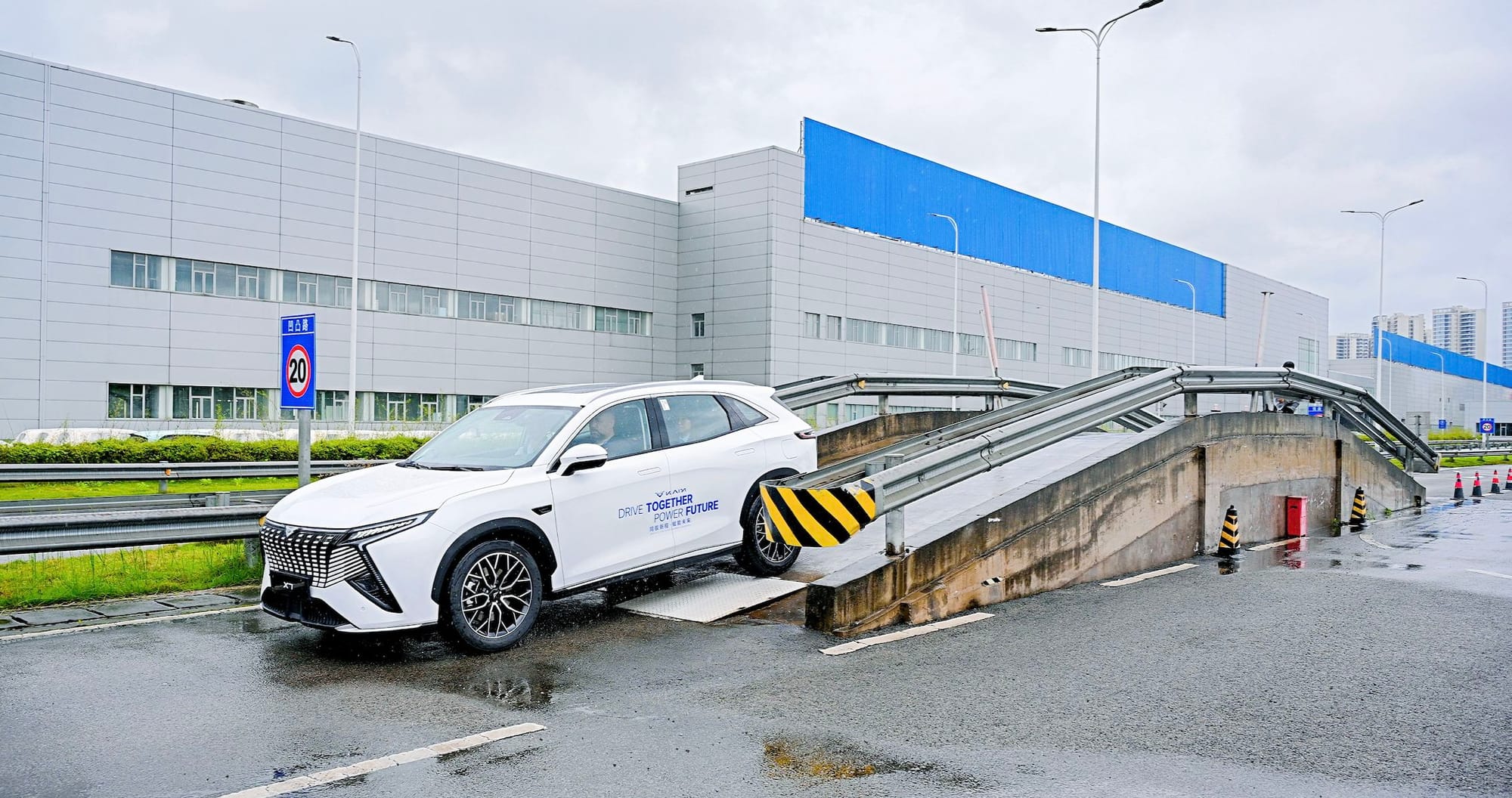
Hybrid vs. Combustion: A Practical Comparison
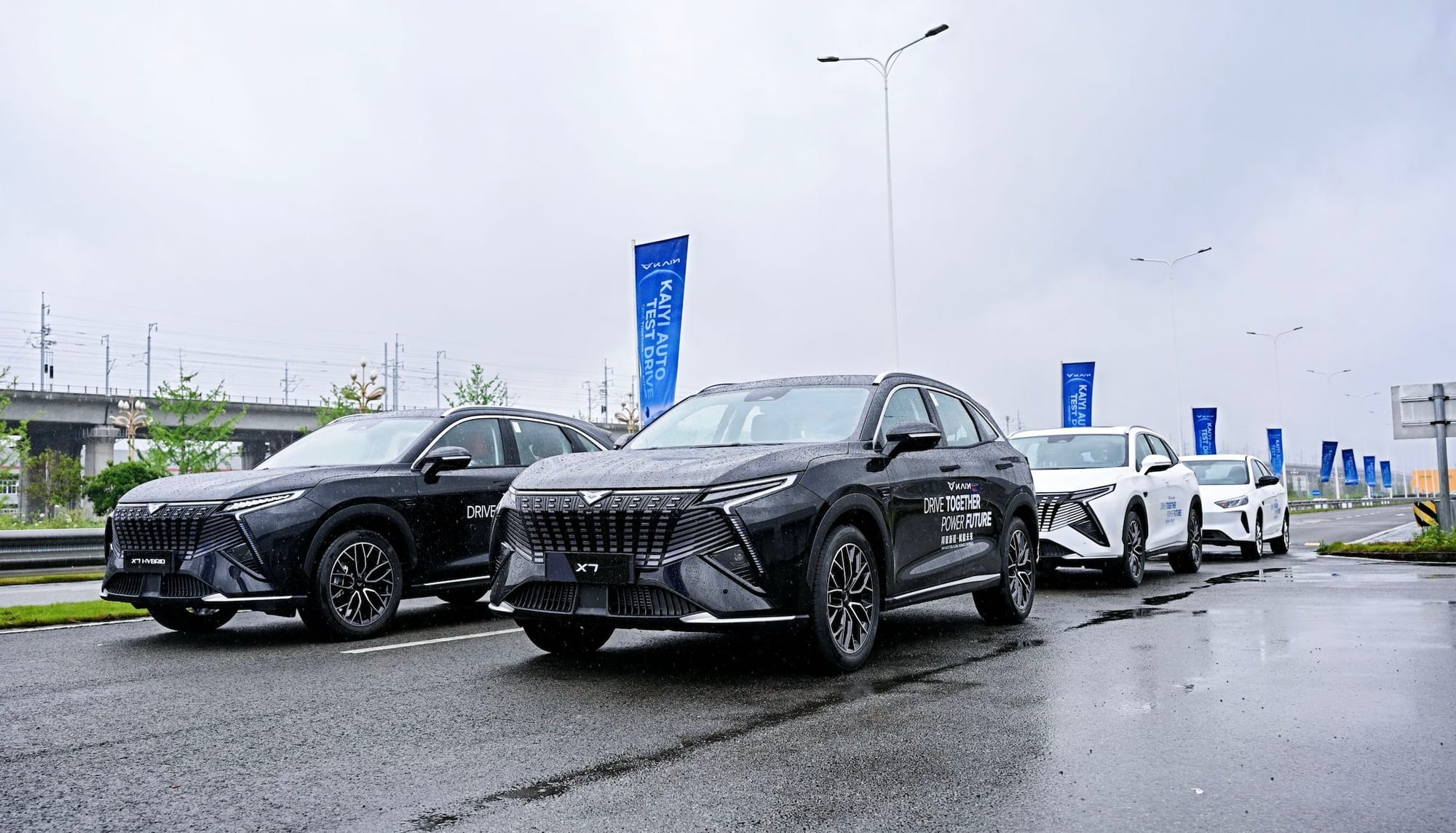
At the center of the experience were two versions of the same platform: the X7 Hybrid and the X7 internal combustion engine (ICE) model.
Testing both vehicles back-to-back on public roads provided a direct comparison—not just between two products, but between two technological approaches.
The X7 ICE represents a familiar baseline. Its performance is predictable, with linear power delivery and behavior consistent with traditional combustion vehicles. For many markets, particularly where fuel infrastructure is well established, this remains the most accessible and serviceable option.
The X7 Hybrid, however, introduces a layer of optimization without fundamentally changing the driving experience.
During urban driving, the hybrid system operated seamlessly, especially in low-speed and stop-and-go conditions. The transition between electric assistance and combustion power was largely imperceptible, with the system prioritizing efficiency and smoothness over performance output.
The difference becomes most evident not in acceleration, but in operational logic:
- Reduced fuel consumption in dense traffic
- Lower engine load during frequent stops
- Improved overall efficiency without requiring charging infrastructure
This positions the hybrid system as a practical upgrade, rather than a disruptive shift—an important distinction in markets where users are less inclined to adopt entirely new usage patterns.
Technology Framed Around Usability
A key takeaway from the test-driving experience is how technology is being positioned.
Rather than emphasizing headline specifications—such as horsepower or peak efficiency—KAIYI’s approach centers on how systems perform in real-world conditions.
This includes:
- The ability of hybrid systems to optimize fuel use automatically
- Consistency of vehicle behavior across varying road conditions
- Accessibility of in-vehicle interfaces for first-time users
The smart cockpit, present across both models, reflects this philosophy. The interface is functional and straightforward, prioritizing clarity over feature density. Driver-assistance systems are integrated, but calibrated for mixed traffic environments, where road conditions and driving behavior can be less predictable.
This shift toward usability is particularly relevant in emerging markets, where the success of technology often depends on ease of adoption rather than technical complexity.
Manufacturing: Standardization at Scale
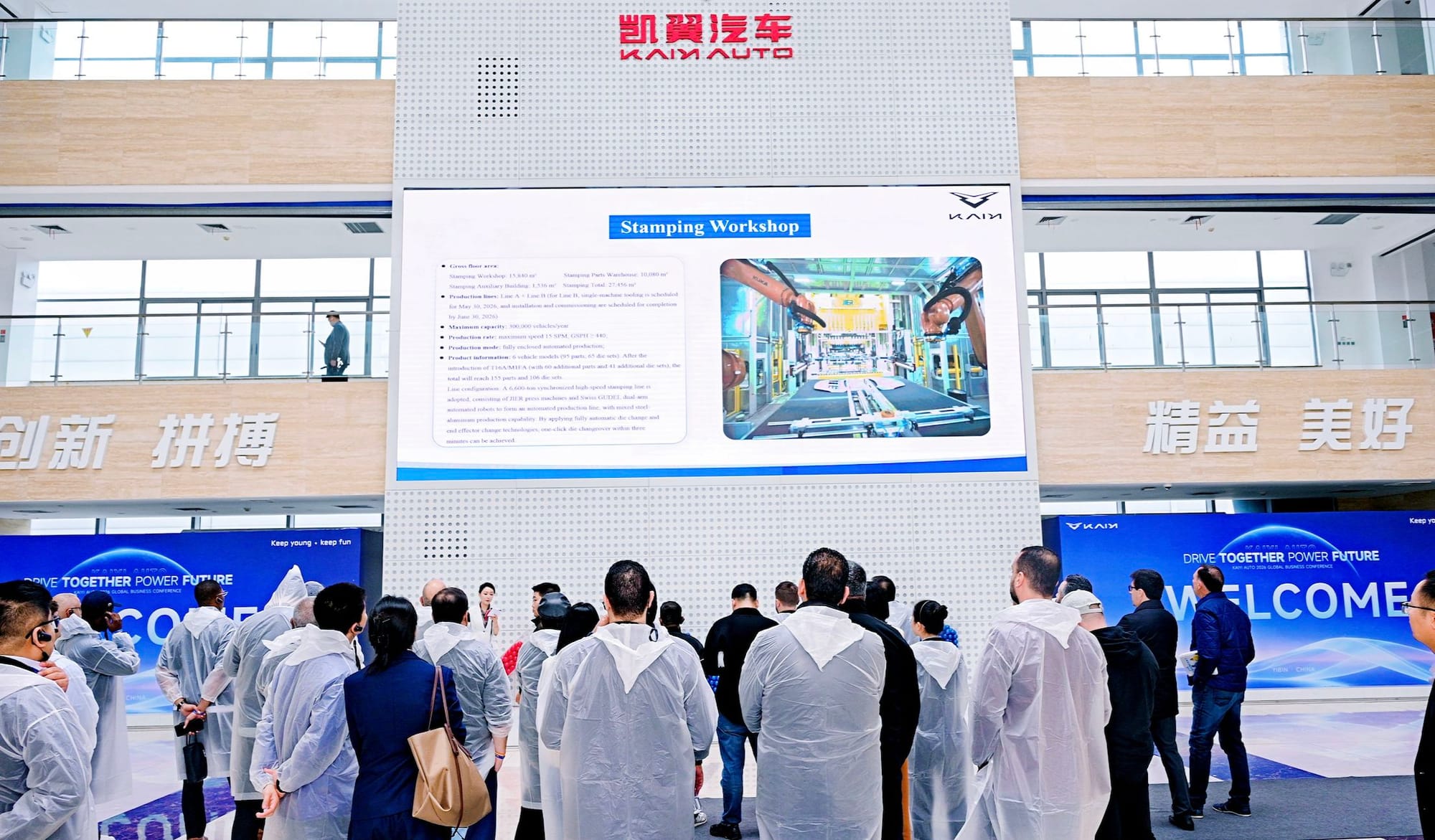
The second day of the visit shifted focus from product experience to production capability, with a tour of KAIYI’s smart manufacturing facility in Yibin.
According to the company, the plant is built in line with international production standards, integrating four core processes: stamping, welding, painting, and final assembly—each upgraded through intelligent manufacturing systems.
Automation is most visible in the welding and assembly workshops, where robotic systems handle high-precision operations. The stamping and painting lines are similarly structured for consistency, supporting uniform output across large volumes.
KAIYI describes the facility as a “smart factory”, where digitalized processes are applied across the production chain to improve efficiency and quality control. The plant has an annual production capacity of 200,000 vehicles, positioning it to support both domestic demand and international expansion.
While the company did not detail specific platform architectures during the tour, the manufacturing setup reflects a broader industry direction in China: aligning production systems with global standards while maintaining the ability to scale efficiently.
In the context of emerging markets, this level of standardization plays a critical role. Beyond product features, consistency in manufacturing quality remains a key factor in building long-term credibility in overseas markets.
Adapting to Market Realities
The strategic focus on emerging markets runs throughout KAIYI’s positioning.
Regions across Africa, the Middle East, and Southeast Asia present a complex set of requirements:
Established fuel infrastructure, but limited EV charging networks
Strong sensitivity to both upfront cost and long-term operating expenses
Diverse road conditions requiring durability
Growing demand for modern features, but within practical limits
In this context, the coexistence of ICE and hybrid models is not transitional—it is intentional.
The X7 ICE continues to serve as a reliable, cost-effective solution, while the X7 Hybrid introduces efficiency gains without introducing new dependencies. Together, they form a layered product strategy, allowing different markets—and even different customer segments within the same market—to adopt technology at their own pace.
Looking Ahead: A Platform for Scalable Mobility
What emerges from Yibin is a model of automotive expansion built less on a single technological bet, and more on adaptability.
KAIYI’s approach brings together multiple elements—internal combustion and hybrid powertrains, standardized manufacturing systems, and market-specific product strategies—into a framework that can be deployed across regions with varying levels of infrastructure readiness.
For emerging markets, this offers a more practical pathway toward modernization. Rather than requiring immediate shifts to fully electric systems, it allows for gradual adoption, where efficiency gains and new technologies are introduced without disrupting existing usage patterns.
At the same time, the emphasis on manufacturing consistency and distribution networks suggests a longer-term ambition: building not just market presence, but operational credibility.
As global demand continues to diversify, the competitive landscape may increasingly favor companies that can align technology with real-world conditions at scale. In that context, the approach demonstrated in Yibin points to a broader shift—one where mobility is no longer defined by a single product, but by the flexibility of the system behind it.